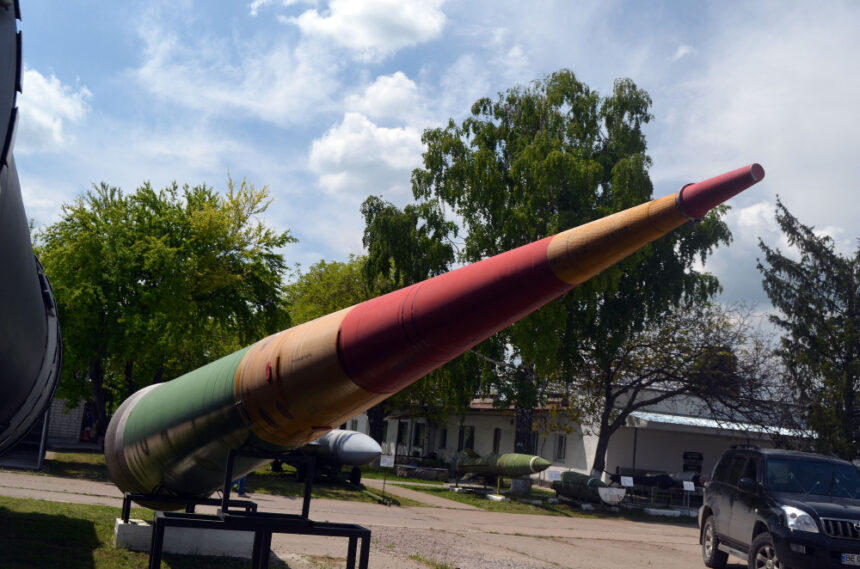
The Navy has awarded Raytheon a five year contract worth up to $24.4 billion to accelerate production of the Standard Missile 6, announced Thursday.
What is the weapon?
An extended range air defence missile with a published range of 370 kilometres, which can also be used against ballistic missiles and surface targets. That multi role capability is why it features heavily in naval planning. A single munition covering air defence, missile defence and offensive strike reduces how many different weapons a ship must carry in a finite number of launch cells.
What does up to mean?
That the figure is a ceiling rather than a commitment. Contracts of this structure set a maximum value across the period, with actual spending determined by orders placed year to year. The $24.4 billion is what could be spent, not what will be, and the distinction matters in any coverage describing it as the size of a deal.
Why accelerate production now?
Stockpiles, most plausibly, though the announcement does not say. Interceptor inventories across the US military have drawn down considerably through recent operations in the Middle East and Red Sea, where ships have expended advanced missiles against far cheaper incoming threats. That exchange ratio, spending a multi million dollar interceptor to destroy a drone costing a fraction of it, has been a stated concern for several years.
What did officials say?
The chief of naval operations framed combat credibility as depending on having enough weapons produced at the speed and scale the fleet requires. An acquisition official said the aim is ensuring forces never enter a fair fight. The manufacturer said the order significantly increases availability of a munition capable of both offensive strikes and missile defence and ensures consistent supply.
What is missing from that?
Anything from outside the transaction. The only voices are the buyer and the seller, which is normal for a contract announcement and is also why it should not be read as an assessment. No independent analysis of whether the production rate is achievable, what the unit cost is, or how the SM-6 missile contract compares with alternatives appears in the available account.
Can production actually scale?
The harder question. Missile manufacturing is constrained by specialised components, solid rocket motor capacity and workforce rather than by order volume, and those bottlenecks have limited output across the defence industry regardless of funding. A contract authorising more purchases does not by itself create the capacity to build them.
Who else buys this?
Allied navies, including Australia, which has previously committed to purchasing US missiles including this type. Export demand competes with domestic orders for the same production line, which is part of why capacity rather than money is the binding constraint.
What should be watched?
Delivery rates. The measure of whether the SM-6 missile contract achieves its stated purpose is units produced per year, not dollars authorised, and that figure will emerge through budget documents rather than announcements.