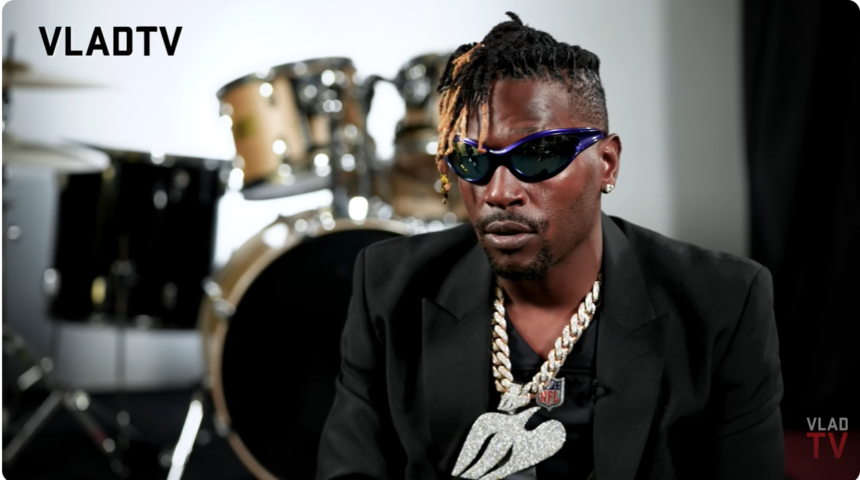
Antonio Brown will accept a plea deal in his attempted murder case, pleading to a reduced charge of aggravated assault and receiving probation instead of prison, his attorney Mark Eiglarsh said Wednesday. The former Pittsburgh Steelers star, 38, had faced up to 30 years in prison if convicted, including a 20-year mandatory minimum under Florida law.
Brown is expected to appear Sept. 30 in a Miami-Dade courtroom to formally accept the deal. It is not final until a judge approves it.
What is in the Antonio Brown plea deal?
Almost nothing beyond probation, according to his lawyer. Eiglarsh said there will be no prison, jail or house arrest. He said the deal does not require drug or alcohol evaluations, a psychological evaluation, an apology letter, community service or fines. The only condition he described is that Brown must stay away from the alleged victim.
Eiglarsh said the plea is not an admission. He said Brown still believes he acted lawfully and would have won at trial, but that the family could not afford to spend another year or more with an ankle monitor fighting the case.
Why did prosecutors offer Antonio Brown this deal?
The case lost its key witness. On Sept. 9, the alleged victim, Zul-Qarnain Kwame Nantambu, said through his attorney that he would not take part in the prosecution. His lawyer, Richard L. Cooper, said Nantambu had forgiven Brown.
Cooper told ESPN on Wednesday that he believes the deal serves justice and that his client wishes Brown well. Prosecutors could have tried the case using video and other witnesses, but they chose not to.
What happened the night of the shooting?
It depends on who is telling it. The incident happened May 16, 2025, outside a boxing event in Miami’s Little Haiti neighborhood. Police said Brown punched Nantambu and, with two other men, kept attacking him. According to police, Nantambu walked away. A prosecutor said Brown chased him with a gun and fired at close range. Police said a social media video showed Brown holding a gun before two shots were fired. Nantambu told investigators one bullet grazed his neck.
Brown’s defense told a different story. His Stand Your Ground motion said he was trying to reach his car after Nantambu attacked him, believed Nantambu was armed and fired two warning shots aimed away from him. The motion also said Nantambu took the gun after a struggle.
How does this compare to Antonio Brown’s past cases?
This is the part most coverage misses. In 2020, Brown pleaded no contest in Broward County to charges from a confrontation with a moving truck driver. That deal required two years of probation, 100 hours of community service, a 13 week anger management program and a psychological evaluation.
That case involved a scuffle. This one involved gunfire. Yet based on his attorney’s description, this deal asks for less.
Florida’s Stand Your Ground law also carries weight in our community. It became a national flashpoint after the killing of Trayvon Martin in 2012. Brown built his defense around that law, but now it will not be tested in court.
The shooting happened just a short drive from Liberty City, where Brown grew up and played football at Miami Norland Senior High.
What happens next for Antonio Brown?
The judge decides on Sept. 30. After the shooting, Brown spent nearly six months in Dubai before U.S. marshals brought him back. He pleaded not guilty in November 2025 and was released on $25,000 bail with a GPS ankle monitor.
Brown played 12 NFL seasons, earned All Pro honors and spent most of his career in Pittsburgh before his final season with Tampa Bay in 2021. Whether the ankle monitor comes off next week depends on the judge.