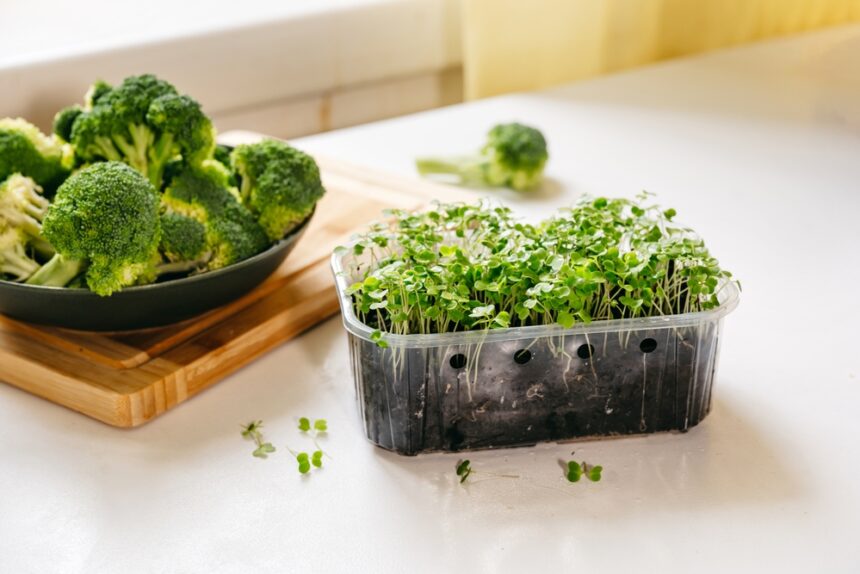
Broccoli sprouts from Evergreen Fresh Sprouts LLC have been linked to a Salmonella outbreak affecting 22 people across four states, federal regulators said on Sept. 9, as the company recalled the products following a positive test from a sample collected in Montana.
The FDA said investigations identified Evergreen Fresh Sprouts as the grower of the broccoli sprouts consumed by patients who fell ill. Of the 19 people interviewed, all reported eating sprouts and all but two specified the broccoli variety.
They were sold to co-ops, restaurants, grocery stores and customers in Idaho, Montana and Washington, distributed in plastic bags or clamshell containers with expiration dates of Sept. 7, Sept. 9, Sept. 11, Sept. 14 or Sept. 16.
What to do
The Centers for Disease Control and Prevention said businesses and consumers who have the product should not consume it. They can discard it or return it to the place of purchase.
Anyone who ate the product and developed symptoms of Salmonella infection, including diarrhea, fever, stomach cramps or nausea, should contact a healthcare provider. Symptoms typically begin six hours to six days after exposure and most people recover without treatment within four to seven days. People with severe illness, those who are pregnant, elderly, very young or immunocompromised are at higher risk for complications and should seek medical attention promptly.
The outbreak
The 22 confirmed infections span four states. The FDA said this is its first public comment on the outbreak. The company was not immediately available for comment.
The sprout and Salmonella connection
This product category has been associated with bacterial outbreaks repeatedly over the years, particularly Salmonella. The conditions required to grow them, warm and humid with abundant moisture, are also conditions that allow bacteria to thrive if seeds are contaminated at the source. Cooking them kills the bacteria, but most consumption is raw.
The FDA has previously issued guidance advising that people at higher risk for complications, including older adults, pregnant women, young children and people with weakened immune systems, consider avoiding them raw altogether.
Identifying the recalled product
Consumers should look for the product in plastic bags or clamshell containers with expiration dates of Sept. 7, Sept. 9, Sept. 11, Sept. 14 or Sept. 16, sold at co-ops, restaurants and grocery stores in those three states.