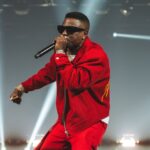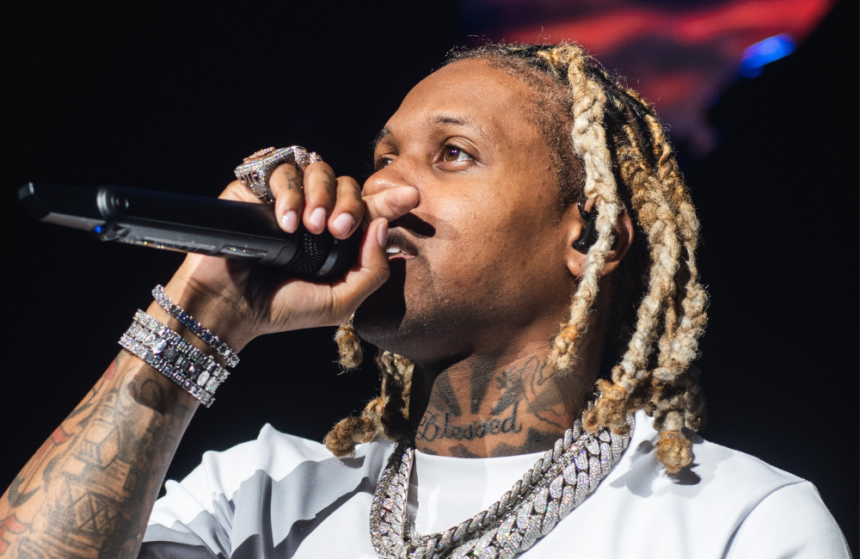
Closing arguments are set to begin Tuesday, September 8, with jury deliberations expected to start the following day, according to court proceedings in Los Angeles. The Chicago rapper, whose legal name is Durk Banks, faces up to life in prison alongside two codefendants over a 2022 shooting that prosecutors say was meant to target Georgia rapper Quando Rondo and instead killed his cousin, Saviay’a Robinson. After roughly two weeks of testimony, both sides rested their case without a single word from any of the three defendants themselves.
Why didn’t Durk testify in his own defense?
He chose not to, and so did his two codefendants, Deandre Wilson and David Lindsey. Declining to testify is a common and legally protected decision, but in a trial this closely watched, the choice still carries weight with jurors who never get to hear directly from the people at the center of the case. Durk’s legal team instead leaned on character witnesses, including a member of his Neighborhood Heroes nonprofit and his sound engineer, to paint a picture of the rapper as someone with real community ties rather than the figure prosecutors described.
What is the government actually trying to prove?
Five specific charges, each requiring its own separate finding. Jurors will be asked to weigh conspiracy to commit stalking, stalking Quando Rondo with a dangerous weapon, stalking that resulted in Robinson’s death, and two related murder for hire charges tied to the use of interstate commerce. For the counts involving Robinson, jurors must also decide separately whether the alleged conduct actually caused his death, a finding that could affect sentencing.
How complicated are the jury instructions in this case?
More complicated than a typical trial, largely because of how many legal theories overlap. The presiding judge worked through language covering aiding and abetting liability, making clear that simply being present or loosely associated with a crime is not enough to convict, prosecutors would have to show a defendant knowingly and intentionally participated. A separate legal principle called Pinkerton liability, which can hold conspirators responsible for crimes committed by other members of the same conspiracy, became a specific point of dispute, with the defense pushing to limit exactly how far that theory could be applied to the murder for hire charge.
What role has the alleged bounty played in the case?
A contested one. Prosecutors have suggested Durk offered payment before the shooting occurred, though no direct evidence of a payment was shown in court. A cooperating witness testified he received $10,000 to record a song for Durk’s album and said he did not believe he would have been featured on the project without his role in the killing. The defense pushed back hard on that framing throughout, arguing instead that a different associate, who has already pleaded guilty and became a cooperating witness, was the true architect behind the plot and later shifted blame onto Durk.
How has the trial spilled into hip hop culture outside the courtroom?
Significantly. Rapper 6ix9ine has repeatedly needled Durk throughout the case, going as far as promising a celebratory event if Durk is convicted, while commentator DJ Akademiks streamed trial coverage dressed in a full judicial robe and wig despite never actually attending the proceedings. Durk’s legal team has also pushed to introduce a separate clip from an Akademiks interview showing the rapper downplaying online pressure to seek revenge for the death of his mentor, King Von, arguing it undercuts the government’s core theory that public taunting pushed him toward violence.
With closing arguments now just days away, the jury is left to weigh a case built almost entirely on testimony from cooperating witnesses, technical legal theories most jurors have never encountered before, and a defendant who never took the stand to explain his side.