At least 72 people have died following an unprecedented mass crossing into the Spanish exclave of Ceuta last week, Spanish authorities confirmed on Sunday, as five more bodies were found washed ashore and more than 1,000 people required medical treatment during the crisis.
A Spanish government representative in Ceuta provided the updated death toll on Aug. 2, saying the situation had improved substantially but that more work remained before Ceuta could return to normal. Authorities said people died in multiple ways, including drowning while attempting to swim to shore and being crushed during chaotic attempts to scale the breakwater and border fence that defines the perimeter of the territory.
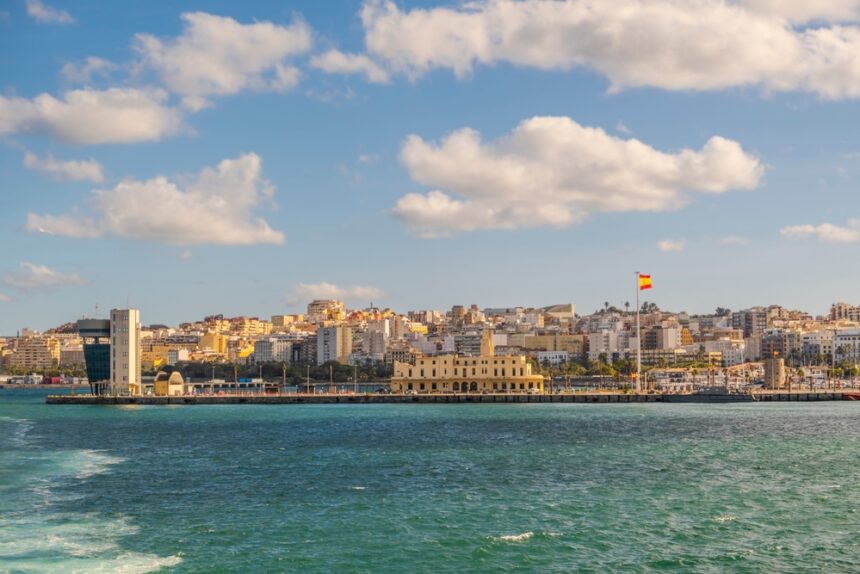
The scale of the incident set it apart from anything Ceuta had previously experienced. The exclave is home to roughly 85,000 residents and sits on the northern tip of Africa, separated from the Spanish mainland by the Strait of Gibraltar. Along with Melilla, it forms the European Union’s only land borders with the African continent, giving it an outsized significance in European migration policy.
A crossing that overwhelmed the territory
The surge began on July 30, when Spanish authorities said more than 50,000 people entered Ceuta by land and sea in a single day, a figure so large it represented a majority of the exclave’s entire permanent population. The numbers strained every aspect of the territory’s capacity, from border enforcement and medical services to temporary shelter and food distribution.
The crossings involved people entering the sea and attempting to swim around the seawall, as well as organized attempts to breach or climb the border fence. The fence has been reinforced over the years as crossings increased. Spanish authorities and emergency personnel responded in large numbers, but the scope of the event outpaced the available response capacity in the critical early hours.
A discrepancy in the death toll
The figures released by Spanish authorities did not match those provided by Morocco’s Interior Ministry, which said on Sunday that 11 people had died, mostly from drowning, and that it was still verifying reports of additional deaths on the Spanish side of the border. The gap between the two governments’ figures is significant, though such discrepancies are common in the immediate aftermath of large-scale incidents where information is still being compiled from multiple agencies across different jurisdictions.
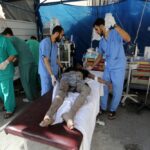
Spanish authorities said the toll of at least 72 came from bodies found across the area, including those washed ashore in the days following the initial Ceuta surge. The medical treatment of more than 1,000 people suggests that serious injuries and near-drownings far exceeded the reported fatalities.
What comes next for Ceuta
The Spanish government in Ceuta faces both an immediate humanitarian situation and a longer-term policy question about how to respond. Spanish law and European Union migration policy govern the handling of people who have entered the territory, including processes for asylum claims and, for those not eligible to remain, eventual return or deportation.
Ceuta and Melilla have historically been focal points for migration attempts from sub-Saharan Africa and North Africa into the European Union. Morocco has at various points cooperated with Spain on border enforcement and at other times allowed or enabled crossings, often in the context of broader diplomatic disputes between the two countries. The circumstances that led to the July 30 surge, including whether Moroccan border forces were actively preventing or facilitating the crossing, are likely to be part of any political reckoning with the event.
The Spanish government said as of Aug. 2 that the situation was stabilizing. However, the scale of the event and the mortality it produced will make it a significant moment in the ongoing European debate over migration policy for some time to come.