United States forces launched a new wave of strikes against Iranian military targets on Wednesday morning, continuing a five-day campaign focused on degrading Iran’s ability to threaten commercial shipping through the Strait of Hormuz as the conflict between the two countries showed no sign of de-escalation.
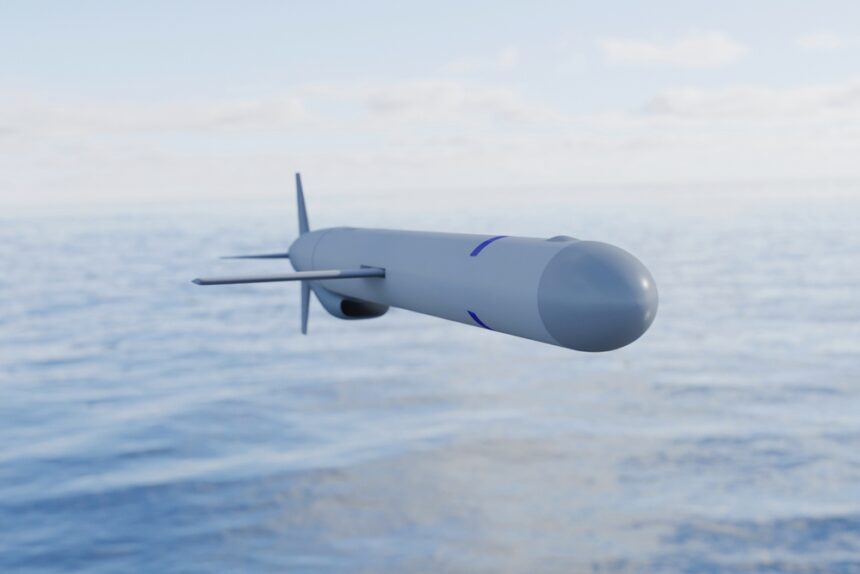
US Central Command confirmed that the operation began at 6 a.m. Eastern Time on July 15 and concluded approximately 90 minutes later. The strikes targeted coastal defense systems as well as cruise missile storage and launch sites located on Greater Tunb Island, a strategically positioned Iranian-controlled island near the entrance to the Strait of Hormuz. The operation was described as designed to further degrade the military capabilities that Iranian forces have been using to attack vessels transiting the waterway.
Five days of consecutive operations
The strikes mark the fifth straight day of American military action against Iranian targets, representing a sustained operational tempo that indicates the United States has transitioned from reactive responses to a deliberate campaign intended to systematically reduce Iran’s ability to control or threaten access to the strait.
The military action coincides with the resumption of a US naval blockade of Iranian ports and coastal areas that was reinstated after Iran attacked commercial vessels and attempted to exercise tighter control over shipping routes through Hormuz. The blockade, which targets Iranian ships and cargo while ostensibly leaving passage open to all other commercial vessels, is functioning alongside the air and missile strikes as part of a coordinated pressure campaign.
The strategic significance of Greater Tunb Island
Greater Tunb Island’s location near the entrance to the Strait of Hormuz makes it particularly significant in the current conflict. Military assets positioned there can be used to monitor, threaten, or directly attack vessels attempting to transit the strait, which is the world’s most important chokepoint for energy shipments, carrying a substantial share of global crude oil and liquefied natural gas exports.
Cruise missile storage and launch sites on the island represent a direct offensive capability that can reach vessels in the strait without requiring aircraft or ships to be exposed in the open water. Coastal defense systems on the same island can protect those offensive capabilities from being neutralized. The combined nature of Wednesday’s strike package, targeting both types of assets together, reflects an attempt to reduce both Iran’s offensive reach and its ability to protect the infrastructure enabling it.
The context of a collapsed ceasefire
The renewed military pressure follows the breakdown of a memorandum of understanding signed last month that had temporarily ended hostilities between the United States and Iran and reopened the strait to commercial shipping. That agreement was supposed to create a 60-day window for negotiations toward a more permanent arrangement covering Iran’s nuclear program and regional security.
Instead, a series of escalating incidents, including Iranian drone strikes on commercial vessels, attacks on the US-supported southern shipping corridor through Omani waters, and a resumption of American military action in response, effectively terminated the ceasefire in practical terms before any formal declaration of its collapse.
The oil market has already responded to the renewed military activity, with crude prices rising sharply earlier in the week as traders priced in the risk of a prolonged disruption to shipping through one of the world’s most critical energy arteries. The trajectory of the conflict in the coming days will determine whether those price pressures intensify or whether any diplomatic opening emerges to pause the military exchanges.