President Trump publicly defended the use of traffic stops by Immigration and Customs Enforcement agents as a critical deportation tool on Wednesday, pushing back against any internal reconsideration of the practice after a series of fatal encounters involving immigration officers in multiple states.
In a post made July 15, Trump praised ICE agents and urged the agency to continue using vehicle stops as a primary enforcement mechanism, characterizing them as one of the agency’s most important and effective tools for removing criminals from the country. He said abandoning the tactic would play into the hands of those the agency is trying to apprehend.
The incidents behind the review
Trump’s comments were directed at an ongoing internal review of vehicle-stop procedures following deadly incidents involving ICE agents in Maine, Texas, and Florida. The most recent involved a fatal shooting in Maine of a Colombian national who was in the country illegally, an episode that drew significant public attention and contributed to the broader examination of how traffic enforcement operations are being conducted and what happens when they escalate.
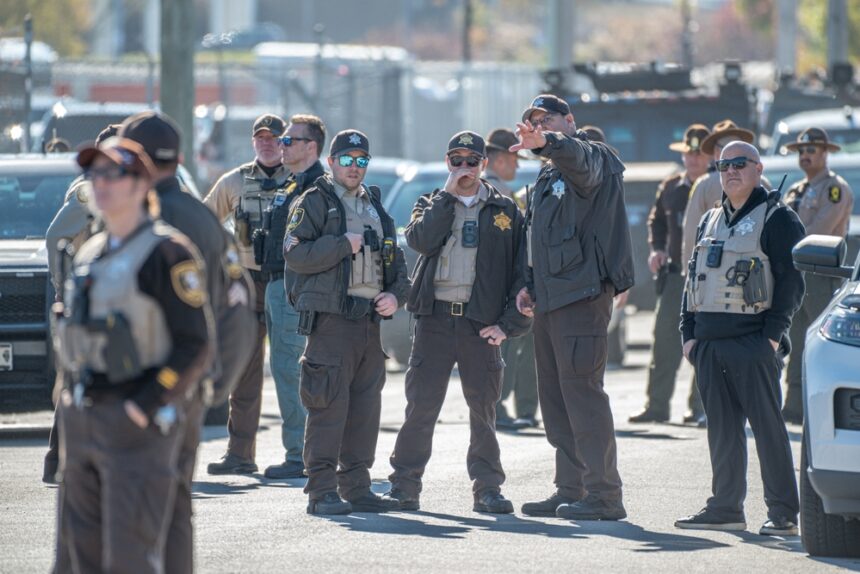
Each of the incidents under review involved a traffic stop that escalated into a fatal confrontation, raising questions about the training, protocols, and decision-making processes that govern how ICE agents conduct vehicle stops relative to how traditional law enforcement agencies approach the same situations. agents are typically equipped and trained for immigration enforcement rather than the full range of encounters that can arise during roadside stops of individuals who may have outstanding criminal records or who may react to being stopped by immigration authorities differently than they would to a police officer.
Trump’s position and its implications
Trump framed the traffic stop question as a binary choice between continuing an effective tactic and surrendering it to pressure from those who want to reduce deportations. He urged agents to be judicious and careful in how they conduct the stops while not reducing their use, a position that acknowledges the risks involved without accepting the conclusion that those risks warrant scaling back the practice.
He also used the post to renew his broader criticism of immigration enforcement during the preceding administration, arguing that the volume of people who entered the country without documentation during that period made continued aggressive enforcement by ICE a necessity rather than an option.
The post was directed at ICE agents directly as much as it was a public statement, signaling to the agency that the White House supports continued vehicle stop enforcement and does not want the internal review to produce a significant reduction in the tactic’s use.
The broader enforcement context
Traffic stops have become an increasingly visible element enforcement strategy under the current administration as the agency attempts to expand its reach beyond traditional immigration enforcement locations such as courthouses and immigration offices into more routine daily interactions. Vehicles stops can be used to make contact with individuals who might not be encountered through other methods, including people without prior immigration court records or without pending removal orders.
The use of traffic stops by immigration officers raises legal and practical questions that are distinct from the broader debate about immigration enforcement levels, including questions about the legal basis for the stops, the extent of ICE authority during vehicle encounters, and the use of force protocols that apply when those encounters become confrontational. Those questions are what the internal review is examining, and Trump‘s post is a signal about the political limits of what that review should conclude.