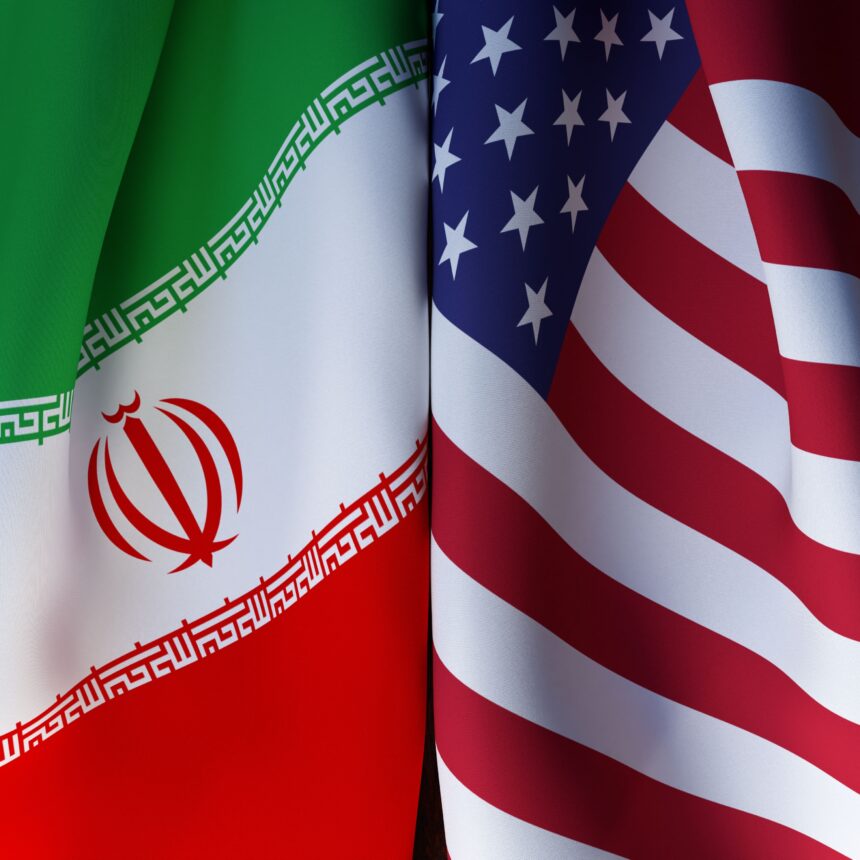
What began as a single Iranian attack on a commercial ship near the Strait of Hormuz on Thursday has expanded into a sustained exchange of military strikes that is straining a ceasefire agreement both sides signed just weeks ago. By early Today, Iran had launched missiles and drones at US military facilities in Kuwait and Bahrain, Kuwait had activated its air defenses, and Bahrain had told its residents to find shelter. No American casualties or significant damage to US facilities were reported, according to a US official who spoke to Reuters.
The sequence of events over the past 72 hours represents the most serious test yet of the June 18 agreement between Washington and Tehran, which was intended to expand on an earlier ceasefire and restore normal shipping through the Strait of Hormuz.
How the escalation unfolded day by day
On Thursday, Iran attacked a Singapore-flagged container ship near the Strait of Hormuz. President Donald Trump described the move as a direct violation of the existing agreement and warned that consequences would follow.
On Friday, the US military responded by striking Iranian missile and drone storage locations and coastal radar sites in and around the strait. US Central Command described the targets as Iranian military surveillance infrastructure, communication systems, air defense installations, and minelaying capabilities.
On Saturday, Iran said it launched strikes against American military targets in the region, though US officials said those drones failed to reach their intended destinations. Hours later, the US conducted another round of strikes against Iranian targets, citing what it called continued Iranian aggression. Iran then responded by firing missiles and drones at US facilities in Kuwait and Bahrain. Also on Saturday, Israeli forces conducted airstrikes on the southern Lebanese town of Nabatieh al-Fawqa, one day after Israel signed an agreement to withdraw troops from parts of the area. The Israeli military separately said it identified and killed Hezbollah militants in the Nebatieh area and dismantled a rocket launcher.
Both sides accuse the other of breaking the deal
Iran’s Foreign Ministry said Sunday that the US airstrikes represented a clear violation of the June 18 ceasefire memorandum. The ministry accused Washington of demonstrating through its actions that it places no value on its commitments. Iran’s Islamic Revolutionary Guard Corps went further, warning that the US strikes would result in a complete halt to all diplomatic processes.
Trump responded on Truth Social by warning that there may come a point at which the US would be forced to take more decisive military action, adding that Iran’s continued strikes left little room for restraint. He did not specify what additional action might look like.
The competing accusations leave the ceasefire in an ambiguous position. Both governments have signed an agreement that both governments are now accusing the other of violating, with no third party in a position to adjudicate or enforce.
Iran’s World Cup campaign ends in the same weekend
Away from the military conflict, Iran’s national soccer team was eliminated from the 2026 FIFA World Cup on Saturday in circumstances that added a layer of bitter irony to an already difficult week for the country.
Iran needed results to go their way on the final day of group play to advance as one of the top third-placed teams across the tournament’s 12 groups. They appeared to be through when Algeria took a late lead against Austria in Group J, which would have dropped Algeria below Iran in the standings. Austria equalized in the match’s final seconds, however, earning a draw that gave Algeria four points for the tournament, one more than Iran’s three. Iran finished ninth among the third-placed teams, one position outside the eight that advance.
The tournament itself created significant logistical difficulties for the Iranian delegation. Several members of the traveling party were denied US visas entirely. The team was required to enter the United States from Mexico the day before each of their first two group matches and leave almost immediately afterward. The US government later adjusted its position, allowing the Iranians to arrive two days before their third match, which ended in a draw against Egypt.
What comes next
The immediate question is whether the exchange of strikes over the past three days represents a temporary flare-up that both sides will step back from or the beginning of a sustained deterioration in a relationship that was already operating under significant strain. The ceasefire was designed to stabilize maritime traffic through the Strait of Hormuz, one of the world’s most critical shipping corridors. Each new round of strikes makes that stabilization harder to sustain and the diplomatic path narrower.
Trump’s warning and the IRGC’s counter-warning leave both sides publicly committed to positions that leave little room for quiet de-escalation. The next 72 hours will likely determine whether the agreement has any meaningful life left in it.