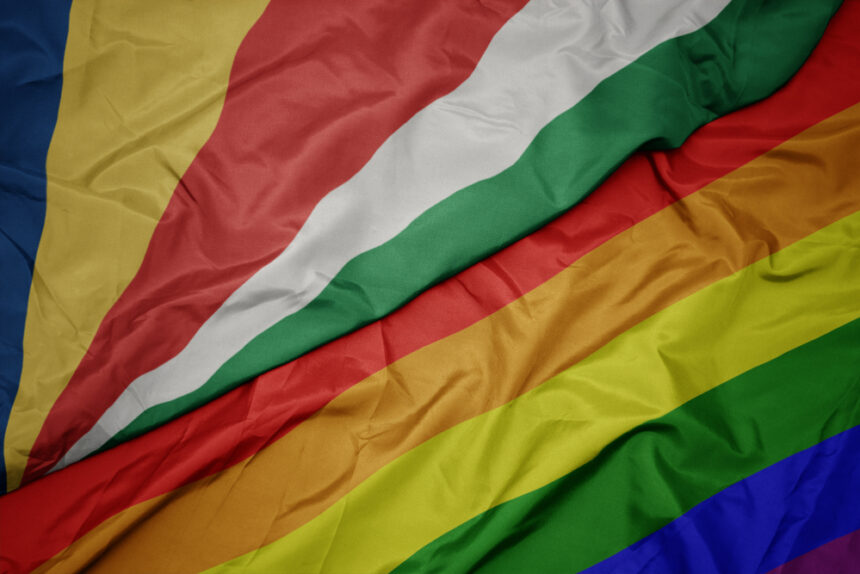
Rainbow flags will be permitted inside Lumen Field in Seattle for the FIFA World Cup group stage match between Iran and Egypt on June 26, a Seattle organizing committee spokesperson confirmed, overriding objections from both nations whose soccer federations had raised concerns in December about how the match was being framed by local organizers.
FIFA’s position is that the rainbow flag represents a statement of human rights rather than a political or discriminatory symbol, placing it outside the category of items prohibited under the tournament’s stadium policy. That policy bars fans from bringing in materials deemed political, offensive, or discriminatory in nature, but governing body officials concluded the rainbow flag did not meet that threshold.
How the conflict developed
The tension surrounding the match began in late 2025 when Seattle’s World Cup organizing committee made clear that it intended to use the Iran-Egypt fixture as what it described as a moment to showcase and celebrate LGBTQ communities in Washington. Both nations’ soccer federations formally objected, raising concerns about the framing of an international sporting event around values that conflict with the laws and cultural positions of both countries.
Iran and Egypt are predominantly Muslim nations in which homosexuality is illegal or criminalized. The objections from the two federations reflected a direct clash between the social standards applied by FIFA and the Seattle organizing body on one side, and the legal and cultural frameworks of both competing nations on the other. FIFA did not adjust its position in response to those complaints.
A policy with complicated applications
The outcome in Seattle stands in contrast to a separate flag controversy at an earlier match in the same tournament. When Iran played its opening game in the Los Angeles area in mid-June, fans who opposed the current Iranian government were prohibited from displaying the pre-revolutionary Iranian flag inside the stadium. That flag, which features a lion-and-sun emblem associated with the period before the 1979 revolution, was determined to fall within the category of prohibited political materials under FIFA’s stadium policy.
The contrast between the two rulings has drawn attention. A flag associated with political opposition to a specific government was banned, while a flag associated with sexual orientation and human rights advocacy was cleared. FIFA’s framework distinguishes the two based on the nature of the expression involved, but the application of those distinctions in a tournament that includes nations with vastly different legal and cultural contexts around both politics and identity has produced decisions that satisfy some parties and frustrate others.
The broader context of the match
The June 26 fixture between Iran and Egypt carries significant stakes for both teams in the group stage of an expanded 48-team World Cup. Egypt won their opening match and currently sit atop their group, with the result against Iran likely to determine whether Egypt advances directly or requires a strong result in their final group game. For Iran, the match is a must-win scenario given their current position in the standings.
The match takes place against the backdrop of a wider geopolitical moment involving the United States and Iran, given the recently signed peace memorandum between the two countries following months of military conflict. Iranian supporters at American venues have navigated a complicated relationship with both the team and the government it represents, and the atmosphere at Lumen Field on Thursday is expected to reflect that complexity alongside the controversy over flag policies that preceded the game.