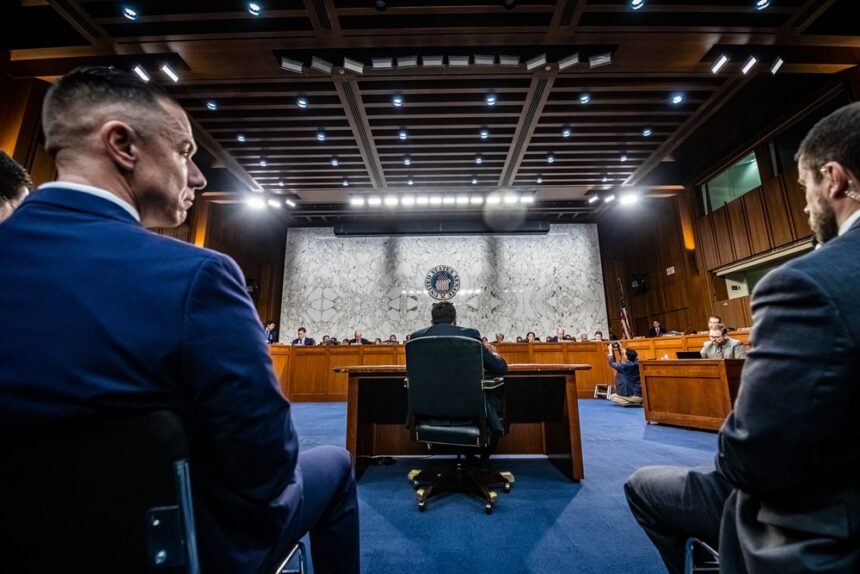
A bipartisan bill that would impose targeted sanctions on individuals connected to state-sponsored forced organ harvesting in China cleared the Senate Foreign Relations Committee on June 17, moving the legislation closer to a full Senate vote after a companion measure passed the House more than a year ago.
The legislation would direct the United States government to compile a list of foreign nationals determined to have knowingly participated in or facilitated forced organ harvesting practices in China. Those placed on the list would face a comprehensive set of consequences under American law, including a prohibition on any financial transactions with United States persons or entities, a freeze on any property they hold within American jurisdiction, a bar on entry to the United States, the invalidation of any existing visas, and disqualification from receiving immigration benefits of any kind.
A bill built on bipartisan support
The legislation was first introduced in March by a Republican senator from Texas and a Democratic senator from Oregon, a pairing that reflected genuine cross-party concern about a human rights issue that has drawn documented attention from researchers, medical ethicists, and international human rights organizations for years. The bill recently gained an additional cosponsor from the Democratic side of the chamber, further broadening its base of support ahead of the committee vote.
A version of the bill cleared the House by unanimous vote in May 2025, a result that demonstrated the issue commands support across partisan lines in the lower chamber. The Senate committee’s advancement of the legislation represents the next step in a process that could ultimately send a bill to the president’s desk if the full Senate takes it up and passes it.
What the legislation targets
Forced organ harvesting refers to the practice of removing organs from living or recently executed individuals without genuine consent, typically for transplantation purposes. Extensive investigative reporting and testimony before legislative bodies in multiple countries have documented allegations that this practice has been carried out in China on a significant scale, with members of the Falun Gong spiritual movement and other persecuted groups identified as primary victims.
The bill’s formal name reflects the specific populations investigators and advocates have identified as most affected, though the sanctions mechanism it creates is designed to reach any individual, regardless of nationality, who can be shown to have participated in the practice.
Congressional momentum building
One of the bill’s original Senate sponsors described the vote as an opportunity to raise international awareness of what he characterized as a terrible and ongoing human rights abuse. The framing pointed toward the legislation’s dual purpose, imposing concrete legal consequences on those responsible while also drawing global attention to practices that persist despite years of documentation and advocacy.
The bill’s passage through committee does not guarantee a full Senate vote or ultimate enactment, but the combination of bipartisan sponsorship, a unanimous House vote in the previous session, and growing cosponsor support suggests the legislative momentum behind it is real. If enacted, it would represent one of the most direct uses of American sanctions law to address allegations of systematic organ harvesting by a foreign government, and would add significant pressure on individuals connected to those practices who maintain any financial or personal ties to the United States.