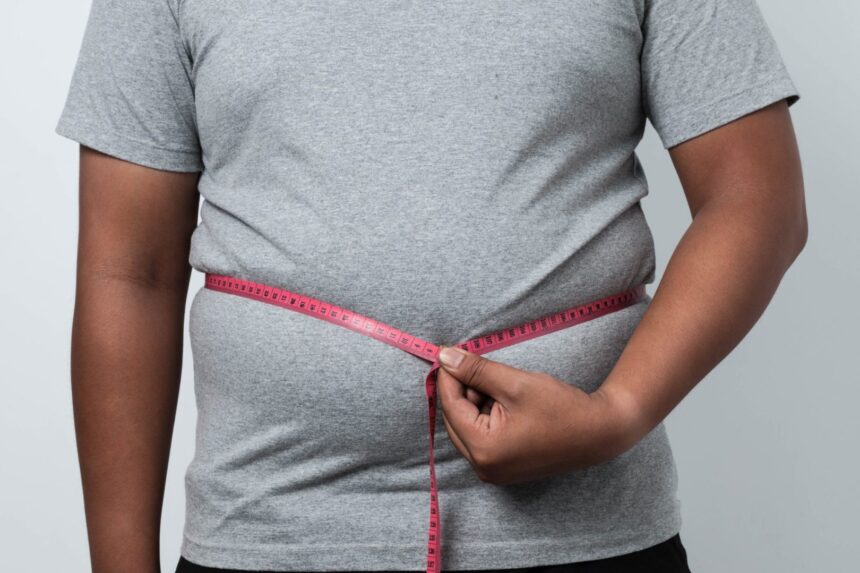
The internet has never had a shortage of opinions on how to lose body fat. Between trending diets, social media fitness culture and the endless parade of before-and-after transformations, it can be genuinely difficult to figure out what advice is grounded in science and what is built around selling something. The good news is that the evidence-based approach to fat loss is far less dramatic than most online content suggests, and considerably more achievable.
It is worth noting upfront that body weight alone is not a reliable indicator of health. People across a wide range of body sizes can be metabolically healthy or at risk, and the goal of reducing body fat is best understood in the context of overall wellbeing rather than appearance. That said, higher levels of fat stored around the abdominal area in particular have been consistently linked to increased risk for heart disease and other chronic conditions, which gives the conversation real clinical relevance.
Set goals that are actually within reach
One of the most common reasons fat loss efforts stall is that the initial goal is too large to sustain momentum toward. When the target feels distant, small setbacks can feel like total failure. A more effective approach is to set short-horizon goals, something achievable within a week or a month, that create early wins and build the kind of consistency that compounds over time.
Gradual progress also tends to preserve more lean muscle mass than rapid weight loss, which matters for long-term metabolic health. The slower the loss, the more likely the body is losing fat rather than muscle, which keeps the process working in your favor as it continues.
Build eating habits around fiber and protein
Rather than overhauling an entire diet at once, focusing on two foundational nutrients can make a meaningful difference without requiring extreme restriction. Fiber, found in fruits, vegetables, whole grains, beans and legumes, slows digestion and extends the feeling of fullness between meals, which reduces the likelihood of overeating without any deliberate calorie counting. Most adults consume well below the recommended daily amount.
Protein plays a complementary role by supporting satiety and helping the body maintain muscle while fat is being lost. Distributing protein intake across meals rather than concentrating it at one sitting tends to produce more consistent results. Eggs, poultry, legumes, nuts and seeds are all practical sources that work across a wide range of eating patterns.
Movement matters but it does not have to be extreme
Current guidelines recommend at least 150 minutes of moderate-intensity physical activity each week, which can include brisk walking, swimming, cycling or light jogging. But movement that happens outside of formal exercise also contributes meaningfully to overall energy expenditure. Walking to complete errands, taking stairs, cooking and cleaning all add up across a day and support fat loss goals in ways that are easy to underestimate.
Sleep and stress are not optional variables
Two factors that rarely get the attention they deserve in fat loss conversations are sleep and stress. Getting fewer than seven to nine hours of sleep consistently disrupts the hormones that regulate hunger and fullness, making it significantly harder to recognize natural satiety cues and easier to overeat. Chronic stress produces a similar effect, often driving cravings for calorie-dense foods as a coping response.
Simple stress management strategies such as brief walks, breathing exercises or consistent sleep routines help regulate both of these systems simultaneously, creating conditions where eating habits become easier to manage rather than a constant source of friction.
Track progress beyond the scale
Body fat changes are difficult to measure accurately at home, and scale weight fluctuates based on hydration, timing and stress. Paying attention to how clothing fits, improvements in physical endurance or energy levels throughout the day often provides a more honest picture of what is actually changing and why.