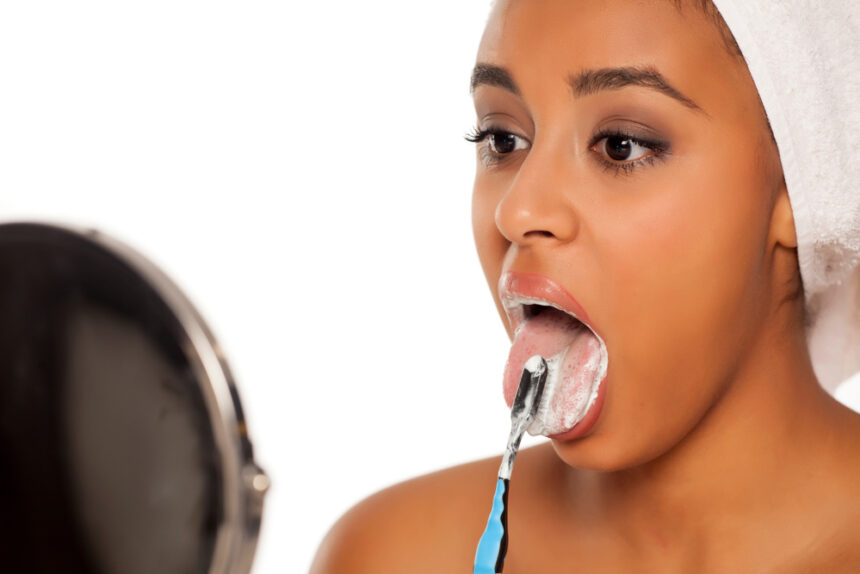
Most people brush their teeth twice a day, floss when they remember and show up to the dentist twice a year with the quiet confidence of someone who has this whole oral hygiene thing figured out. And yet tooth decay remains the most widespread noncommunicable disease on the planet, affecting adults and children alike even in countries with widespread access to dental care. Something is not adding up.
The gap between how much effort people put into their oral routines and how often those routines still fail them points to a fundamental problem. Not just with individual habits, but with the advice that has shaped those habits for decades. A dentist and orthodontic specialist who has spent years studying the relationship between oral health and the rest of the body believes it is time to rethink almost everything.
Brushing is only the beginning of a much bigger picture
The mouth, according to this perspective, is far more than a home for teeth. It is the entry point to the entire body, and what happens inside it has measurable consequences for the heart, the brain, the joints and even an unborn child. When the balance of the oral environment is disrupted and conditions like bleeding gums or active decay go unaddressed, harmful microbes can enter the bloodstream and travel to organs well beyond the jaw.
That systemic connection is why the conventional framing of oral health as a matter of brushing and sugar intake misses so much. The real picture is more complex and, fortunately, more actionable.
5 tips for better brushing and oral care
Wait before you brush after eating
Reaching for a toothbrush immediately after a meal feels responsible but can actually cause harm. When the mouth is exposed to acidic food or drink, tooth enamel temporarily softens. Brushing during that window accelerates erosion rather than preventing it. Waiting at least 30 to 60 minutes allows the mouth’s natural chemistry to stabilize. Using an alkaline rinse can help speed up that process.
Look past fluoride
Fluoride has dominated oral care for generations, but focusing on a single ingredient overlooks the complexity of how the mouth actually works. Enamel remineralization, pH balance and a healthy oral microbiome all matter. One ingredient gaining attention among dental researchers is nano-hydroxyapatite, a compound that closely resembles the natural structure of tooth enamel. Nutritional support also plays a role, particularly vitamins D3 and K2, which help the body direct calcium where it is needed most.
Stop trying to kill every germ in your mouth
Aggressive antiseptic products that promise to eliminate bacteria are working against the very system they claim to protect. The mouth hosts a living microbiome that plays a protective role in gum and tooth health. Repeatedly disrupting that balance with alcohol-based rinses or harsh formulas contributes to dry mouth, inflammation and long-term damage. The goal should be balance, not sterilization.
Rethink how hard and how long you brush
Pressure and duration are not proxies for effectiveness. Brushing too hard with abrasive bristles is one of the leading causes of gum recession and enamel wear. Precision matters more than force. Ultra-soft bristles and controlled pressure, whether brushing manually or with an electric brush, produce better results with less damage. Keeping the toothbrush itself clean with regular sanitizing also reduces the microbial buildup that accumulates between uses.
Match your routine to your life stage
Pregnancy, aging, stress, medications and orthodontic treatment all alter the chemistry and bacterial balance of the mouth. A routine that worked well at 25 may be poorly suited to the same person at 45. Choosing products and habits designed for a current life stage rather than defaulting to whatever has always been in the cabinet leads to meaningfully better outcomes over time.