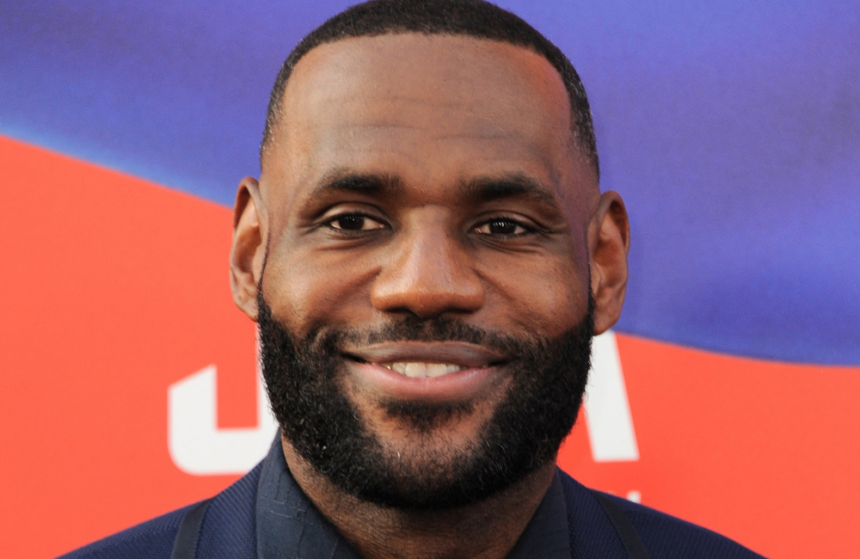
LeBron James is not ready to take a discount, and he is not ready to retire. As NBA free agency approaches, the 41-year-old superstar is making clear that whoever wants him this summer will need to pay accordingly, leaving the Los Angeles Lakers with a significant decision to make about their most recognizable player.
James has not yet committed to playing in the 2026 to 2027 season, describing his timeline for a decision as sometime between late June and August as free agency unfolds. He has said publicly that he believes he can still contribute at a high level and that the game remains something he loves. What he has not said, by all accounts, is that he is willing to accept less money to make a team’s financial situation easier.
What the Lakers are facing
The tension between James and the Lakers organization centers on a straightforward disagreement. Los Angeles does not want to pay him at the level his camp believes he has earned, and James is not inclined to bridge that gap without a compelling reason. Reports indicate that the Lakers would need to present a credible plan to improve the roster around him before James would seriously consider accepting reduced compensation to stay.
The dynamic puts the Lakers in an uncomfortable position. Losing James outright would be a significant blow to the franchise’s identity and marketability. But committing the kind of salary he commands creates its own roster construction challenges in a league with strict financial rules. James earned approximately 54 million dollars this past season, a figure that reflects his standing as one of the game’s highest-paid players despite his age.
Cleveland as an option without a hometown discount
The Cleveland Cavaliers have emerged in discussions as a potential destination if James leaves Los Angeles, a narrative that carries obvious emotional weight given his history with the franchise and the city. However, reports suggest James has no intention of returning to Cleveland on sentimental terms alone.
The Cavaliers, under current circumstances, could offer James a contract in the range of three million dollars, a figure that represents a dramatic reduction from what he has been earning. By all indications, that kind of arrangement holds no appeal for him regardless of the destination. A return to Cleveland, if it happens, would need to come with market-level compensation rather than a loyalty discount.
The case for LeBron as a difference-maker
Despite his age, the argument for James as a meaningful contributor to a contending roster remains credible. He averaged 23.2 points, 7.3 assists, and 6.7 rebounds per game during this postseason, numbers that would be exceptional for a player a decade younger. His playoff experience and ability to elevate a roster in high-pressure moments continue to set him apart from nearly every other player available in free agency.
The Cavaliers, who were eliminated in the Eastern Conference Finals, have a roster that some analysts believe is not far from true championship contention. Adding a player of James’s caliber, even at 41, would shift the conversation around that team considerably. Whether they can meet his financial expectations is another matter entirely.
NBA free agency opens on June 30, and by all signs, James will be its most closely watched participant.