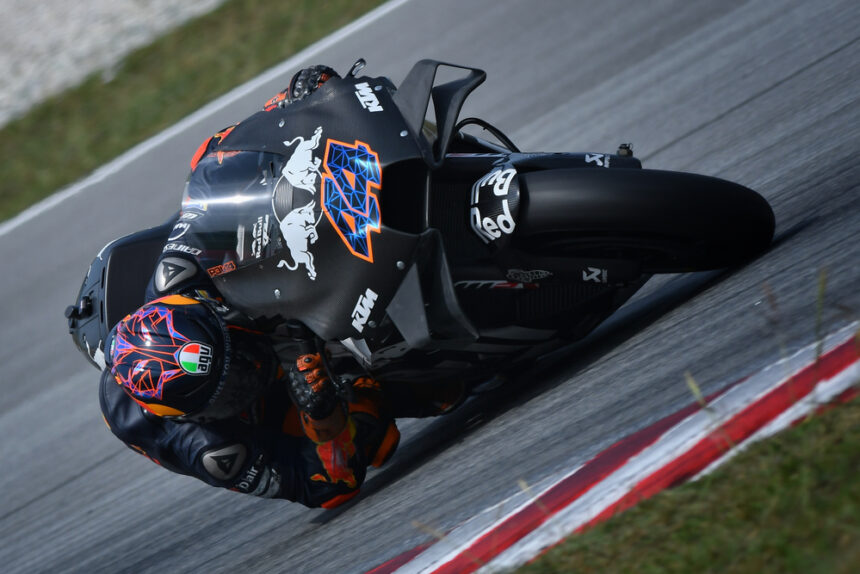
There is no sport quite like it. Two hundred horsepower beneath a human body, leaning at angles that defy logic, hitting speeds that blur the trackside scenery into a single streak of color. MotoGP is not just motorsport. It is the closest thing to controlled chaos that professional competition has ever produced — and the riders who do it are built differently.
Every race weekend, a grid of the world’s most elite motorcycle racers lines up knowing exactly what they are risking. The crashes are not hypothetical. The danger is not manufactured for television. It is real, it is fast, and it demands a level of courage that most people will never fully understand from the grandstands.
What Makes MotoGP the Most Extreme Sport on Two Wheels
The numbers alone tell a story that is hard to argue with. MotoGP machines accelerate from zero to 100 mph in under three seconds. Top speeds exceed 220 mph on long straights. Riders brake from those speeds in fractions of a second, their bodies absorbing forces that would overwhelm most trained athletes.
But raw speed is only part of it. What separates MotoGP from every other motorsport is the physical exposure of the rider. Unlike a car, there is no chassis surrounding them. No crumple zone. No seatbelt. Just a suit, a helmet, and whatever instinct kicks in when things go wrong.
The physical demands are staggering
- Neck and shoulder strength must be elite-level to resist the aerodynamic forces at racing speed.
- Core stability keeps the body locked and controlled through high-speed cornering.
- Reaction time must operate in milliseconds — the margin between a save and a crash is razor thin.
- Mental endurance sustains focus across 20-plus laps while managing tire degradation, race strategy, and rival positioning simultaneously.
These riders are not just thrill seekers. They are precision athletes operating at the outer edge of human capability.
The Bike Is a Beast That Demands Respect
A factory MotoGP machine is not a motorcycle in any conventional sense. It is a purpose-built prototype that shares almost nothing with anything available on a showroom floor. Carbon fiber bodywork. Seamless gearboxes. Electronic systems so advanced they adjust traction, engine braking, and power delivery dozens of times per second.
KTM, one of the most aggressive manufacturers on the grid, has built its identity around a philosophy of controlled aggression — bikes that reward riders willing to push past comfort and find the limit. The RC16, draped in matte black and orange, has become one of the most visually striking machines in the paddock and one of the most technically demanding to tame.
Mastering a MotoGP bike is a negotiation. The rider does not simply control it — they communicate with it, feel its feedback through their hands and body, and make thousands of micro-adjustments every lap.
Why the Risk Never Stops the Riders
Ask any MotoGP rider why they do it and the answers tend to circle back to the same truth — nothing else compares. The sensation of carrying maximum speed through a corner on the absolute limit of grip, the total immersion of a sport that leaves zero mental space for anything else, the brotherhood of a paddock that understands a language most people never speak.
The risk is real. The crashes are hard. Careers are interrupted and sometimes ended in seconds. And yet, the grid fills every season with riders who have walked away from injuries that would end most athletic careers and come back faster, hungrier, and more committed than before.
That is not recklessness. That is devotion.
The Culture That Keeps Growing
MotoGP‘s global fanbase has exploded in recent years, fueled in part by a new generation of riders bringing personality and drama to every round. The paddock has never been more diverse, more competitive, or more compelling to watch.
For newcomers, the entry point is simple — watch one race. One full race, from lights out to the checkered flag, and the sport sells itself. The speed, the sound, the strategy, the sheer nerve on display every single lap. It does not take long to understand why MotoGP riders are among the most respected and quietly celebrated athletes on the planet.