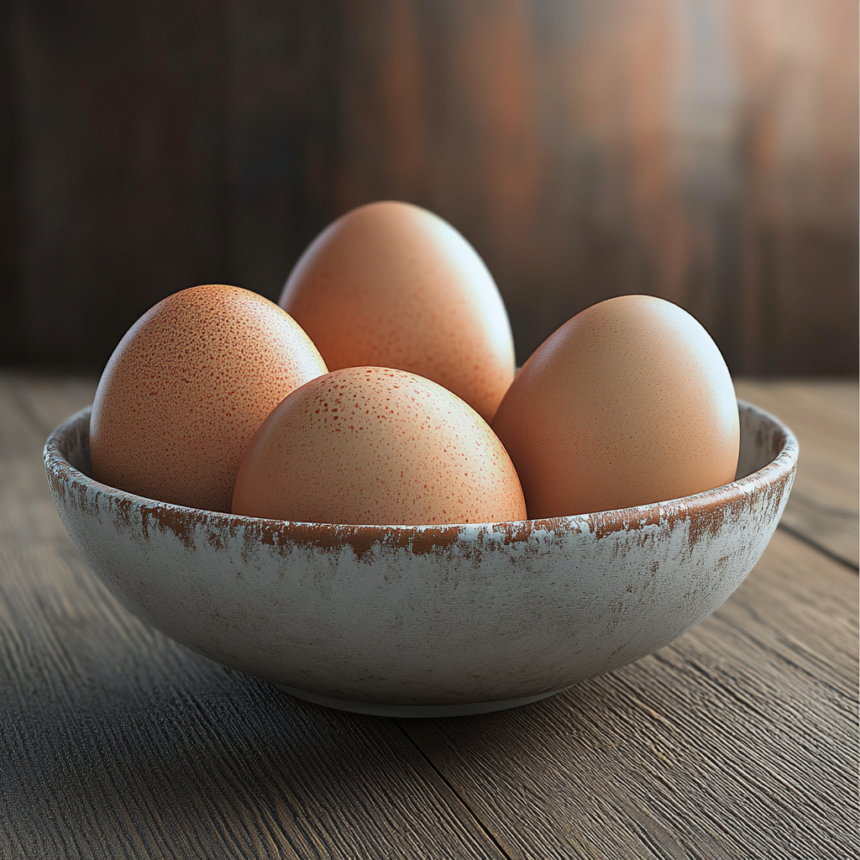
Hard-boiled eggs are one of the most practical things you can keep in the refrigerator. They work as a quick snack, a protein-packed addition to salads, the base of egg salad sandwiches and an essential ingredient in deviled eggs and potato salad. Most people cook a large batch at once, which makes the question of how long they actually last in the fridge more relevant than it might seem.
The answer depends on a few factors, primarily whether the eggs have been peeled and how quickly they were refrigerated after cooking.
Unpeeled eggs last up to one week
According to the American Egg Board, hard-boiled eggs kept in their shells will stay fresh in the refrigerator for up to one week. The shell acts as a natural barrier, helping maintain moisture and preventing the egg from absorbing odors from other foods in the fridge. Unpeeled hard-boiled eggs can be stored loosely in a bowl or in a covered container without any special preparation required.
The key rule to follow regardless of shell status is timing. The USDA recommends refrigerating hard-boiled eggs within two hours of cooking them. Leaving eggs at room temperature for longer than that creates conditions where bacteria can multiply, which is why eggs sitting out at a party or on a counter after meal prep should not be left unattended for extended periods.
Peeled eggs need more attention
Once the shell comes off, the egg’s natural protection is gone. Peeled hard-boiled eggs should ideally be used the same day for the best quality and texture. If same-day use is not possible, store them in an airtight container or a sealed plastic bag in the refrigerator and use them as soon as possible.
This applies directly to deviled eggs, which are often prepped in advance for gatherings. Because the shells have been removed and the eggs are often sitting at room temperature during an event, they should be monitored carefully and refrigerated promptly once serving is complete.
How to tell if a hard-boiled egg has gone bad
A spoiled egg is not something to guess about. Start with a visual check of the shell. Any sliminess, unusual discoloration or chalky appearance is a signal to discard the egg without peeling it. If the shell looks normal, peel the egg and smell it immediately. A rotten egg will produce a distinctly unpleasant odor that is different from the mild sulfurous smell that sometimes comes from eggs that have been overcooked.
That sulfur smell from overcooking is a result of a chemical reaction and does not mean the egg is unsafe. A genuinely bad egg smells noticeably foul. When in doubt, the safest choice is to throw it away.
What about eggs that are close to the ten-day mark
Hard-boiled eggs technically might still be consumable slightly beyond the one-week guideline, but food safety experts are clear that the risk is not worth taking lightly. If an egg is approaching or past ten days, the shell and smell checks are more important than ever. Even if an egg passes both tests, the texture and quality will likely have deteriorated enough to make it unappetizing.
Freezing is not an option
A common misconception is that hard-boiled eggs can be frozen to extend their shelf life. Neither the American Egg Board nor the USDA recommends this. Freezing causes the egg white to become rubbery and unpleasant in texture. Raw eggs and cooked yolks on their own can be frozen, but whole hard-boiled eggs should never go into the freezer.
When it comes to using up leftovers before they turn, egg salad, Cobb salad and a simple sprinkle of sea salt are all fast and satisfying ways to make the most of a good batch.