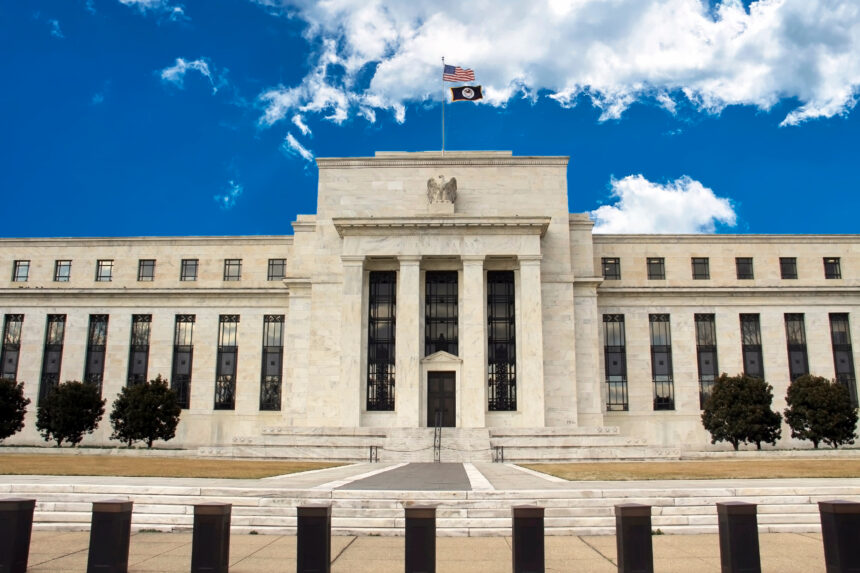
The Federal Reserve entered this year hoping for gradual progress on inflation. January’s data, released Friday, offered little of it. The Personal Consumption Expenditures index, the central bank’s preferred measure of price pressures, rose to 3.1 percent on a core basis in January, its highest reading in two years and a full percentage point above the Fed’s stated target of 2 percent. Core PCE, which strips out volatile food and energy prices, edged up a tenth of a point from December’s reading of 3 percent.
The report, which was delayed by more than two weeks due to last fall’s government shutdown, landed at a particularly complicated moment. With oil prices climbing sharply in the wake of the Iran war and analysts projecting headline inflation could reach 3.5 to 4 percent this spring, the Fed is now navigating a familiar and uncomfortable tension between persistent underlying price pressures and a new external shock it may have limited ability to control.
For now, the data reinforces the case for holding rates steady. Traders are not pricing in any rate cut until December of this year, and the Fed is widely expected to leave its benchmark rate in the 3.5 to 3.75 percent range at its meeting next Wednesday.
Inflation in services is the real concern
The headline number is one thing, but what is raising flags inside the Fed is where the inflation is coming from. Core services prices, excluding housing, accelerated to 3.5 percent in January, the fastest pace since February 2025, driven primarily by healthcare and financial services. Economists note that services inflation is a more reliable predictor of long-run price trends than goods prices, which tend to be more volatile and responsive to temporary disruptions like tariffs.
Goods prices have been creeping up as a result of ongoing trade levies, but most analysts view that as a one-time adjustment rather than a sustained driver of inflation. Services are a different story. They tend to reflect labor costs and structural demand pressures that are slower to reverse, which is why the January acceleration is drawing particular attention from Fed watchers.
Some analysts believe healthcare and financial services could show signs of cooling later this year, which would offer the Fed some breathing room. But that relief is not yet visible in the data.
Inflation expectations and the Iran wildcard
The war in Iran has introduced a new and difficult variable into the Fed’s calculations. Rising oil prices are expected to push headline inflation higher in the coming months, potentially reaching levels the central bank has not seen since earlier in its current tightening cycle. The central question now is whether those energy costs will remain contained to headline figures or begin bleeding into core prices, which would complicate the Fed’s ability to justify staying on the sidelines.
Most economists expect the Fed to look past the energy spike, treating it as a temporary supply shock rather than a signal of accelerating structural inflation. That was the framework the central bank attempted to use during the pandemic era, when energy prices surged following the Russian invasion of Ukraine. The lesson from that period, which the Fed has acknowledged, is that looking through energy shocks carries real risks if inflation expectations among consumers and businesses begin drifting upward.
Inflation and the distant possibility of rate hikes
With rate cuts pushed well down the calendar, some analysts are beginning to ask a different question altogether. Could the Fed be forced to raise rates again? The consensus answer, for now, is no. Most economists believe core PCE would need to accelerate well beyond current levels for a hike to become plausible, and that any such move would require the Fed to abandon its working assumption that a disinflationary trend remains intact beneath the surface noise.
The more hawkish members of the Federal Open Market Committee are expected to dig in on their preference for holding rates steady, particularly with the job market showing no signs of significant deterioration. Until inflation shows a convincing downward trend or the economy shows meaningful signs of stress, the Fed appears content to wait.