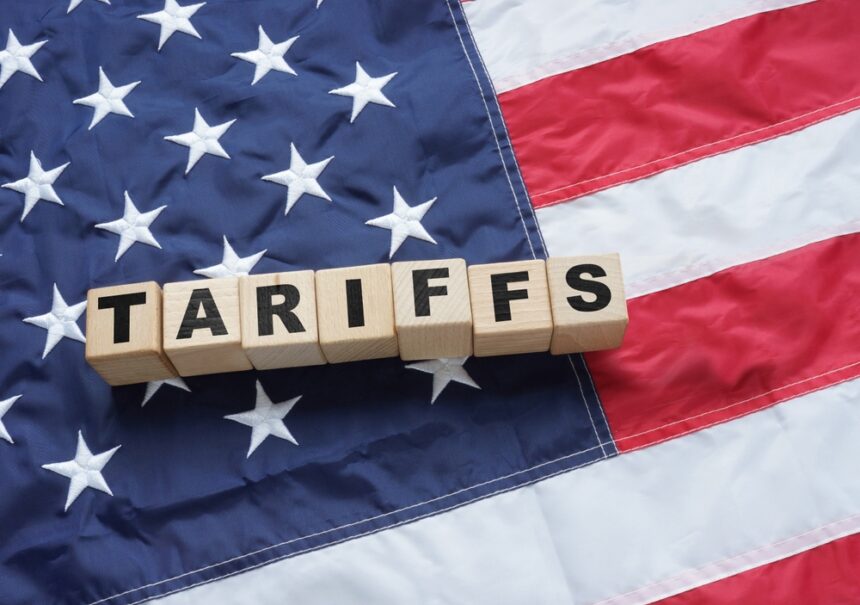
The Trump administration has moved from promises to blueprints. In a court filing submitted this week to the United States Court of International Trade, officials outlined a concrete four-step process for returning illegally collected tariff payments to American businesses. The system, which has been named the Consolidated Administration and Processing of Entries portal, is currently under construction with individual components estimated to be between 40 and 80 percent complete.
The four stages of the process include a claim submission portal, a mass processing function, a review phase for refund determinations and a final step in which approved payments would be sent electronically to designated bank accounts. The filing expressed optimism that the web-based platform would be capable of handling the majority of refund requests during its first phase of development, with more complex scenarios addressed through additional functionality added later.
Performance testing of the system is expected to begin in the coming weeks. A separate government filing submitted the previous week indicated that the full system is targeted to be operational within 45 days.
Tariff court orders are driving the urgency
The administration’s accelerated disclosure of these plans did not happen in a vacuum. Senior Judge Richard Eaton of the Manhattan-based trade court had previously ordered the government to issue refunds for all tariffs that were found to have been collected illegally, and he has been requiring regular updates on the progress of a functional refund system.
The administration had initially sought a three-month pause on the refund question entirely, but the court’s insistence on accountability pushed officials toward a more transparent and active posture. This week, Judge Eaton expressed measured satisfaction with the progress being reported and requested another update the following week. He has also made clear that companies are entitled not only to the original tariff amounts but to interest accrued on those payments as well.
At the center of the dispute is an estimated 166 billion dollars in tariffs collected over the past year under the International Emergency Economic Powers Act. The Supreme Court ruled in February that those tariffs had been collected illegally, setting off a wave of refund claims from thousands of companies across the country.
Tariff pressure is mounting from businesses and consumers alike
The legal and political appetite for refunds has grown considerably in recent weeks. Costco had filed its own refund claim even before the Supreme Court issued its ruling, and this week a customer of the retailer proposed a nationwide class-action lawsuit in federal court in Illinois arguing that any refunds the company receives should be passed directly back to consumers. The case reflects a broader tension over who ultimately absorbs the cost of tariffs and who should benefit when those costs are returned.
Public opinion appears to be aligning with the push for refunds. New polling conducted this week found that roughly 80 percent of likely American voters believe tariff refunds should be issued, with the vast majority also expressing support for some form of direct consumer relief as part of the process.
Tariff battles are far from over
Even as the refund machinery is being assembled, the administration is simultaneously laying the groundwork for a new generation of permanent tariffs. Formal trade investigations were launched this week targeting dozens of countries including members of the European Union, Canada and China. The investigations are designed to give the administration legal authority to implement new tariffs this summer to replace the current duties that are scheduled to expire.
The parallel tracks of refunding old tariffs while building new ones illustrates just how dynamic and contested American trade policy remains. For businesses waiting on refunds, the spring cannot come soon enough.