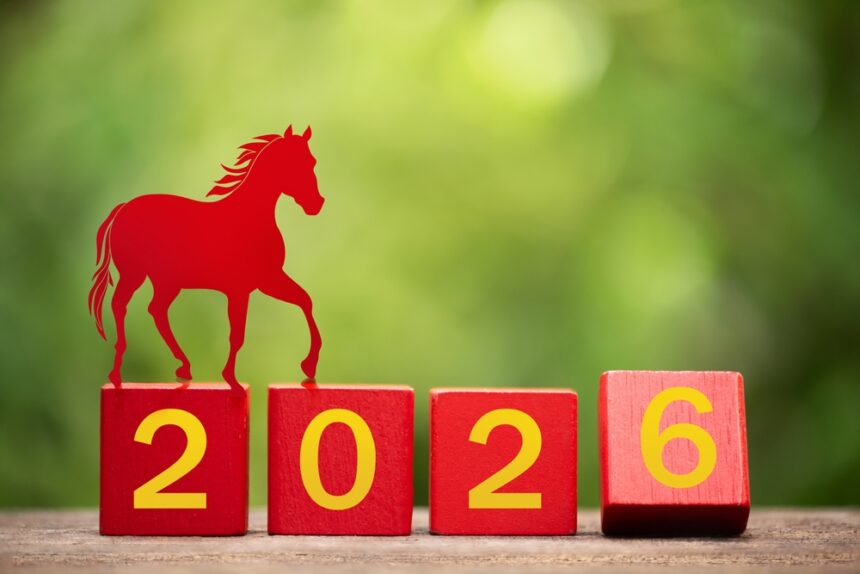
Year of the Horse ushers in two weeks of traditions across Asia and worldwide communities
Millions of people across the globe are preparing for Lunar New Year celebrations beginning Tuesday, February 17, 2026. The festivities usher in the Year of the Fire Horse, a rare zodiac combination appearing only once every 60 years. Two full weeks of family gatherings, elaborate feasts, and colorful traditions will transform communities from Beijing to London as one of the world’s most significant cultural celebrations unfolds.
The annual event represents one of the most important occasions for East and Southeast Asian communities globally. Observances extend far beyond traditional Asian regions to cities and towns worldwide where diaspora communities maintain cultural connections through shared celebration. The Fire Horse brings distinctive energy to the 12-month cycle ahead, carrying symbolic meaning for those born during this year and broader cultural implications for communities participating in the festivities.
How the lunar calendar works differently
The lunar calendar follows moon cycles rather than the fixed January 1 start date of the Gregorian calendar used throughout Western countries. Lunar New Year always arrives on the first new moon, meaning the exact date shifts annually between January 21 and February 20 depending on astronomical timing.
The celebration beginning February 17 actually started the evening before and continues for a full 15 days. This extended timeframe allows families scattered across different cities or countries to coordinate travel schedules and spend meaningful time together during this culturally significant period. The longer celebration window acknowledges the logistics of modern life while honoring centuries-old traditions.
The lunar calendar system has governed traditional Chinese timekeeping for thousands of years. This astronomical approach creates rhythms distinct from Western scheduling while maintaining deep connections to natural cycles and agricultural traditions that shaped Asian societies throughout history.
Understanding the Chinese zodiac system
The Chinese zodiac operates on a 12-year cycle, with each year represented by a different animal. The complete roster includes the rat, ox, tiger, rabbit, dragon, snake, horse, goat, monkey, rooster, dog, and pig. Every animal claims its moment once per dozen years before the pattern repeats cyclically.
People born during Horse years are believed to embody specific personality characteristics. Horse individuals tend toward adaptability, energy, outgoing personalities, positivity, ambition, intelligence, and adventurous spirits. However, the system acknowledges potential downsides including outspokenness, self-centeredness, and stubbornness. These traits vary widely among individuals regardless of birth year.
The zodiac complexity increases through five rotating elements: wood, fire, earth, metal, and water. The 2026 Fire Horse represents a unique combination appearing only when both cycles align—a phenomenon occurring every 60 years. This rarity makes 2026 particularly significant for those following traditional zodiac beliefs.
The legendary Great Race origin story
The zodiac animal order originates from an ancient story called The Great Race. According to legend, the Jade Emperor, one of traditional Chinese religion’s most important deities, organized a competition where 12 animals raced across a river. Each creature wanted a year named in their honor, so they competed fiercely to complete the crossing fastest.
Through cleverness rather than raw speed, the rat claimed victory and earned first position in the zodiac calendar. The remaining animals secured their positions based on finishing order in the legendary race. Different Asian cultures maintain slight variations—Vietnam celebrates the Year of the Cat instead of Rabbit, while Japan honors the boar rather than the pig, reflecting cultural adaptations of the shared tradition.
Celebration traditions and symbolic customs
Preparations begin well before February 17 arrives. Families engage in thorough home cleaning to symbolically sweep away bad luck and create space for fresh opportunities in the coming year. This practice carries both practical household benefits and symbolic spiritual importance for communities ready to embrace renewal.
Schools and businesses throughout China and other Asian countries often close for several days, enabling everyone to travel and gather with loved ones. Family togetherness forms the emotional heart of Lunar New Year observances across all communities celebrating the occasion.
Food carries profound symbolic meaning throughout festivities. Noodles represent longevity. Dumplings symbolize wealth. Fish signifies abundance. Tangerines bring good fortune. Families enjoy hot pot meals, nian gao rice cakes, and radish cakes during the extended celebration period.
Red envelopes called hongbao represent cherished traditions where decorative packets containing money get exchanged between family members and friends as tokens of good luck and prosperity for the upcoming year.
Community celebrations and performances
Communities organize elaborate parades featuring traditional costumes and vibrant performances, including the iconic lion dance. Performers believe energetic movements and brilliant colors chase away evil spirits and bring protection. Fireworks light up the sky for similar protective purposes, with the noise and brightness thought to ward off negative forces.
The celebration culminates after two weeks with a special lantern festival, bringing the extended holiday to a festive close. This final celebration allows communities to transition back into regular routines while carrying forward the positive energy and renewal intentions of the new year.