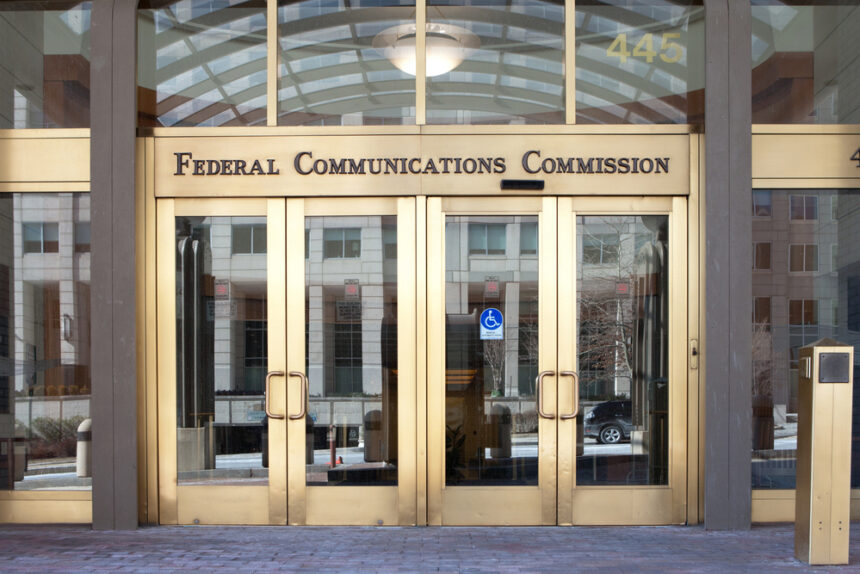
The Federal Communications Commission will vote Oct. 29 on rules limiting which laboratories can test electronic devices for the US market, restricting recognition to domestic labs and to countries that extend the same treatment to American facilities.
What does the rule do?
Changes who can certify. Before a phone, camera, computer or any other electronic device can be sold in the United States, it must be tested at a commission recognised laboratory. The order would narrow that recognition to US labs and to labs in countries offering reciprocal recognition to American ones.
Which country is this about?
China, though the statement does not say so. Chinese laboratories handled roughly 83 percent of commission certification applications in 2025, and China does not grant reciprocal recognition to US testing labs. A rule written around reciprocity, applied to a market where one country holds that share and offers no reciprocity, has one obvious target. The commission named none.
What reasons were given?
Two. The commission said it lacks confidence in testing performed in economies without a reciprocal framework, citing a pattern of what it called egregious violations. It also said that moving testing abroad has left the equipment authorisation programme overconcentrated and harder to oversee. Its chairman framed the change in terms of trade practices that ignored reciprocity and of testing capacity being offshored at the cost of American jobs.
Is the concentration argument sound?
On its own terms, yes. A certification system in which more than four fifths of applications pass through laboratories in a single jurisdiction is concentrated by any measure, and a regulator with limited ability to inspect those facilities has a genuine oversight problem. That case stands independently of the trade framing attached to it.
What is the counterargument?
Capacity and cost. The work currently done in those labs has to go somewhere, and whether US and reciprocal country facilities can absorb 83 percent of global certification volume is the question nobody in the announcement addresses. If capacity falls short, the result is queues, and queues mean delayed product launches and higher costs that reach consumers. Critics are also likely to note that a reciprocity requirement is a trade measure whatever the security justification.
Would this affect what you can buy?
Potentially, and not immediately. Devices already certified are unaffected. The impact would appear in new products requiring certification after the rules take effect, through delay rather than prohibition. How much delay depends entirely on the capacity question.
Could it be challenged?
Likely. Rules of this kind attract petitions from manufacturers and trade associations, and a measure with clear trade effects may also draw responses from affected governments. A vote on Oct. 29 is the start of that process rather than the end.
What should be watched?
The capacity data. If the commission publishes an assessment of how much testing US and reciprocal labs can handle, the FCC testing rules become a manageable transition. If it does not, the first evidence will be products arriving late.