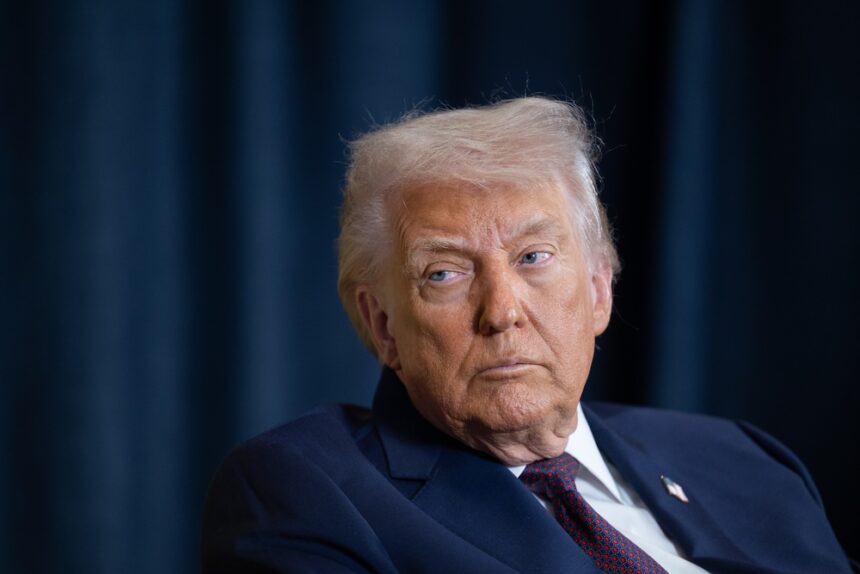
President Trump announced on Aug. 18 that he would pause a planned 50 percent tariff on certain Canadian goods for three days following last-minute negotiations between the two countries, saying the two sides had reached a deal.
The tariffs had been set to take effect at 12:01 a.m. ET on Aug. 19. Trump announced the pause on Truth Social, saying a deal had been reached subject to the finalization of documents. He also said the Keystone XL Pipeline could be revived as part of the arrangement.
Canadian Prime Minister Mark Carney said in a statement that substantial progress had been made but that important work remains to be done.
The tariffs and the dispute
The additional 50 percent levy on certain Canadian goods was announced by the White House on July 20, framed as retaliation for what Trump described as unreasonable and unequal treatment of American alcohol, automotive and dairy exports. Canada has been in an ongoing trade dispute with the United States since the imposition of broader tariffs earlier in the Trump administration’s second term.
The pause gives the two sides three days to finalize whatever agreement has been reached. Neither the United States nor Canada provided details of what the deal contains. The Keystone XL reference is notable because the pipeline project, which would carry oil sands crude from Alberta to the Gulf Coast, was canceled under the Biden administration and has been a recurring point of interest for the Trump White House.
What the pause means
A three-day delay on the tariffs hours away from taking effect represents a significant development in trade relations between the two countries but stops short of a resolution. The conditions that led to the July 20 announcement, specifically the administration’s complaints about Canadian treatment of American agricultural and automotive goods, remain unresolved until documents are finalized and terms are publicly disclosed.
Canada is one of the United States’ largest trading partners, and the goods covered by the 50 percent tariff threat have significant implications for industries on both sides of the border. A collapse in negotiations before the three-day window closes would reinstate the threat and likely escalate tensions further.
Carney’s measured statement, acknowledging progress while noting unfinished work, reflects the cautious posture of a negotiating party that does not want to overstate a deal that has not yet been fully documented. Trump’s framing of it as a done deal, subject only to paperwork, is the more optimistic of the two descriptions.
The Keystone XL dimension
Trump’s reference to the Keystone XL Pipeline as potentially being awoken from the grave as part of the deal adds a dimension to the negotiations that goes beyond tariff rates and market access. Keystone XL was a major political and environmental flashpoint during the Biden years, and its revival would require navigating a range of regulatory and legal obstacles.
If the pipeline is genuinely part of whatever deal has been reached, it would represent a significant concession by Canada and a major win for the American energy sector. At this stage, the reference is speculative and unconfirmed by Canadian officials.
The three-day window will determine whether the announced deal holds and what its actual terms contain.