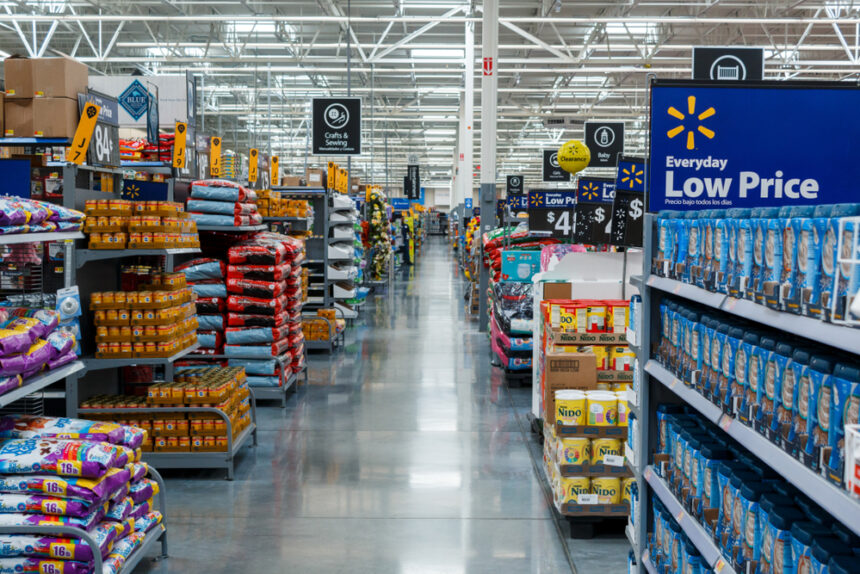
Walmart has said it will not use personal information to set prices as digital shelf labels replace paper tags across its stores, addressing concerns raised as the technology spreads.
What was the commitment?
That prices will not vary by who a shopper is or by time of day, stated as both a current practice and a future one. The company’s chief executive made the statement on its website, framing digital labels as rapidly replacing paper tags across American supermarkets generally rather than as a Walmart specific change.
What are digital shelf labels?
Small electronic displays showing a price that can be updated centrally rather than by staff walking the aisles with printed tags. The immediate business case is labour. Repricing thousands of items manually is slow and error prone, and a store that can update instantly can also correct mistakes, run promotions and match competitors faster.
What is the concern?
Dynamic pricing, meaning prices that change in real time in response to demand, inventory or other conditions. Airlines and ride services have used it for years, and the objection to importing it into groceries is that essential goods are not discretionary purchases. A shopper cannot decline to buy food because the price moved at five o’clock.
Does the pledge cover everything?
No, and the distinction matters. The commitment as stated rules out prices varying by individual identity and by time of day. It does not obviously rule out prices changing in response to other factors, including inventory levels, supplier costs, competitor pricing or demand measured in aggregate rather than by person. Walmart digital price labels enable rapid repricing regardless of what triggers it, and a technology’s capability outlasts any current policy about its use.
Is personalised pricing legal?
Largely unregulated at the federal level, which is why company commitments carry weight in this area. Charging different prices based on protected characteristics is unlawful, but pricing that varies by inferred willingness to pay generally is not. Some states have begun examining the practice, and no binding national standard currently governs it.
Why are shoppers watching this closely?
Because grocery prices have been a sustained source of household strain, and any change to how they are set arrives against that backdrop. Trust in pricing is difficult to rebuild once lost, which is a commercial reason for a retailer to make this commitment as well as a reputational one.
What should shoppers actually do?
Check the shelf against the register. Digital labels make it easier to correct mispricing and also easier for an error to propagate instantly across a store. Photographing a shelf price before an expensive purchase costs nothing and settles any dispute at the till. Loyalty app prices and shelf prices can also differ, which is a separate matter from Walmart digital price labels and worth verifying on its own.
What would indicate the pledge holding?
Independent observation over time. Researchers and journalists can track advertised prices at intervals across locations, and any systematic variation by hour would surface quickly. A commitment of this kind is testable, which is the most useful thing about it.