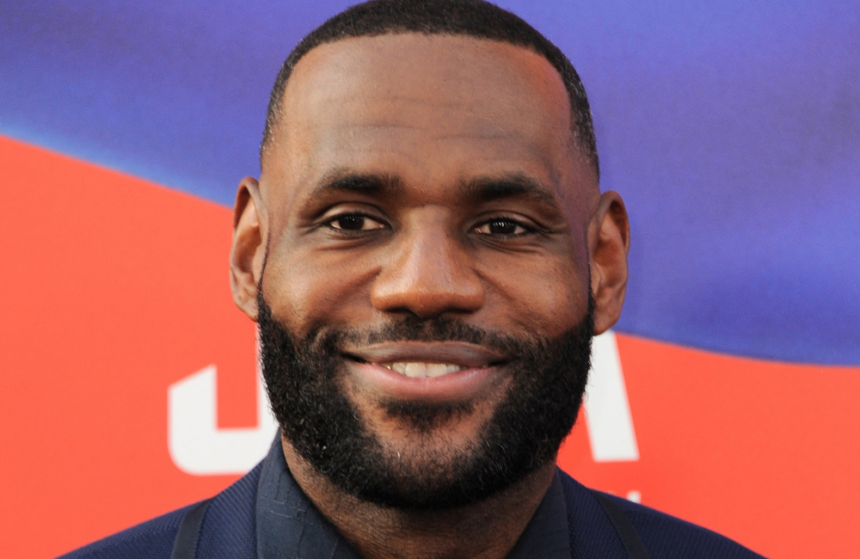
LeBron James signed with the Philadelphia 76ers this week on a two year, 8 million dollar contract with a player option, choosing the move over any offer that would have paid him closer to his market value. According to Klutch Sports Group CEO Rich Paul, James made the decision with one goal in mind, positioning himself for another championship run in what could be among the final seasons of his career. At 41 years old and with four championships already to his name, James is prioritizing roster fit over a bigger paycheck at this stage.
How much less will LeBron James actually make?
James earned roughly 53 million dollars with the Los Angeles Lakers last season. His new deal will pay him approximately 3.88 million dollars in his first year with Philadelphia, a reduction of about 48.7 million dollars. That works out to a pay cut of roughly 92.6%, which multiple outlets covering the deal described as the largest single season pay cut in NBA history. The number reflects a veteran minimum level contract, the same baseline available to any player with James’ years of experience, rather than a discount negotiated specifically below that floor.
How did the 76ers build this roster?
Philadelphia’s roster overhaul began before James entered the picture. The team acquired Jaylen Brown, a former NBA Finals MVP, in a blockbuster trade with the Boston Celtics, sending Paul George along with four future draft picks, two first round selections in 2028 and 2031 and two second round picks in 2028 and 2030, back to Boston to complete the deal. That trade came after Philadelphia upset the Celtics in last season’s playoffs before losing in the second round, a result the front office treated as evidence the team was close enough to contention to justify an aggressive summer.
What does this mean for Philadelphia’s championship chances?
Pairing James with Brown and longtime center Joel Embiid gives Philadelphia a trio capable of competing with the league’s top teams on paper, though how the pieces fit together on the court remains untested. James accepting far less than his market value gives the front office more financial flexibility to fill out the rest of the roster around that core, since the team is not absorbing a maximum salary on top of Brown’s and Embiid’s existing contracts. Whether that flexibility translates into meaningful depth will likely shape how realistic Philadelphia’s championship odds actually are heading into the season.
How does this fit into LeBron James’ career earnings?
James built his fortune through a series of major contracts, starting with his rookie scale deal in Cleveland and followed by a max extension there, a marquee free agent move to Miami, a return to Cleveland on multiple short term deals, and eventually a long run with the Lakers built on free agency and subsequent extensions worth well over 300 million dollars combined across those years. Against that backdrop, the 76ers deal stands out less for its size and more for what it signals, that James now values roster fit and championship odds well above maximizing his salary in the twilight of his career.
The timing also carries some symbolic weight. James spent the bulk of his career defining eras in Cleveland, Miami and Los Angeles, and a move to Philadelphia at 41 puts him back in the Eastern Conference for what may be his final competitive window. Rather than testing free agency for one more lucrative offer, he chose the roster he believed gave him the clearest path back to a championship, a decision that says as much about how he wants his career to end as it does about the numbers on the contract itself.