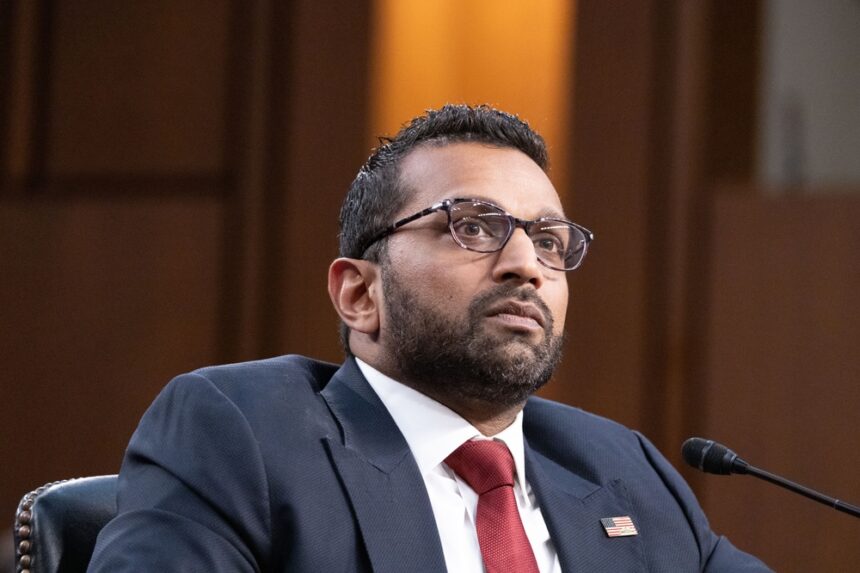
FBI Director Kash Patel said the bureau prevented 715 planned terrorist attacks on American soil last year, revealing the previously unreported figure in an interview set to air on Aug. 8.
Patel made the disclosure in a conversation with a media outlet, sharing details of several interdictions that he said stemmed from ISIS and other terrorist-affiliated organizations. The figure Patel cited, if accurate, would represent a significant volume of domestic counterterrorism activity that has not previously been publicized.
Among the cases Patel highlighted was a stretch in December in which the FBI shut down four planned attacks within 30 days. He described the FBI accomplishment as remarkable, particularly given the timing during the holiday season, and attributed the results to resources and support from the current administration. Patel said the four attacks were intended to target locations across Southern California, Texas, Florida and New York.
What the bureau was targeting
Patel said the suspects in those four cases were unconnected to one another but shared a common intent to attack places of worship, schools, businesses or other public gathering places. He described their objective as disrupting the American holiday season by killing large numbers of people, using language suggesting the plots were aimed at mass casualty events rather than targeted acts of violence against specific individuals.
Patel said the bureau intervened before any of the attacks could be carried out.
The FBI does not typically release comprehensive figures on the number of thwarted plots in a given year, and there is no independent source against which to verify the 715 number Patel cited. The director’s characterization of the December stretch as monumental suggests he views the overall 2025 counterterrorism record as an organizational accomplishment worth publicizing, whether as a measure of effectiveness or as part of a broader argument about how the bureau has been resourced and managed.
Counterterrorism as an institutional priority
The bureau’s counterterrorism division is responsible for identifying, investigating and disrupting threats to American soil from both domestic and international terrorist organizations. ISIS-affiliated threats have remained a persistent focus since the group’s peak in 2014 to 2016, when it inspired or directed attacks in multiple countries and attempted to recruit or radicalize individuals residing in the West.
The number of individuals in the United States who have been investigated or prosecuted on terrorism-related charges has remained substantial in the years since, including cases involving lone actors inspired by extremist ideology and cases involving more organized plots with international direction.
How many of those investigations become what the FBI or a prosecutor would characterize as a foiled attack depends on how far a given plot progressed before law enforcement intervened, and different agencies can apply different definitions to that threshold. A case in which an informant helped someone acquire materials for a bomb constitutes a disrupted plot by most definitions, but the level of operational reality behind individual cases varies considerably.
The interview and what to expect
The Patel comments are drawn from an interview that has not yet aired in full. Additional details about specific cases, the methodologies involved and the geographic or ideological breakdown of the 715 figure may emerge when the full interview is released on Aug. 8.
The figure itself, presented without accompanying data on how it was compiled or defined, invites scrutiny that the interview context may or may not satisfy. What is clear from the interview excerpt is that the director is framing the bureau’s counterterrorism record as a significant achievement under the current administration, placing institutional credit for the results with the White House. That framing is worth noting as context for how the number is being presented.