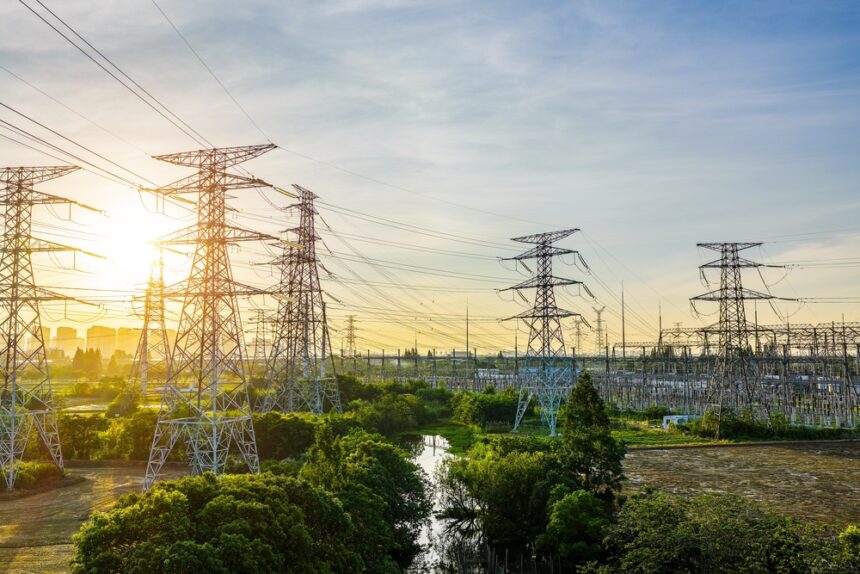
A major regional grid operator serving the central United States issued emergency-level alerts on Monday before walking back its most serious warning later in the evening, as a sprawling heat wave pushed electricity demand toward levels that strained available power supply.
Southwest Power Pool, which manages grid operations across 17 states stretching from North Dakota to Louisiana, issued a Level 3 energy alert on Monday afternoon, notifying utilities and power system operators that it had been forced to draw on operating reserves to meet consumer demand after several power plants unexpectedly went offline during the heat event. Reserve margins had thinned to the point that the operator flagged an elevated risk of outages, though it did not order rolling blackouts or controlled service interruptions.
By late Monday evening, the situation had stabilized enough for the operator to downgrade that alert. Southwest Power Pool announced shortly before 10 p.m. Central Time that the western portions of its grid, which had been under the greatest stress earlier in the day, were no longer at the same level of risk. The Level 3 designation was reduced to a conservative operations advisory, a lower-tier notice that does not require the public to reduce electricity consumption.
What the advisory actually means
Conservative operations advisories serve a specific and largely behind-the-scenes purpose. They are directed at utilities, transmission operators and power generators rather than at residential or commercial customers. The goal is to put the entities responsible for running the grid on notice that conditions are tightening and that additional vigilance is needed to protect reliability.
Monday’s advisory cited two compounding factors beyond raw demand. First, the heat wave itself was expected to keep driving high electricity consumption through peak hours as residents and businesses ran air conditioning at maximum capacity for extended stretches. Second, wind and other variable energy sources were forecast to produce lower output than typical heading into those peak demand periods, reducing the cushion available to absorb any further plant outages or demand spikes.
The combination of high demand and reduced renewable output is a recurring challenge for power system operators across the country during extreme heat events. Wind generation in the central United States tends to be strongest at night and during cooler periods, meaning that precisely when electricity demand peaks during summer afternoons and evenings, one of the region’s largest power sources may be producing less than its nameplate capacity would suggest.
How serious was the Level 3 alert
A Level 3 energy alert in the Southwest Power Pool system represents a meaningful escalation beyond routine grid management. It signals that the operator has moved from relying on its normal complement of available generation into its reserve capacity, the layers of backup power that exist specifically to handle unexpected outages or demand surges.
When reserves are being drawn upon, the margin for additional problems shrinks. If another plant trips offline or demand rises further, the operator has fewer resources available to respond without taking more disruptive action. The decision to issue the alert was a direct signal to market participants and grid operators that the situation required immediate attention.
That the operator was able to downgrade the alert within a few hours reflected both the stabilization of the plants that had gone offline and the moderation of demand as evening temperatures began to ease. Grid stress events of this kind often resolve once peak afternoon heat passes, though they underscore how thin the margin can be during extreme weather.
The broader context of summer grid stress
Heat waves of the scale affecting the central United States in mid-July place enormous concurrent demand on power systems across multiple states simultaneously. Unlike localized weather events that allow grid operators to import electricity from neighboring regions, widespread heat events reduce the ability to move power across interconnections because every area is drawing heavily at the same time.
Southwest Power Pool’s management of Monday’s situation, avoiding blackouts despite losing plant capacity during peak demand, reflects the increasingly sophisticated tools grid operators use to manage real-time reliability. But it also illustrates how close the margin can become when heat is severe, plants fail unexpectedly and renewable output falls short.