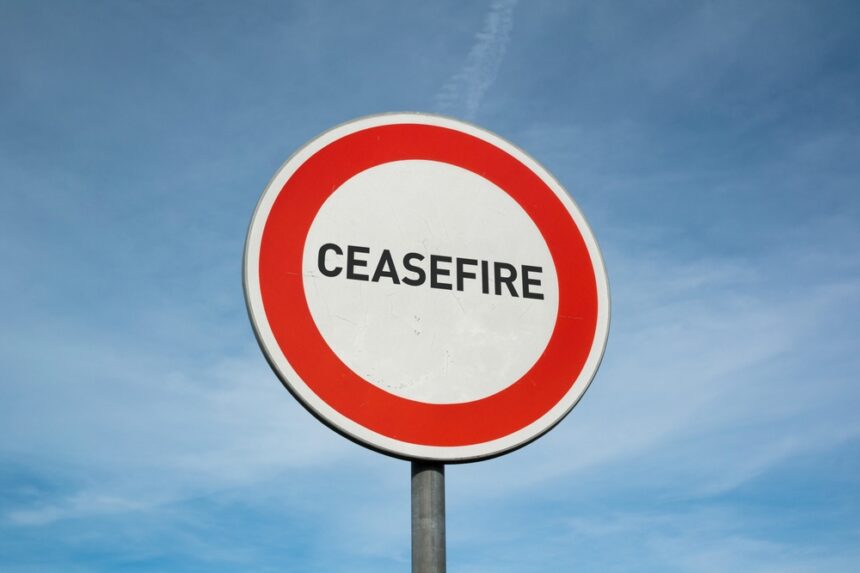
Israel reached a ceasefire with Hezbollah on June 19, halting an intense overnight flare-up in fighting across southern Lebanon that had threatened to complicate the broader regional peace process tied to the recently signed US-Iran agreement.
A United States official confirmed the truce to media on Friday, noting that it was reached following mediation efforts by Qatar and the United States. The ceasefire took effect at 4 p.m. local time. The Israeli military did not respond to a request for comment before the news was reported.
How the fighting escalated
The ceasefire came after one of the more intense periods of military activity in Lebanon in recent weeks. Israeli forces launched dozens of strikes across southern Lebanon on Friday following the deaths of four Israeli soldiers during combat operations in the area. The strikes represented a significant escalation from the lower-level confrontations that had continued between Israel and Hezbollah even as the broader diplomatic environment around Iran shifted following the memorandum of understanding signed at the G7 summit in Versailles.
Hezbollah, the Lebanese militant organization designated as a terrorist group by the United States and several other governments, has maintained a close alignment with Iran’s leadership throughout the conflict period. Iranian officials have consistently argued that any comprehensive peace arrangement in the region must address Israeli military operations in Lebanon, directly linking the Hezbollah situation to the ongoing diplomatic negotiations between Washington and Tehran.
The connection to the Iran peace process
The timing of the Lebanon flare-up was particularly sensitive given where the broader regional diplomatic effort stood. Vice President JD Vance had been scheduled to travel to Switzerland for technical talks aimed at advancing the implementation of the US-Iran framework agreement. He postponed the trip as fighting in Lebanon intensified, a decision that reflected both the practical complications of conducting sensitive diplomacy while a military confrontation was unfolding nearby and the signal value of pausing the visit until the situation stabilized.
The ceasefire, once confirmed, removed that immediate obstacle. Vance’s visit to Switzerland, when it proceeds, will focus on the detailed technical work required to translate the 14-point memorandum of understanding signed by the United States and Iran into a durable final agreement. That process includes a 60-day negotiating window in which the International Atomic Energy Agency and the parties involved must define the concrete verification and compliance mechanisms that will make the nuclear commitments enforceable.
What the ceasefire means for regional stability
The Lebanon ceasefire represents a necessary if fragile stabilization of one of the region’s most active flashpoints. Hezbollah and Israel have been in a state of intermittent military confrontation since the outbreak of broader regional hostilities earlier this year, and previous ceasefire arrangements have been tested repeatedly by incidents on both sides.
Whether this agreement holds will depend on whether both parties see sufficient incentive to maintain it during the period of broader diplomatic negotiation. For Iran, encouraging Hezbollah to observe the truce is consistent with its stated position that the peace process should encompass Lebanon. For Israel, the ceasefire provides operational relief while the government assesses how the US-Iran framework affects its own security interests.
The mediation role played by Qatar alongside the United States reflects the country’s continued positioning as a trusted channel in the region’s most sensitive diplomatic conversations, a role it has occupied through multiple rounds of negotiations over the past several years.