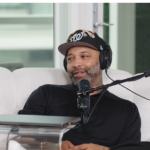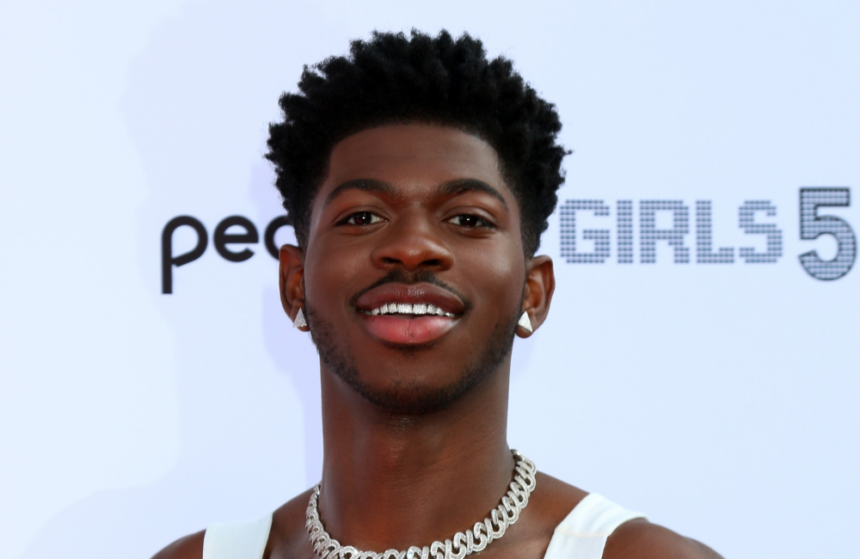
A podcast conversation recorded with Lil Nas X in February 2025 was released publicly in late April, and the timing gave it a weight that no one involved could have anticipated when it was filmed. The 27-year-old artist, born Montero Hill, sat down for his first extended interview in more than a year, speaking candidly about a period of deep insecurity, paranoia, and deliberate withdrawal from public life. Six months after the recording was made, he was arrested in Los Angeles under circumstances that a judge would later connect to his bipolar disorder diagnosis.
The conversation, released as part of an iHeartMedia podcast network, captured Hill in a reflective mood, describing a year in which he had largely retreated from visibility because he felt overwhelmed by the sense that the world was working against him. He acknowledged that much of that feeling was something he had constructed internally, and spoke about working through it by returning to a practice of self-acceptance and letting change happen naturally rather than forcing it.
Reevaluating relationships and the people around him
Part of Hill’s personal recalibration involved looking closely at the professional relationships in his life. He described making deliberate decisions about who he wanted around him as he moved into a new chapter, not out of animosity but out of a desire to align the people in his circle with what he actually needed rather than what he had assumed he should want. The process involved releasing a number of people he had been working with, a move he framed as a necessary act of self-awareness rather than a personal conflict.
He also spoke about the tension between the public expectation of continuous growth and the reality that meaningful change tends to be organic rather than engineered. His message was one that many people in high-pressure creative environments might recognize: the compulsion to perform transformation on a visible schedule can become its own obstacle.
Lil Nas X on identity, artistry, and being an imperfect representation
Hill spoke openly about the specific pressures that come with being a Black, gay artist whose creative sensibility has always leaned toward the unconventional. He described a conflict between the version of himself that some audiences want him to embody, a polished and symbolic representation of a community, and the version of himself that actually exists, one that is drawn to provocation, humor, and imperfection.
He pushed back on the idea that he should be a flawless symbol, arguing that imperfection is precisely what makes any representation honest. The tension between public expectation and private reality has been a recurring theme in his public persona since his earliest career moments, and the podcast conversation made clear it remained something he was still actively working through.
What followed the recording
Eight months after the podcast was filmed, Hill was arrested in Los Angeles following an incident in which police officers responding to a call found him in a distressed state. He was charged with multiple counts related to the encounter and initially pleaded not guilty. The case has since moved in a different direction. A judge determined that the incident was connected to Hill’s bipolar disorder and granted him entry into a mental health diversion program after he completed nearly two months of inpatient treatment at a facility in Arizona.
The terms of the diversion allow for his case to be dismissed provided he continues his treatment and avoids further legal trouble over a two-year period. He had faced potential prison time if convicted. Listening now to his February conversation about paranoia, isolation, and the slow work of self-acceptance, the context is impossible to separate from the words.