Fortnite has never shied away from the unusual. Over the years, Epic Games has filled its cosmetic shop with an extraordinary range of characters, from Iron Man and Optimus Prime to Bart Simpson, turning the battle royale game into something of a living pop culture museum. But the game’s latest addition has crossed a line that even longtime fans did not see coming and the backlash has been swift.
The culprit is a skin called Ballerina Cappuccina, and according to data from the Fortnite.gg database, it has already earned the distinction of being the most disliked skin in the game’s history.
What exactly is the Brainrot collection?
Ballerina Cappuccina is precisely what it sounds like: a ballerina whose head has been replaced by a cappuccino cup. The character draws from the growing internet phenomenon known as Italian Brainrot, a genre of AI-generated imagery that mashes together animals, objects and surreal visual combinations in ways that are equal parts absurd and unsettling. Think sharks wearing sneakers or commercial planes with alligator heads grafted onto the fuselage. The aesthetic is deliberately bizarre, and that is entirely the point.
The collection does not stop with Ballerina Cappuccina. A second skin, 1. Tung Tung Tung Sahur, features a wooden log sporting an expressive Dreamworks style face. Together, the two skins form what Epic has branded the Brainrot collection, and together they have managed to unite much of the Fortnite community in a shared sense of disbelief.
This is not entirely new territory for the game. In 2024, Fortnite introduced a Skibidi Toilet skin, which also drew from internet meme culture. But the Brainrot collection feels like a more deliberate step into AI-generated aesthetics, and players have noticed.
AI’s growing footprint in Fortnite
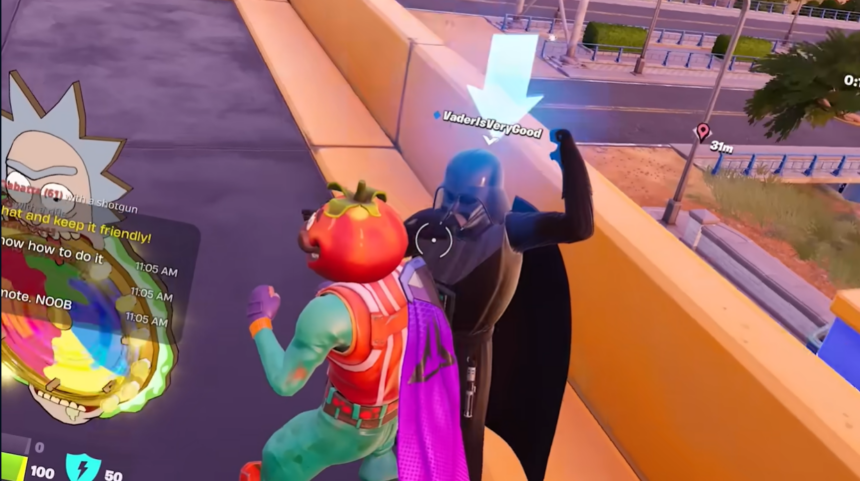
The Brainrot skins did not emerge from nowhere. Over the past year, AI generated visual content has been quietly expanding its presence inside Fortnite, with a recognizable washed out, algorithmically processed look appearing in various corners of the game. The trend grew more visible with the introduction of an AI-rendered version of Darth Vader, which divided opinion even among players who appreciated the original character.
Epic Games CEO Tim Sweeney has been a consistent and vocal advocate for AI integration across the gaming industry. His enthusiasm for the technology has shaped the direction Epic has taken, but it has also placed him at the center of several controversies that have complicated the conversation around AI in games.
The wider controversy around Epic and AI
Sweeney’s pro-AI stance has drawn criticism that extends well beyond unhappy Fortnite players. Earlier this year, he publicly defended the ability of AI systems to generate deeply controversial content, a position that produced significant backlash from creators, players and observers across the industry.
Around the same time, Epic went through a painful round of layoffs, and Sweeney’s framing of AI as a partial solution to the company’s financial pressures struck many as tone deaf. The combination of workforce reductions and public enthusiasm for AI labor left a difficult impression that has colored how players view the company’s creative decisions ever since.
What this means for Fortnite’s future
The timing of the Brainrot collection’s arrival adds another dimension to an already complicated moment for Fortnite. Reports have circulated that Disney, already a significant partner through characters and collaborations, may be exploring a deeper financial investment in Epic, potentially including a full acquisition. If that deal were to move forward, questions about creative direction and AI integration would inevitably become part of the conversation.
For now, the Fortnite community is left weighing a game it largely loves against design choices it largely does not. Ballerina Cappuccina and Tung Tung Tung Sahur may be fringe additions to a catalog that contains hundreds of skins, but they represent something larger: a directional choice about what Fortnite wants to be, and whether the players who built its audience are coming along for that ride.