

One of Pakistan’s most important energy projects has suffered another setback. A sudden collapse deep inside the site sent water rushing into tunnels and forced officials to stop routine work while they assess the damage.
An emergency was declared and routine construction was halted at the Tarbela Dam Fifth Extension Project in Pakistan after a rock mass collapsed during tunnel excavation on Monday, Nov. 9, 2026.
What happened at Tarbela Dam?
The collapse occurred while crews were digging a connecting tunnel, when a weak rock formation suddenly gave way, according to technical bulletins from Pakistan’s Water and Power Development Authority. The tunnel was being dug as part of the second stage of excavation at the site.
The failure broke through a protective earthen barrier, allowing water from the reservoir intake area to rush into tunnels still under construction and the power station works. Water flooded the lower access tunnel, one of the main routes into the work area.
Information about injuries was not immediately available. Officials declared an emergency to protect workers and equipment while crews responded.
Who is building the Tarbela Dam expansion?
The project, designed to add 1,530 megawatts of power, is being built by the Power Construction Corporation of China, a company owned by the Chinese government and known as PowerChina. PowerChina is one of the world’s largest builders of dams and power plants.
It is financed jointly by the World Bank and the Asian Infrastructure Investment Bank, a lender backed by China. International lenders often require strict oversight of the projects they finance.
The new failure has prompted investigations into engineering at Tarbela Dam and the contractor’s work. Authorities are expected to examine whether warning signs were missed.
Has the Tarbela Dam project faced problems before?
Yes. An earlier breach of a temporary barrier known as a cofferdam pushed the target completion date back to around 2028. Costs have risen by more than 285%. That earlier incident also forced crews to pause work while repairs were made.
A cofferdam is a structure built to keep water out of a construction area while work takes place.
The repeated setbacks have raised questions about planning and oversight on one of the country’s most strategic energy ventures. Critics have questioned whether enough was done to study the site’s geology before digging began.
Why does the Tarbela Dam matter to Pakistan?
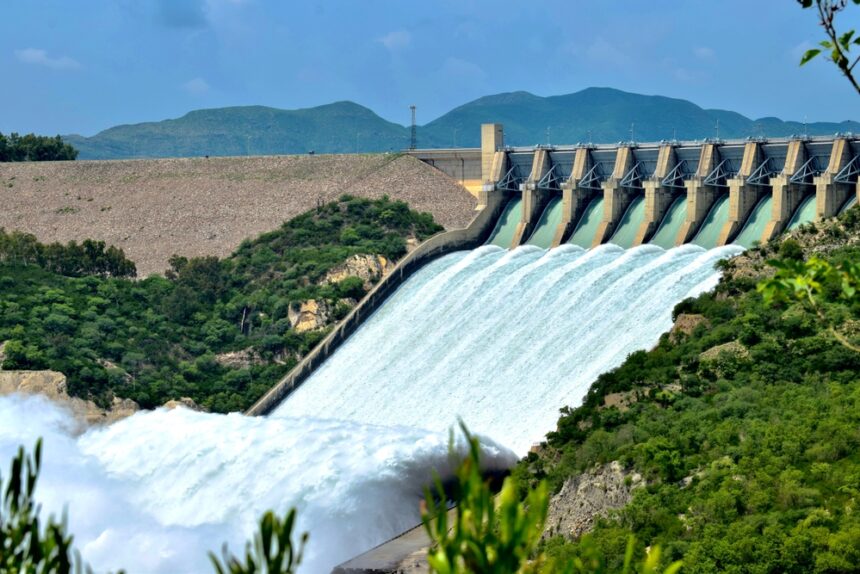
Tarbela Dam, on the Indus River in northern Pakistan, is one of the largest dams of its kind in the world, built mostly from earth and rock. It was completed in 1976. It has long been a cornerstone of the country’s water and power systems.
Pakistan has long struggled with power shortages and high electricity costs. Hydropower provides a cheaper and cleaner source of energy than imported fuel. Many households and businesses face frequent power outages, especially during peak summer months.
The fifth extension was meant to add significant clean power to the grid by using an existing tunnel at the dam. Earlier extensions at Tarbela have already added thousands of megawatts to the national supply.
What happens next?
Engineers will need to assess the damage, pump out floodwater and determine whether the tunnel design or construction methods need to change. That work could take weeks or longer, depending on how much damage the water caused.
The incident could delay the project further and add to its costs, though officials have not given a new timeline. Any further delay could push the completion date beyond 2028.
For a country counting on new power sources, the setback at Tarbela Dam is another reminder of the challenges facing major infrastructure projects. Officials will be under pressure to explain what went wrong.