

Oil and gas producers are about to face fewer federal limits on one of the most potent greenhouse gases. The change could reshape how leaks are found and fixed across the country’s oil fields.
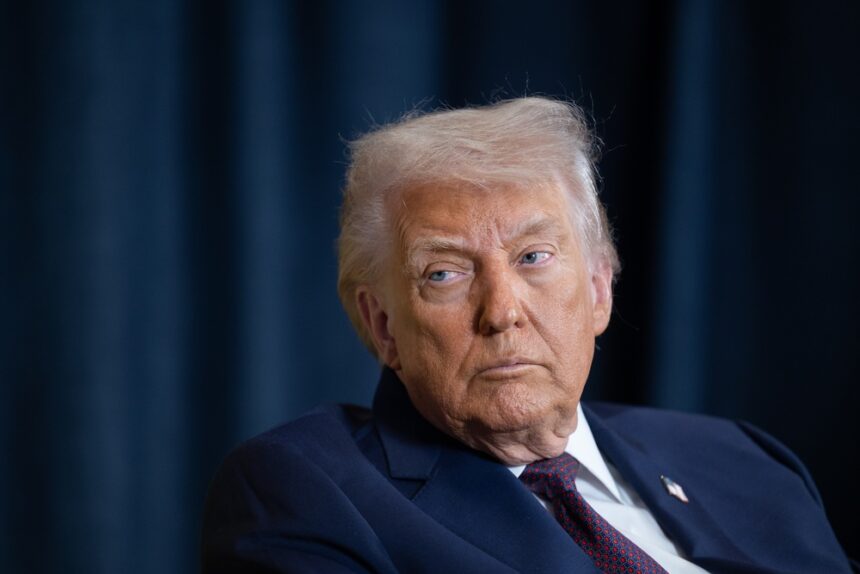
President Donald Trump said Tuesday, Oct. 27, 2026, at a rally in Lubbock, Texas, that his administration is rolling back methane rules for oil and gas producers adopted under former President Joe Biden.
What did Trump announce about methane rules?
Speaking at a rally for Texas Republican Senate candidate Ken Paxton, Trump said he was officially ending what he called expensive and unnecessary regulations, arguing they crushed small operators. Texas is the nation’s largest oil producer, and the Permian Basin near Lubbock is one of the most productive oil regions in the world.
The move eliminates the Environmental Protection Agency’s super emitter program, which lets outside groups use remote sensing to report major methane leaks and requires companies to investigate and fix them. Trump said other requirements under the Clean Air Act already address the risk. The administration had already delayed the program’s start.
The EPA estimates the changes will save consumers and producers $45 billion and help produce an additional 210 million barrels of oil. The EPA has said the Biden rule would have cost the industry about $18 billion.
What else changes under the EPA proposal?
The agency said it is reviewing its overall approach to methane rules covering gas released from oil wells, aiming to reduce regulatory burdens while still meeting Clean Air Act requirements.
It would create separate standards for marginal wells, which produce small amounts of oil and gas, and for larger wells. The EPA said the change would help families who use oil and gas from small wells to heat their homes or run farm equipment.
The agency also proposed changing a standard for covers and closed vent systems so that design and operating requirements are regulated separately.
Why do critics oppose the change?
Methane is the second largest driver of climate change after carbon dioxide, and the oil and gas industry is a major source. Environmental groups say the rollback lets companies keep releasing gas that could be captured and used to power millions of homes. Methane traps far more heat than carbon dioxide in the short term, though it breaks down faster.
Wells that produce little are responsible for almost half of the industry’s methane emissions despite producing less than 5% of the country’s oil and gas, according to the Clean Air Task Force, an environmental group.
The Biden administration projected its methane rules would deliver $98 billion in benefits by 2034, a figure based on estimates of the social costs of greenhouse gases that Trump’s EPA rejects.
How has the fight over methane rules played out?
Earlier efforts to limit methane began under former President Barack Obama and were scaled back during Trump’s first term. Biden’s rules expanded limits to existing wells, not just new ones.
Congress also repealed a separate fee on methane emissions weeks after Trump returned to office last year.
EPA Administrator Lee Zeldin previewed the latest rollback this month at an oil and gas industry meeting in New Mexico, saying the methane rules were holding back American energy production.
What happens next for methane rules?
The proposals must go through a public comment period before they become final, and environmental groups are expected to challenge them in court. Many industry groups have welcomed the changes, saying they will cut costs and boost production.
The fight over methane rules is likely to continue as the administration pushes to expand fossil fuel production.