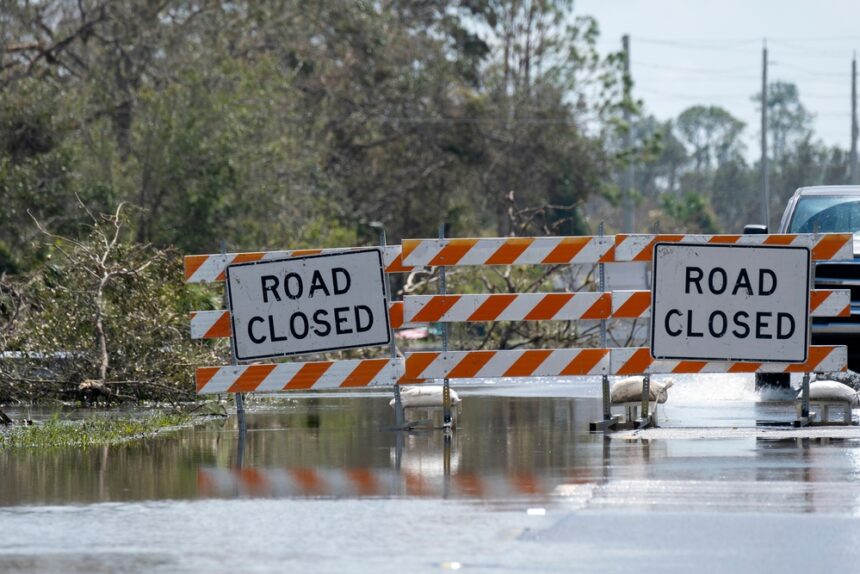
New Mexico’s acting governor declared a state of emergency on Sept. 30 over flooding from the remnants of Hurricane Polo, releasing state funds to communities that have exhausted their own resources.
What was authorised?
Five executive orders, each freeing $750,000, for a combined total of up to $3.75 million directed to the state’s Department of Homeland Security and Emergency Management. The orders instruct the Department of Finance and Administration to release the money, which can be spent on temporary lodging, shelter, healthcare, food and transportation. They also permit the adjutant general to deploy the New Mexico National Guard if local authorities request it.
Who can access it?
Local governments that can demonstrate response costs have exceeded available funds. That threshold is standard in state emergency declarations and means the money functions as a backstop for jurisdictions already spending rather than as a general allocation.
What is the damage so far?
Public infrastructure damaged, transportation routes cut, and homes and businesses threatened, with more rain forecast. The acting governor said communities need help immediately and that local agencies which have run out of money will receive state support.
Where did this weather come from?
A Pacific hurricane that formed off southwestern Mexico in mid September. Polo was a 40 mph tropical storm when it formed and was forecast to intensify rapidly, which it did. Its remnants have carried moisture far inland, which is a common pattern for eastern Pacific systems and the reason a storm that never approached the United States as a hurricane can produce flooding in a landlocked state.
Why does New Mexico flood so readily?
Terrain and ground conditions. Much of the state has steep topography and soils that absorb water poorly, particularly after dry periods, so rainfall runs off rather than soaking in. Areas below recent wildfire burn scars face the highest risk, because vegetation loss and heat hardened soil can turn moderate rain into debris flows that move faster than a person can run.
What should residents do?
Avoid driving through flooded roadways, which is how most flood deaths occur and which applies regardless of vehicle type. Follow local emergency management instructions rather than general forecasts, since evacuation decisions are made at county level. Anyone below a burn scar should treat rainfall warnings more seriously than the amount alone suggests. Standard homeowners insurance does not cover flood damage, and separate policies carry a waiting period, which matters for anyone considering coverage now.
Is federal help available?
Not at this stage. A state declaration is distinct from a federal disaster declaration, which requires a governor’s request and a presidential determination and unlocks considerably larger resources. States frequently act first and seek federal designation later if damage assessments support it.
Where should people get updates?
County emergency management offices and the National Weather Service, which issues flood watches and warnings for specific areas. Conditions described here reflect Sept. 30 and will change.