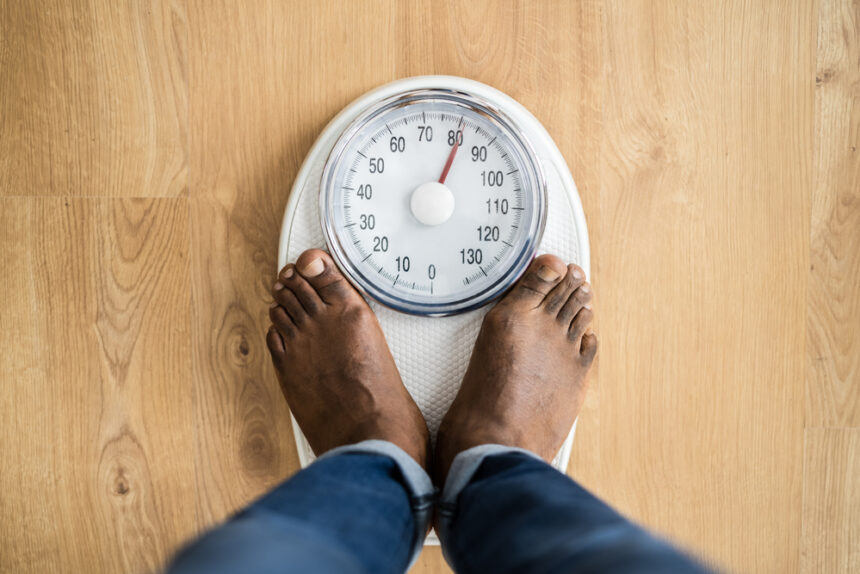
Skinny guys who struggle to put on weight aren’t eating enough to begin with, and that’s really the core of it. Weight gain comes down to consistently taking in more calories than your body burns, and if that surplus isn’t there, no amount of protein shakes or gym sessions will move the number on the scale. Genetics, a fast metabolism, certain medications and underlying health conditions can all make the process harder for some guys than others, but the starting point is almost always the same. You have to eat more, and you have to do it consistently.
How do you know if you’re actually underweight
Being naturally lean and being clinically underweight aren’t the same thing. A body mass index below 18.5 generally signals underweight, and that status has been linked to real health concerns including weakened bone density, fertility issues and a compromised immune system. A BMI calculator can give you a quick read, but a doctor or registered dietitian can tell you whether your weight is actually a problem or just your natural build, and either answer is worth knowing before you start chasing extra pounds.
How many extra calories do you actually need
This is where a lot of guys overcomplicate things. Most people looking to gain weight do well by adding somewhere around 300 to 500 extra calories a day above what they currently burn, which tends to produce roughly half a pound to a pound of gain per week. That’s a pace that favors lean muscle over just packing on fat. Guys who are more seriously underweight, or who’ve tried a modest surplus for three or four weeks without results, may need to push that number higher, but going drastically overboard usually just adds fat you’ll want to shed later. If you want a more exact target, a dietitian can help you calculate your actual daily burn and build a surplus around it.
What foods should skinny guys actually be eating
The food quality question matters here even though calories are king. Building your surplus around nutrient dense whole foods rather than empty junk will help your workouts, your recovery and your mood, and it lowers the odds you’ll gain more fat than muscle along the way. That said, calorie needs on the higher end can be tough to hit on whole foods alone, so leaning on energy dense additions like nut butters, olive oil, whole milk, avocado and dried fruit is a smart way to close the gap without forcing down mountains of food.
Skinny guy weight gain checklist
Eat more often. Three meals a day usually isn’t enough to hit a surplus. Add snacks between meals and treat every eating window as a chance to move the needle.
Load up on calorie dense foods. Oils, nut butters, full fat dairy and dried fruit pack a lot of energy into a small volume, which matters if you struggle to eat large portions.
Prioritize protein at every meal. Protein is what actually gets converted into muscle rather than fat, so build meals and snacks around a solid protein source rather than treating it as an afterthought.
Cook with healthy fats. Fat carries more than double the calories per gram of protein or carbs, and cooking oils like olive or avocado oil add calories without adding bulk to your plate.
Use toppings and add ons. Cheese, nuts, seeds and creamy sauces are an easy way to sneak extra calories into meals you’re already eating.
Track what you eat. It’s nearly impossible to know if you’re hitting a real surplus without logging your intake for at least a few weeks, especially in the beginning.
Stay consistent. Weight gain is slow by design if you want it to stick as muscle. A few weeks of effort won’t show much, but months of consistency will.
When should you talk to a professional
If you’ve been eating more for a month with nothing to show for it, or if your weight loss happened suddenly and you don’t know why, that’s worth a conversation with a doctor rather than pushing harder on your own. A registered dietitian can also build a plan tailored to your specific numbers, which takes a lot of the guesswork out of a process that’s more art than science for a lot of guys.