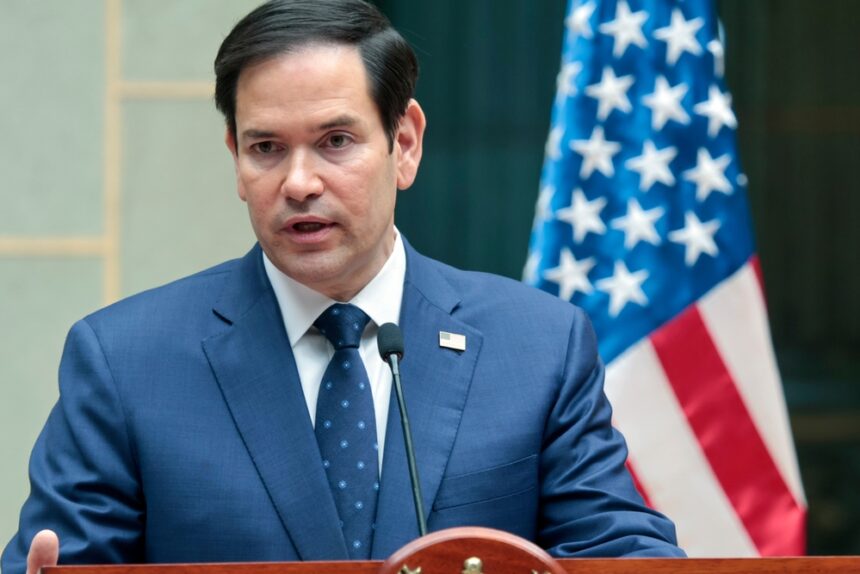
Secretary of State Marco Rubio delivered a pointed warning this week regarding the administration’s approach toward Iran, describing the policy in blunt terms while also urging both Tehran and allied forces in the region to pull back from ongoing attacks on shipping routes across the Middle East.
Speaking to reporters on the sidelines of a regional summit in the Philippines, Rubio characterized the administration’s stance as significantly more forceful than a proportional response, suggesting that any escalation from Iran would be met with a considerably heavier consequence in return.
How Rubio’s comments follow Iran’s own warning
Rubio‘s remarks came just a day after Iran’s foreign minister described his country’s defense approach in more traditional terms, framing it as a measured, proportional response doctrine while warning that any strike on Iranian infrastructure would trigger a forceful and decisive counterresponse. The exchange reflects an escalating rhetorical standoff between the two nations, with each side signaling its willingness to respond forcefully to provocation from the other.
Trump’s warning about the Strait of Hormuz
The comments from Rubio followed a warning issued by President Trump just a day earlier, in which he stated that the United States would respond to any Iranian attack on vessels passing through the Strait of Hormuz by destroying an Iranian bridge or power plant in return. According to the president’s statement, this response would apply regardless of the method used in any future attack, whether by missile, rocket, drone or another weapon entirely. He indicated that potential targets could include infrastructure located in or near the Iranian capital.
What this could mean going forward
Taken together, the statements from both the Secretary of State and the president point to a clearly defined escalation policy tied directly to any future attacks on shipping in the region. With Iran’s own officials signaling a willingness to respond forcefully to any strikes on their infrastructure, the current rhetoric from both sides suggests the situation in the region remains highly volatile, with Rubio‘s comments serving as the latest signal that the administration intends to respond decisively to any further provocation from Tehran or its regional allies.
Whether this exchange of warnings leads to further de-escalation or additional confrontation will likely depend on developments in the coming days, particularly around continued activity in the Strait of Hormuz, a critical corridor for global shipping traffic.