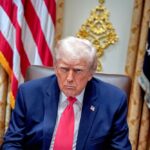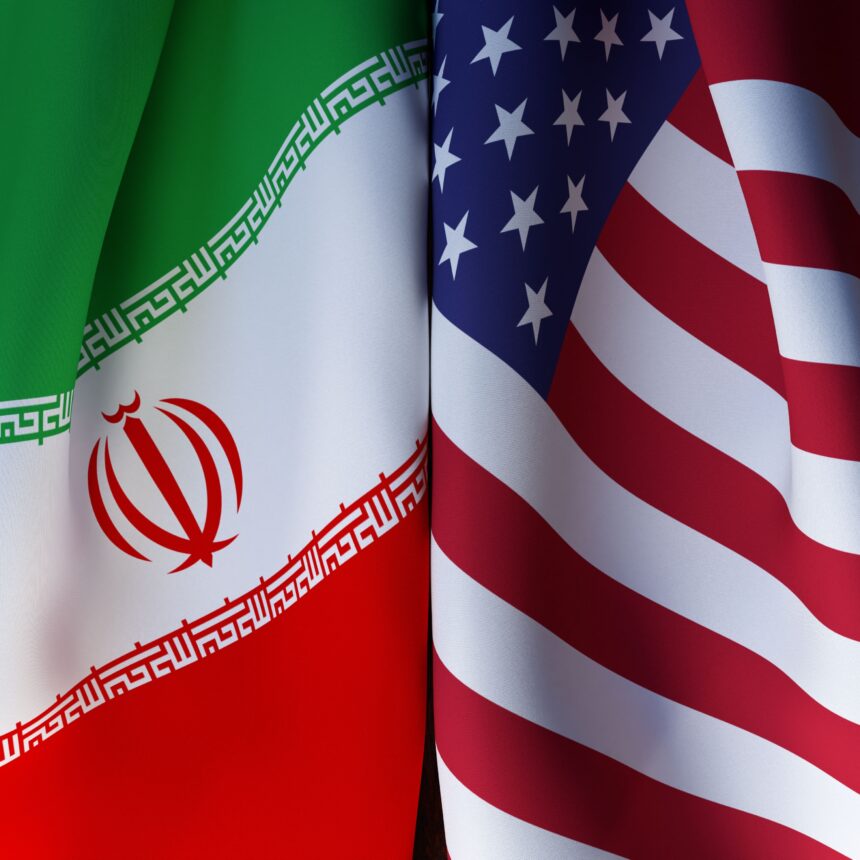
The United States and Iran have arrived at a tentative arrangement to extend their existing ceasefire by 60 days and open a new round of negotiations over Tehran’s nuclear program, according to people familiar with the discussions. The agreement, which still requires final approval from President Donald Trump, represents the most concrete sign of progress since the two countries entered a fragile truce in early April following the outbreak of conflict in late February.
Trump has not yet formally endorsed the terms. Throughout the weeks of diplomacy, both governments have signaled optimism at various points only for the standoff to continue. That pattern of near-breakthroughs has made observers cautious about reading too much into any single development before the paperwork is signed.
What the tentative deal would require
The proposed memorandum of understanding centers on ensuring that commercial shipping through the Strait of Hormuz remains unrestricted, a critical demand from the United States and its allies. Under the terms being discussed, Iran would be required to clear mines from the strait within 30 days of any agreement taking effect.
The effective closure of the strait since the start of the conflict has cut off roughly a fifth of global oil and liquefied natural gas supplies, driving up energy prices and contributing to inflationary pressure in markets around the world. Restoring free passage through the waterway has been a non-negotiable American condition from the beginning of negotiations.
Iran has also been operating a new agency that has been demanding payment from commercial vessels seeking to transit the strait, with some ships reportedly receiving requests for as much as two million dollars for safe passage. The United States Treasury moved against that agency this week, describing its activities as an attempt to extract money through state-backed coercion.
Trump’s red lines and the sticking points that remain
The Vice President confirmed publicly that the two sides are still working through specific language in the agreement, particularly around questions related to Iran’s nuclear capabilities. He described Iran as appearing to negotiate in good faith while acknowledging that the process is continuing.
Treasury Secretary Scott Bessent declined to confirm whether an interim deal had been reached but outlined three conditions Trump has established as absolute prerequisites for any agreement. Those conditions include reopening the Strait of Hormuz to unrestricted commercial traffic, Iran surrendering its stockpile of highly enriched uranium and Tehran agreeing to end its nuclear program entirely.
Beyond those headline demands, negotiators are also working through questions about how much of Iran’s frozen financial assets would be released as part of any agreement and on what timeline. Republican pressure on Trump not to offer significant concessions to Tehran adds another layer of political complexity to a negotiation that is already diplomatically delicate.
Markets react as overnight clashes continue
Financial markets responded to the news of a potential deal with cautious optimism. A broad global equities index climbed to a record high while oil prices pulled back on expectations that a resolution could eventually restore normal energy flows through the Persian Gulf.
The market movements came despite fresh military incidents overnight. American forces shot down Iranian drones that had targeted a commercial vessel and struck a launch unit near the strait in what officials described as a defensive response. Iran separately targeted a base connected to those strikes. Kuwait also intercepted a ballistic missile it attributed to Iran.
Both sides have accused the other of violating the truce while simultaneously continuing to negotiate, a dynamic that underscores just how precarious the current arrangement remains. Trump has threatened to resume large-scale military strikes against Iran if diplomacy fails, while also facing pressure from allied governments and global markets to find a durable resolution before the conflict causes further economic damage.