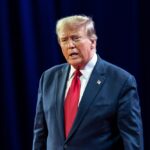
A candid remark from President Donald Trump dismissing concerns about Americans’ financial situations has created an uncomfortable political problem for his party at a moment when inflation data is moving in the wrong direction and the midterm election calendar is drawing closer.
Trump told reporters this week that when dealing with Iran, preventing the country from obtaining a nuclear weapon is the only consideration on his mind, and that he does not factor Americans’ economic circumstances into those decisions at all. The comment was direct and unapologetic, which is consistent with how Trump typically operates. But the timing could not have been more politically complicated for Republicans trying to hold their congressional majorities.
The economic backdrop makes it harder
The Labor Department reported that wholesale inflation jumped to 6 percent in April, up sharply from 4 percent in March, a move attributed in significant part to the ongoing conflict with Iran. That figure followed a separate report showing that consumer prices had risen 3.8 percent over the prior 12 months. Together, the numbers paint a picture of an economy under meaningful inflationary pressure, one that voters are feeling in tangible ways at gas stations and grocery stores.
For Republicans who have spent months arguing that affordability is their defining domestic issue, those numbers and Trump’s comment arriving in the same week created a difficult communications challenge. The party has at various points sought to attribute ongoing inflation to conditions inherited from the Biden administration, but with Trump now approaching the midpoint of his second term, that argument carries diminishing persuasive weight even among some members of his own caucus.
One House Republican acknowledged plainly this week that the current economic conditions now belong to Trump’s presidency, regardless of the circumstances he inherited. He did not abandon the argument that the starting point was unfavorable, but he conceded that the political accountability had shifted.
Trump’s own party pushes back quietly
House Speaker Mike Johnson acknowledged that the Iran conflict had introduced some drag on the affordability picture, while predicting that prices would ease once the military situation was resolved. That framing reflects the official Republican line, which holds that the economic pain is temporary and tied to a specific geopolitical cause rather than systemic policy failure.
Polling released this week complicates that message. A CNN survey found that more than three quarters of Americans, including a substantial share of Republicans and a large majority of independents, said that the current administration’s policies had driven up their cost of living. The same poll found that roughly 75 percent of respondents said the Iran war had negatively affected their personal finances. Those numbers suggest that the promise of future relief is not landing the way Republican leadership intends.
At least one Republican strategist speaking anonymously acknowledged the problem candidly. While crediting Trump for being transparent about his foreign policy priorities, the strategist argued that the president needs to demonstrate a more visible awareness of the economic strain that ordinary Americans are experiencing. The absence of that acknowledgment, the strategist suggested, risks the same political miscalculation that damaged Democrats in the 2024 election cycle, when their failure to connect with voters on inflation became a defining vulnerability.
Democrats move quickly to capitalize
Democrats wasted no time turning Trump’s comment into a campaign asset. Party leaders held a press conference to highlight the remark, framing it as evidence that Republicans in Washington are focused on priorities that do not reflect the daily concerns of working Americans. The contrast between executive preoccupation with geopolitical strategy and constituent frustration over grocery bills and gas prices was the central message.
Democratic operatives described the video clip of Trump’s comment as particularly useful for advertising purposes, noting that it is concise, clear, and requires very little additional framing to be effective. Strategists said they intend to pair the clip with economic data showing rising prices, creating a visual argument that the administration is disconnected from the material realities of everyday life.
That line of attack fits into a broader Democratic effort to portray the Trump administration as more attuned to the interests of wealthy allies than to ordinary voters. Trump’s recent trip to China, during which he was photographed arriving alongside prominent tech and business executives, has been cited by Democrats as further evidence of that dynamic.
What the moment reveals
The political difficulty Trump faces is not simply about one comment. It reflects a genuine tension between the administration’s foreign policy posture and the domestic economic environment that posture has helped create. When presidents pursue military engagement abroad, rising energy prices and supply chain disruptions are often among the consequences. Managing the political fallout from that reality requires both clear communication and demonstrated empathy, two things that Trump’s Iran remark conspicuously failed to deliver.
Whether the damage is lasting will depend on how the conflict develops and whether prices stabilize before voters go to the polls. For now, Republicans are navigating the gap between a president who says what he thinks and a public that wants to know he is thinking about them.