Most people know bananas as a convenient source of potassium, the electrolyte that supports fluid balance, nerve function, and muscle contractions. They are a staple at race finish lines and sports events for good reason. But the benefits of eating bananas regularly extend well beyond athletic recovery, and for people managing their cardiovascular health, the fruit deserves a closer look.
High cholesterol affects millions of American adults and remains one of the leading contributors to heart disease, which is the top cause of death in the United States. When cholesterol levels stay elevated over time, the risk of heart attack, stroke, and other serious cardiovascular events rises considerably. Against that backdrop, cardiologists and cardiac dietitians say that bananas are a genuinely useful addition to a heart-healthy diet, and the science behind why is more interesting than most people expect.
How bananas affect cholesterol
The primary mechanism through which bananas support healthy cholesterol levels is their soluble fiber content. Unlike insoluble fiber, which moves through the digestive system largely intact, soluble fiber is not broken down by the body’s digestive enzymes. Instead, it travels through the gut and binds to bile acids, which are substances the body produces from cholesterol. By trapping those bile acids and preventing them from being reabsorbed, the body is forced to draw on existing cholesterol to produce more, effectively lowering the total amount circulating in the bloodstream.
This process specifically reduces LDL cholesterol, commonly referred to as bad cholesterol because of its association with plaque buildup in the arteries. Bananas are also naturally very low in saturated fat, which compounds their benefit since high saturated fat intake is one of the primary dietary contributors to elevated LDL levels.
Beyond fiber and fat content, bananas contain antioxidants including vitamin C and various plant compounds that help combat oxidative stress and inflammation in the body. Both of those processes have been linked to cholesterol-related complications and broader cardiovascular risk.
What research suggests about the numbers
A scientific study examining daily banana consumption found that eating roughly one large banana per day over a 12-week period improved the ratio of LDL to HDL cholesterol by approximately 11 percent. HDL is often described as good cholesterol because it helps carry LDL away from the arteries and back to the liver for processing. An 11 percent improvement in that ratio from a single dietary addition is a meaningful result.
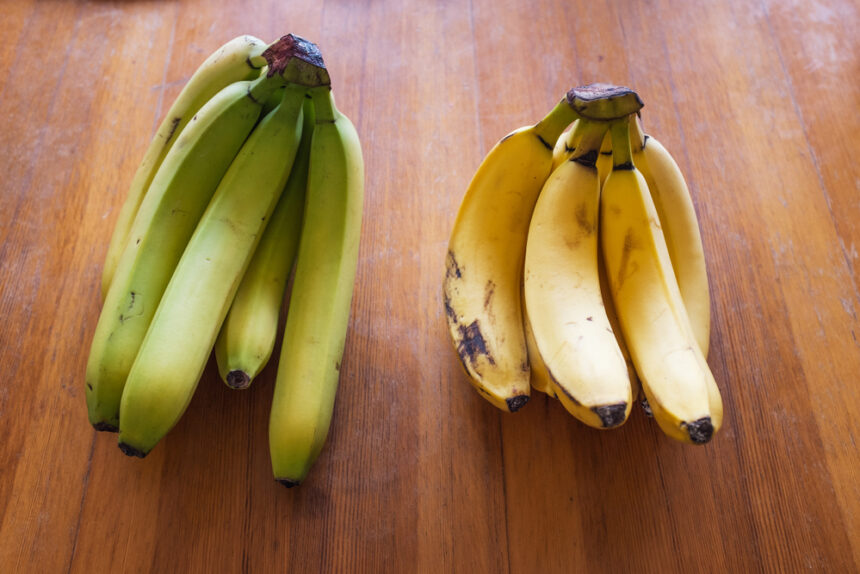
Cardiac dietitians note that ripeness plays a role in how much soluble fiber a banana delivers. Less ripe bananas contain more fiber than fully ripe ones, so reaching for a banana that is still slightly firm rather than deeply yellow or spotted will yield more of the cholesterol-lowering benefit.
That said, moderation matters. Bananas contain a significant amount of natural sugar, and eating them in excess can work against other health goals. Nutrition experts generally recommend no more than one banana per day as part of a balanced diet.
Pairing bananas for greater effect
Eating a banana on its own is already a meaningful step. But pairing it with certain other foods can amplify the cardiovascular benefit considerably.
Oatmeal is one of the most well-documented additions to a cholesterol-lowering diet, and combining it with a banana creates a breakfast with a substantial amount of soluble fiber in a single sitting. Nuts are another strong companion, bringing healthy fats that have been shown to modestly lower LDL cholesterol alongside their own fiber and protein content.
For a more complete meal, layering a banana with Greek yogurt, fresh berries, and a small handful of nuts or seeds creates something nutritionally dense and genuinely satisfying. The yogurt provides protein and a neutral base, the berries add antioxidants, and the nuts contribute the kinds of fats that support healthy blood vessels and overall cardiovascular function.
The cumulative effect of these combinations is greater than any single ingredient alone, which is ultimately the point. Small, consistent dietary choices build on each other over time, and for a fruit as affordable and accessible as a banana, that is a compelling case for making it a regular part of the day.