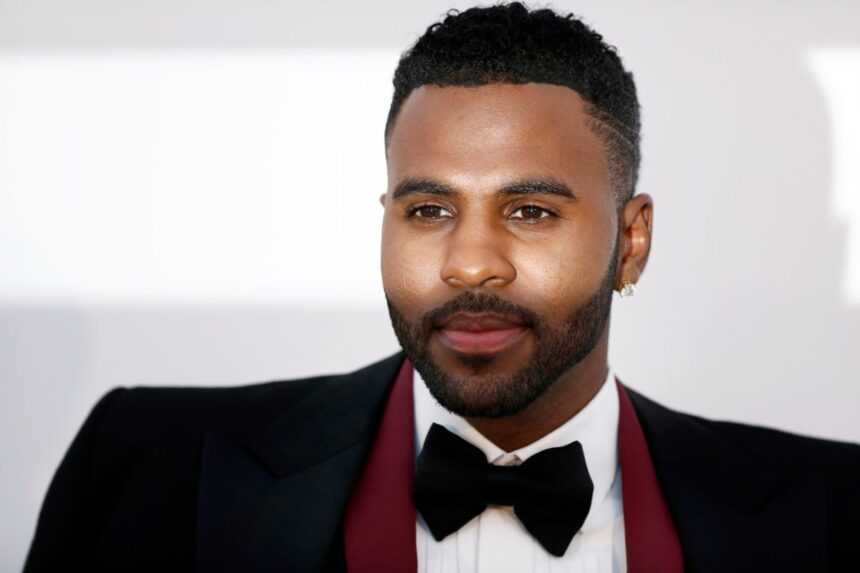
Jason Derulo has prevailed in a copyright trial centered on one of his most recognizable songs. A Los Angeles jury handed down a verdict Thursday in favor of Derulo and Columbia Records, rejecting claims brought by a session musician who argued he deserved writing and production credit on the 2020 hit Savage Love. The verdict was reached after just over a day of deliberation, bringing to a close a legal dispute that had been working its way through the court system for three years.
The case was brought by Matthew Spatola, a guitarist and bassist who played on the track during two studio sessions in April 2020. Spatola argued that his contributions went beyond simply performing the parts he was given, claiming he had a meaningful role in shaping the instrumentals and was therefore entitled to a share of the song’s writing and production royalties.
What the case came down to
Derulo pushed back firmly against that characterization throughout the trial. He maintained that Spatola was a hired player who performed exactly what he was directed to play and contributed nothing to the creative process of building the song. The jury agreed, and as a result Spatola will not recover any royalties from Savage Love, a track that became a genuine cultural moment when it went viral on TikTok in August 2020 and later climbed to the top of the Billboard Hot 100 following a remix featuring BTS.
One of the more revealing details to emerge from the trial was the absence of a formal work-for-hire agreement between the two parties. Such a contract would have clearly established that Spatola held no authorship rights regardless of what he contributed in the studio. Without it, the question of creative ownership had to be argued on the merits of what actually happened during those sessions.
The payment and what it meant
Spatola received a flat fee of $2,000 for his two days of studio work, with the arrangement apparently confirmed through a brief text message exchange rather than any formal documentation. That informal setup ultimately left enough ambiguity for the case to reach trial, even if the jury ultimately found it insufficient to support Spatola’s claims.
The verdict reinforces a principle that comes up repeatedly in music copyright disputes, that performance and authorship are not the same thing. Playing an instrument on a recording, even a significant one, does not automatically translate into a creative stake in the final product, particularly when there is no evidence the musician shaped the underlying composition or production framework.
What the win means for Derulo
For Derulo, the outcome protects the full credit and royalty structure of one of the defining tracks of his career. Savage Love was not just a chart success but a song that reintroduced him to a new generation of listeners at a moment when TikTok was reshaping how music spread and who it reached. Keeping that legacy intact, both creatively and legally, carries real weight.
The swift jury decision also suggests the evidence presented at trial told a fairly clear story. Three years is a long time for a case to move through the system, but once it reached the deliberation room, it did not take long for twelve people to reach a conclusion. For Derulo, that clarity is the best possible ending to a chapter he is now ready to leave behind.