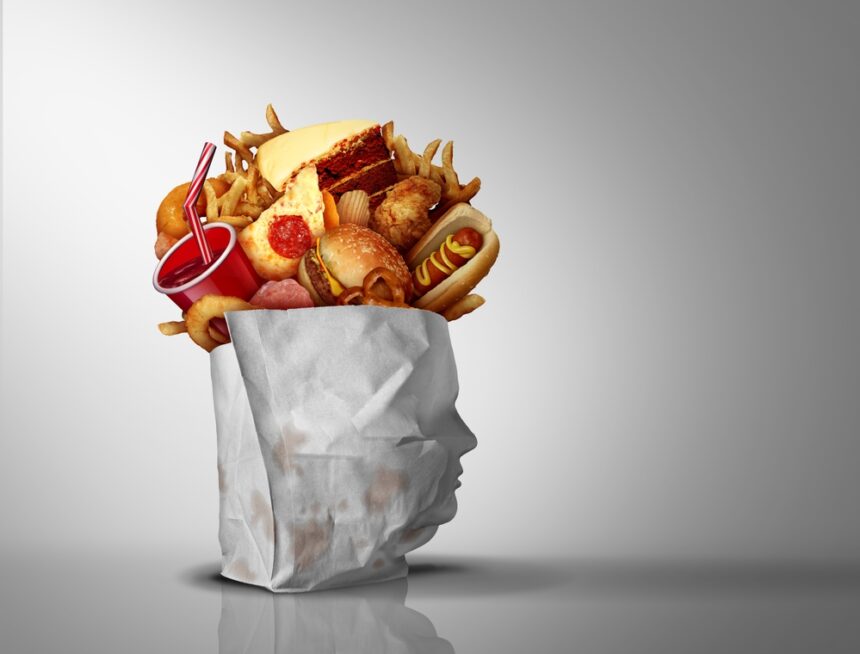
Most people know that stress is hard on the body. Most people also know that reaching for a snacking late at night is not exactly a wellness win. But new research suggests that when those two habits collide, the consequences for digestive health may be significantly worse than either one alone.
A recent study found that people who were already experiencing high levels of chronic stress and who consumed at least a quarter of their daily calories after 9 p.m. were considerably more likely to suffer from constipation and diarrhea. The findings add a meaningful layer to the ongoing conversation about not just what people eat but when they eat it.
What the research found
Researchers drew on data from two separate sources to build their case. The first involved more than 11,000 participants in the National Health and Nutrition Examination Survey. Among that group, individuals with elevated markers of chronic stress who also ate heavily after 9 p.m. were found to be 1.7 times more likely to experience bowel problems compared to those without both risk factors.
A second analysis pulled from over 4,000 participants in the American Gut Project reinforced the pattern even more sharply. In that dataset, people with high stress levels who regularly snacked late at night were 2.5 times more likely to report gut issues. The consistency across two large and distinct datasets lends the findings considerable weight.
Why timing matters more than most people think
The gut does not operate in isolation from the rest of the body. Chronic stress triggers a cascade of physiological responses that affect digestion, altering how efficiently the gut moves food through the system. When late night eating is added into that already disrupted environment, the body faces competing demands at a time when it would naturally begin winding down.
Researchers behind the study point to structured meal timing as one practical way to reduce the risk. Eating at consistent, earlier times throughout the day may help the digestive system maintain a more predictable rhythm, which in turn supports healthier gut function over time.
Snacking itself is not the enemy
The takeaway here is not that enjoying food in the evening is inherently off limits. Occasional indulgences are a normal and enjoyable part of life. The concern is more specifically about the combination of chronic stress and a consistent pattern of heavy late night eating, particularly when that pattern becomes a habit rather than an exception.
For people who find themselves regularly eating large portions of their daily intake after 9 p.m., especially during high-stress periods, it may be worth experimenting with shifting some of those calories to earlier in the day. Even modest adjustments to meal timing, done consistently, could make a measurable difference in how the gut feels and functions over time.
The research adds to a growing body of evidence that digestive health is shaped not only by diet quality but also by lifestyle patterns, stress levels, and the rhythms we build around eating each day.