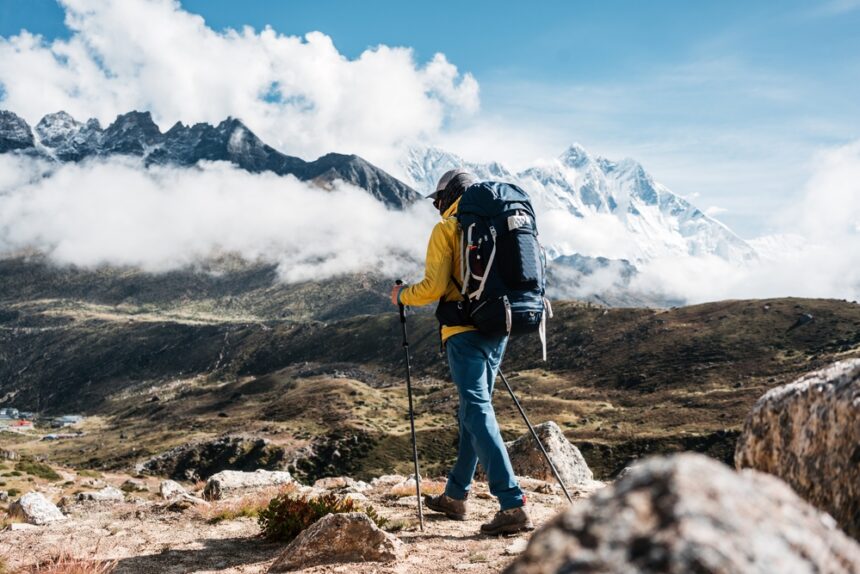
There is something undeniable about lacing up a pair of boots, throwing on a pack, and heading into the wild. Hiking is one of the oldest forms of human movement — and it remains one of the most powerful. Not just for the body, but for the mind, the spirit, and the soul. In a world that rarely slows down, the trail forces a necessary pause. And that pause changes everything.
Whether stepping onto a local nature path for the first time or pushing through high-altitude terrain with trekking poles in hand, hiking meets every person exactly where they are. The entry point is low. The ceiling is limitless. And the benefits stack up fast.
Why Hiking Belongs in Every Wellness Routine
Hiking is no longer just an adventure sport reserved for the outdoorsy few. It has become a full-blown wellness movement — and for good reason. Studies link regular time on the trail to lower cortisol levels, improved cardiovascular health, stronger muscles, and sharper mental focus. The outdoors is, quite literally, medicine.
Here are 10 powerful ways hiking transforms the body and mind:
- Boosts cardiovascular health. Hiking elevates the heart rate in a sustainable, low-impact way. Regular trail time strengthens the heart, improves circulation, and reduces the risk of high blood pressure over time. Even a moderate hike delivers measurable cardio benefits.
- Builds functional strength. Climbing inclines, navigating uneven terrain, and carrying a loaded pack engages the glutes, hamstrings, calves, and core simultaneously. Hiking builds real-world strength that gym machines often cannot replicate.
- Reduces stress dramatically. Nature has a proven calming effect on the nervous system. Time away from screens, city noise, and daily pressure allows cortisol levels to drop and mental clarity to rise. The trail is one of the most accessible forms of stress relief available.
- Improves mental health. Hiking is increasingly recommended as a complement to mental health treatment. The combination of physical movement, fresh air, and natural surroundings has been shown to reduce symptoms of anxiety and depression significantly.
- Strengthens bone density. Weight-bearing exercise like hiking puts healthy stress on bones, encouraging them to grow stronger. This is especially important for long-term health as the body ages.
- Sharpens focus and creativity. Stepping away from constant digital stimulation and immersing in nature resets the brain. Many hikers report returning from the trail with clearer thinking, better problem-solving ability, and a renewed sense of creativity.
- Promotes better sleep. Physical exertion combined with fresh air and natural light exposure helps regulate the body’s internal clock. Hikers consistently report deeper, more restful sleep on days they spend time on the trail.
- Burns serious calories. Depending on terrain, pack weight, and pace, hiking can burn between 400 and 700 calories per hour. It is one of the most efficient calorie-burning activities that does not feel like traditional exercise.
- Builds community and connection. The trail is one of the great equalizers. Group hikes foster genuine connection, shared challenge, and mutual encouragement. Hiking clubs and trail communities are among the most welcoming spaces in the outdoor world.
- Develops mental toughness. Every difficult climb, every moment of fatigue, and every decision made mid-trail builds resilience. Hiking trains the mind to push through discomfort — a skill that carries over into every area of life.
Hiking as a Lifestyle, Not Just a Hobby
The most transformative shift happens when hiking stops being an occasional activity and becomes a consistent part of life. Starting with shorter, manageable trails and gradually building distance and elevation is the most sustainable approach. The goal is not to conquer every peak — it is to keep showing up.
Gear matters, but it does not have to be expensive to start. A solid pair of trail shoes, a reliable daypack, water, and sun protection are enough to begin. As confidence and endurance grow, so does the gear list.
Getting Started on the Trail
For those brand new to hiking, here is a simple starting framework:
- Choose a trail rated easy or moderate for the first few outings
- Start with distances between two and five miles
- Bring more water than expected — at least half a liter per hour of activity
- Tell someone the planned route and estimated return time
- Download an offline trail map before leaving cell service
The trail does not judge. It simply rewards those who show up.
The Long Game
Hiking is one of the few pursuits that gives back more than it takes. Every step forward on the trail is an investment — in health, in clarity, in strength, and in community. The mountain does not care about the starting point. It only cares that the journey begins.
Lace up. Step out. The trail is ready when you are.