Among the first things that happen after a baby is born in a hospital setting is a short checklist of preventative care. A physical exam, a heel prick blood screening, eye ointment, a hepatitis B vaccination, a hearing test and a vitamin K injection. Most parents accept these without much thought. But a growing number are pushing back on the vitamin K shot specifically, and new research suggests that trend is accelerating in ways that worry pediatricians.
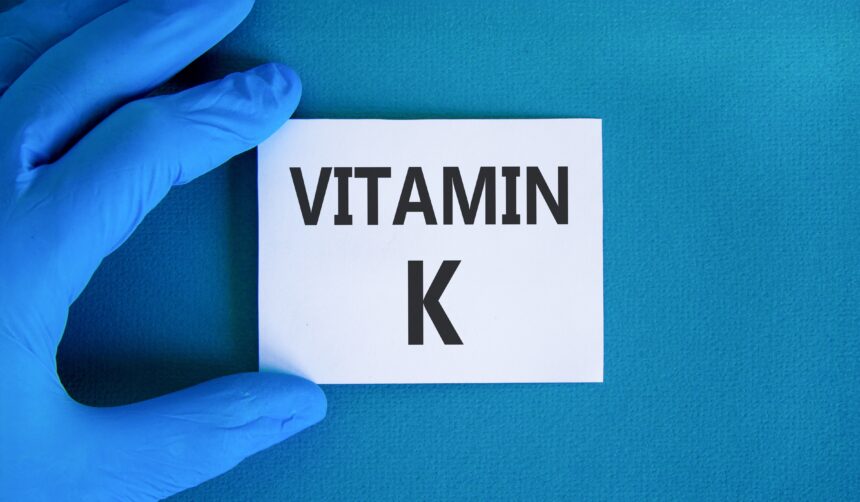
Vitamin K injections have been a standard of care for newborns in the United States since 1961, when the American Academy of Pediatrics first recommended them. The body relies on vitamin K to enable blood clotting, and newborns arrive in the world with very little of it. The vitamin does not transfer efficiently from mother to baby during pregnancy, the infant gut has not yet developed the bacteria that help produce it, and breast milk alone does not provide sufficient amounts.
Without that early injection, babies face an elevated risk of vitamin K deficiency bleeding, or VKDB, for the first six months of life. The condition can cause internal bleeding with little to no warning, and roughly half of affected infants experience bleeding in the brain. Estimates place the likelihood of VKDB in unvaccinated newborns somewhere between one in 250 and one in 60 babies.
The numbers are heading in the wrong direction
Parental refusal of the vitamin K shot is not a new phenomenon, but it has historically been more common in home births and other non-hospital settings. What is new is the scale at which it appears to be happening within hospitals.
A research team tracked vitamin K administration rates in hospital births over several years and found a clear upward trend in refusals. In 2017, just under 3 percent of hospital-born babies were not documented as receiving the shot. By 2024, that figure had climbed to more than 5 percent. Researchers attributed the shift primarily to parental refusal, noting that the shot is offered routinely and that other explanations for a baby not receiving it are uncommon.
The researchers leading the study expressed concern that the rise reflects a broader shift in how some parents are relating to standard newborn medical care, particularly in an era of widespread health misinformation.
What is driving the refusals
The anti-vaccine movement, which gained considerable momentum in the years following the COVID-19 pandemic, appears to be a factor. Some parents who are skeptical of or opposed to childhood vaccines have begun placing the vitamin K shot in the same category, even though it is an injection of a naturally occurring nutrient rather than a vaccine.
An older study from 1990 suggested a possible link between the vitamin K shot and certain types of childhood cancer. That early finding prompted significant scientific scrutiny, and the research that followed found no actual connection. The claim has been thoroughly examined and set aside by the broader medical community, but it continues to circulate in online spaces where vaccine skepticism is common.
What the evidence actually shows
The vitamin K shot has a safety record spanning more than six decades with no credible evidence of associated risks. The only documented consequence of skipping it is an increased chance of serious and potentially fatal bleeding in the first months of life. Some warning signs, including dark stools and unusual bruising, may appear before a bleeding event, but for many affected infants there are no external signals at all before a medical emergency develops.
Pediatricians consistently recommend the shot for all newborns and encourage parents who have concerns to raise them with their obstetrician or pediatrician before delivery, so that those conversations can happen thoughtfully and without time pressure in the delivery room.