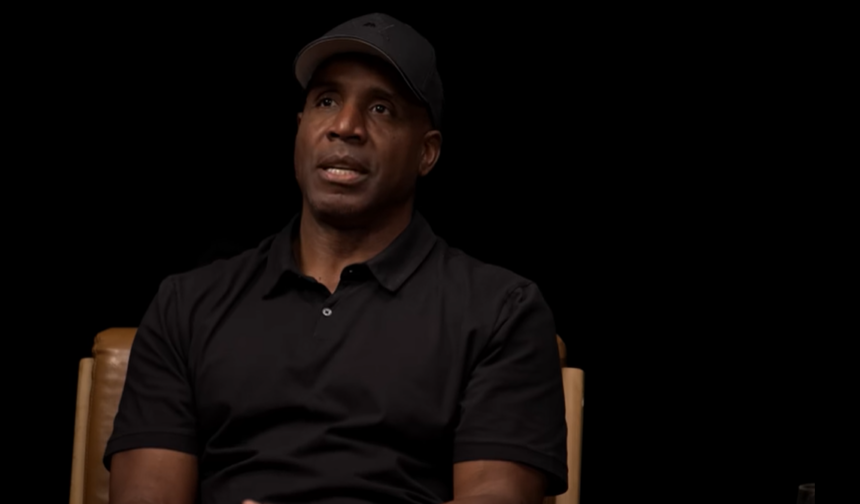
Barry Bonds is opening up about a turning point that could have rewritten Major League Baseball history. During a recent appearance tied to Netflix’s broadcast of an Opening Night game between the San Francisco Giants and the New York Yankees, the former slugger reflected on how close he came to wearing pinstripes.
At the center of the story is a single phone call that ultimately redirected his path. At the time, Bonds was one of the most coveted players in the league and was exploring free agency after an already decorated run with the Pittsburgh Pirates. His next move carried enormous weight, not just for his career but for the balance of power in baseball.
The unexpected ultimatum
According to Bonds, the decision came down to 1 tense interaction with Yankees owner George Steinbrenner. The conversation quickly shifted from opportunity to pressure when a strict deadline was introduced alongside a lucrative offer.
Rather than embracing the deal, Bonds reacted instinctively. The demand for an immediate commitment did not sit well, and he chose to step away instead of rushing into a contract. That split-second choice proved to be pivotal.
His agent, Dennis Gilbert, questioned the move, recognizing the magnitude of the opportunity. Still, Bonds leaned into his instincts, opting for clarity over urgency. In that moment, he decided to return to familiar ground rather than take a leap into uncertainty.
Choosing home over history
1 decision ultimately led Bonds back to San Francisco, where he signed a then-record deal with the Giants. The move was not just professional but deeply personal. His connection to the franchise ran through family ties, including his father’s time with the team and his relationship with Willie Mays, who remained closely linked to the organization.
That sense of belonging helped solidify his choice. Instead of joining one of baseball’s most storied franchises, Bonds chose a path rooted in legacy and familiarity.
Building a dominant run in san francisco
2 chapters of Bonds career unfolded with remarkable success after his return to the Giants. From 1993 through the early 2000s, he delivered one of the most dominant stretches the sport has seen. His offensive production reached historic levels, highlighted by towering home run totals and unmatched plate discipline.
During this period, Bonds collected multiple MVP honors and established himself as one of the most feared hitters in baseball. His achievements included record breaking performances that would define an era and cement his place among the game’s elite.
By the time his career concluded, Bonds stood as MLB’s all-time home run leader with 762. He also became the only player to combine more than 500 home runs with 500 stolen bases, a testament to his rare combination of power and athleticism.
What the yankees missed
3 possibilities linger when considering what might have happened had Bonds accepted the Yankees offer. Throughout the late 1990s and early 2000s, New York built a championship dynasty, capturing multiple World Series titles.
Adding a player of Bonds caliber to that roster could have reshaped those already dominant teams into something even more formidable. At the same time, Bonds himself never secured a World Series title, leaving open the question of how his legacy might look with a championship ring.
The ripple effects of that missed partnership extend beyond individual accolades. It raises the possibility of a dramatically different competitive landscape across the league.
A split second decision with lasting impact
4 decades later, the story remains a powerful example of how quickly fortunes can change in professional sports. A single conversation, shaped by timing and tone, altered the direction of one of baseball’s most iconic careers.
Bonds’ choice reflects the unpredictable nature of free agency, where personal values and instinct can outweigh even the most lucrative opportunities. His decision not only defined his journey but also influenced the trajectories of two historic franchises.
In the end, what seemed like a fleeting moment became a defining chapter in MLB history, proving that sometimes the smallest decisions carry the greatest impact.