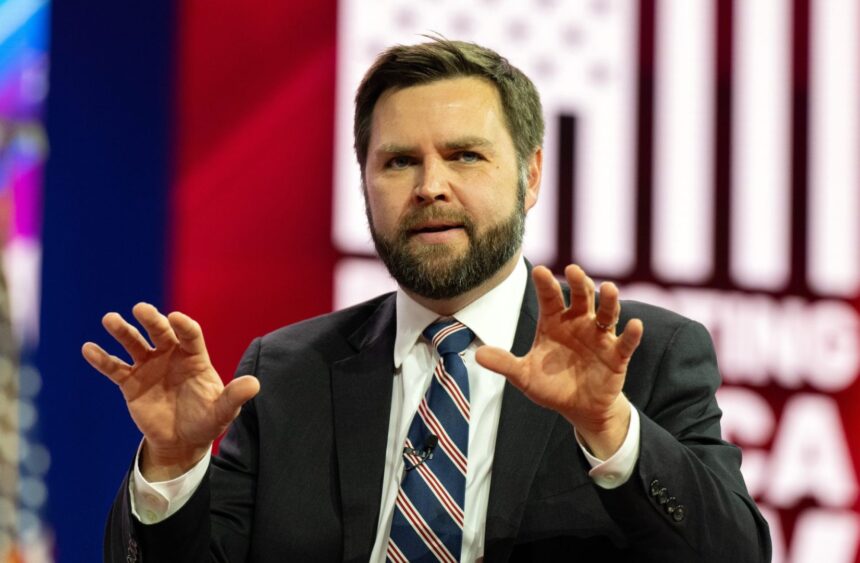
The diplomatic landscape between the United States and Iran just shifted in a significant and unexpected direction. Iran has formally signaled that it will no longer engage in nuclear negotiations with the two American envoys who have been leading those talks, and has instead named Vice President JD Vance as the only figure it considers a credible counterpart at the table.
The development marks a sharp escalation in the conditions Iran is placing on any future dialogue, and it adds a new layer of complexity to an already volatile situation between the two countries.
Why Witkoff and Kushner are out
Until recently, nuclear negotiations between Washington and Tehran were being led by Steve Witkoff, Trump’s Special Envoy to the Middle East, and Jared Kushner, the president’s son-in-law. Both men were central to the diplomatic framework that was in place when the United States launched military strikes against Iran more than three weeks ago.
Iran’s position is that those negotiations were never conducted in good faith. Tehran now views the entire pre-strike negotiation process as a deliberate strategy by the Trump administration to keep Iran engaged diplomatically while preparing to attack. In the eyes of the Iranian government, Witkoff and Kushner are not neutral parties. They are figures associated with what Iran describes as a pattern of deception, and it has made clear through diplomatic channels that no productive outcome can emerge from talks led by either man.
Why Vance is different
Iran’s preference for Vance is not arbitrary. The vice president has a well-documented track record of skepticism toward American military intervention abroad. A Marine veteran who served in public affairs during the Iraq War, Vance has consistently questioned the value of foreign military engagement throughout his political career. That position, which has at times put him at odds with more hawkish voices within his own party, appears to be precisely what makes him appealing to Tehran as a negotiating partner.
From Iran’s perspective, Vance represents a lane within the Trump administration that is not defined by aggression. Whether that perception holds up under the pressure of actual negotiations remains to be seen, but the signal Iran is sending is clear.
Pakistan steps forward
As the conditions around any potential talks continue to take shape, Pakistan has emerged as a possible host for future negotiations. Pakistani Prime Minister Shehbaz Sharif has been in contact with Iranian President Masoud Pezeshkian, and the two leaders have expressed mutual agreement on the need for urgent de-escalation and dialogue. Sharif has publicly offered Islamabad as a venue and indicated Pakistan’s readiness to facilitate a comprehensive settlement.
Other locations including Egypt, Turkey and Qatar have been discussed as potential sites, but Tehran’s preference is reported to be Islamabad. No official host has been confirmed.
The Strait of Hormuz and rising pressure
Hovering over all of this is the continued closure of the Strait of Hormuz, which Iran has used as its most powerful point of leverage since the conflict began. The closure has driven up oil and gas prices within the United States, creating domestic economic pressure that the White House cannot easily ignore.
Over the weekend, Trump issued a public threat to destroy Iranian power infrastructure if the Strait was not reopened within 48 hours. That deadline passed without action. Trump subsequently claimed that productive conversations with Iran were underway. Iran denied that any such conversations had taken place, describing the claim as an attempt to walk back a threat that had gone unanswered.
The gap between what each side is saying publicly has never been wider, and the question of who sits across the table next may determine whether that gap narrows or grows.