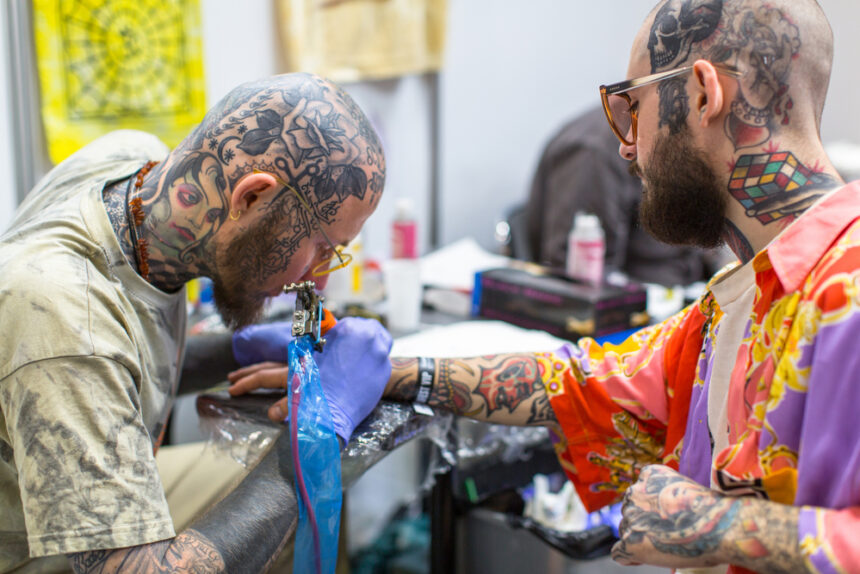
Getting a tattoo is one of the boldest decisions a person can make. It is permanent, personal, and powerful — and when done right, it becomes one of the most rewarding forms of self-expression imaginable. But walk into a studio unprepared, and that excitement can quickly turn into something far less welcome. Before the needle touches skin, there are essential things every first-timer needs to understand.
Think Hard Before You Commit to Any Tattoo Design
A piece of ink lives on the body forever. While removal technologies exist, they are expensive, painful, and may not completely erase the design. That reality alone should inspire serious thought before booking any appointment. The design chosen today needs to feel just as meaningful years down the road.
Small, highly detailed tattoos generally do not age well. Fine lines thicken over time, darker colors fade, and crisp edges grow softer. Simpler designs tend to hold up far better over the long run, making them a smarter choice for a first tattoo.
Choosing the Right Tattoo Artist Changes Everything
Not all artists are created equal, and this decision carries more weight than most first-timers realize. Research the best tattoo artists in the local area, read reviews, ask for referrals from trusted friends, and study every vetted artist’s portfolio on their website or Instagram feed.
Key things to look for when vetting a tattoo artist:
- Specialization in the style desired (realism, traditional, fine line, geometric)
- Both fresh and healed portfolio photos — healed work reveals true quality
- Verified studio licensing and hygiene certifications
- Transparent pricing and a willingness to do consultations
A good tattoo is not cheap, and a cheap tattoo is rarely good. This is not the moment to cut corners or chase a discount.
Prepare the Body Properly Before the Appointment
The condition of the skin on appointment day directly affects the quality of the finished piece. Staying well-hydrated is critical — dehydration can lead to feeling faint during the session, and dry, flaky skin makes the artist’s job significantly harder.
Here is what to do and avoid before sitting in the chair:
- Do eat a solid meal with protein and complex carbohydrates before arriving
- Do wear loose, comfortable clothing that gives the artist easy access to the area
- Avoid aspirin and ibuprofen for at least 24 hours — both thin the blood
- Avoid alcohol entirely before the session for the same reason
- Avoid applying numbing creams without consulting the artist first, as they can affect skin elasticity and the quality of the finished work
Placement Matters More Than Most People Expect
Where a tattoo lands on the body shapes both the experience and how it ages. Bony spots like the ribs, spine, wrists, and ankles rank among the most painful placements. Fleshier areas like the bicep, outer thigh, and forearm are generally far more manageable for beginners.
Many artists avoid tattooing the hands, neck, or face for first-timers — not as a personal judgment, but as a professional decision to help clients start with something easier to maintain.
Tattoo Aftercare Is the Final Piece of the Puzzle
Proper aftercare is what separates a vibrant, lasting piece from one that fades fast or heals poorly. Avoiding direct sunlight, soaking in water, and picking at the healing skin are non-negotiable rules during the first weeks of recovery.
Long-term, the sun’s UV rays are the number one cause of fading. Applying high-SPF sunscreen daily to exposed tattoos is the single most impactful habit for keeping ink sharp for decades.
A tattoo is not just body art — it is a permanent piece of personal history. Going in informed, prepared, and intentional makes all the difference between a decision celebrated for life and one quietly regretted.