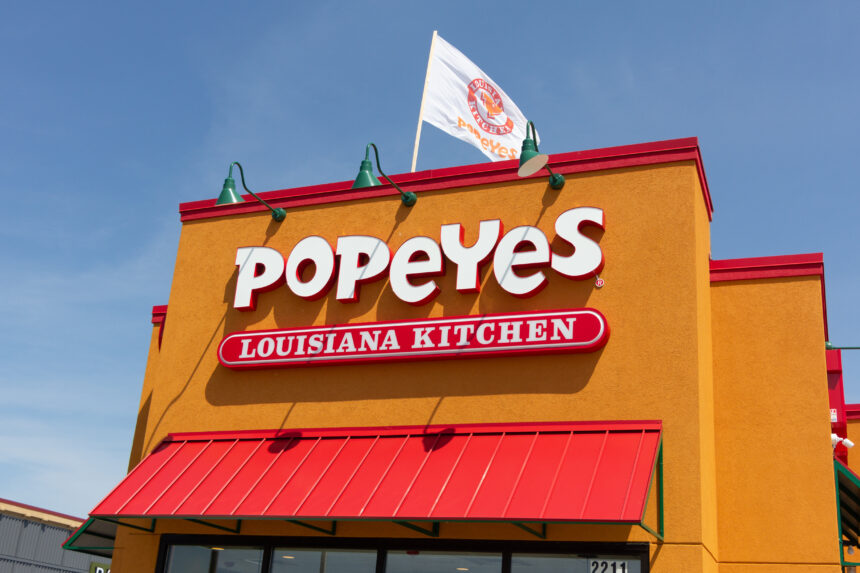
Fried chicken was the most popular subsector of the fast food industry in 2025, with traffic to chicken concepts rising 3% for the year ending September 2025 even as the broader industry declined by 1%, according to market research firm Circana. That rising tide, however, was not enough to keep one of Popeyes’ largest domestic franchisees afloat. Sailormen Inc., a Miami based operator that once ran more than 136 Popeyes locations across Florida and Georgia with approximately 2,900 employees, filed for Chapter 11 bankruptcy protection on Jan. 15, 2026.
The filing came after a year of compounding financial pressure that included a failed attempt to sell certain locations, a default on credit facilities, a series of lawsuits and the closure of 20 restaurants. Sailormen was founded in 1987 and grew over nearly four decades into one of the most significant operators in the Popeyes system before the combination of economic headwinds and operational challenges proved too much to absorb.
A wave of closures followed the bankruptcy filing
Within days of filing for Chapter 11 protection, Sailormen moved quickly to shut down unprofitable locations. Eight restaurants closed on Jan. 19, five more on Jan. 20 and four additional locations on Jan. 22 a rapid sequence that reflected how urgently the company needed to reduce its overhead. The company subsequently filed a motion in the U.S. Bankruptcy Court for the Southern District of Florida to reject the unexpired leases on all 17 of those closed locations.
A further motion filed on March 10 sought to reject leases on three additional locations in Brunswick, Baxley and Homerville, Georgia, bringing the total number of closed locations to 20. Sailormen is currently removing equipment and personal property from those sites, with assets expected to be reallocated or sold. The company has not disclosed the number of employees affected by the closures.
What closing 20 locations is expected to save
Sailormen’s bankruptcy filings make the financial logic behind the closures explicit. The company believes that eliminating the 20 unprofitable locations will reduce its selling, general and administrative expenses by more than $1 million annually a meaningful figure for an operator under significant financial stress. The argument underpinning the lease rejection motions is that the restaurants closed within one week of the bankruptcy petition date, before the first-day motions hearing, and should therefore be treated as rejected from the petition date itself.
The company is now pursuing a broader resolution through the bankruptcy process, having filed a bidding and sale procedures motion on March 13 that seeks to sell its assets through a Section 363 auction. Sailormen plans to identify a stalking-horse bidder to submit an opening offer, with its secured creditor permitted to credit-bid the prepetition debt owed to it. The auction process will determine whether the remaining assets find a buyer and under what terms.
The pressures that brought a 136 location operator down
Sailormen attributed its financial collapse to a combination of factors that have challenged restaurant operators across the country over the past several years. The lingering disruption of the pandemic on restaurant operations, shifting consumer preferences, high inflation, rising interest rates and a persistently limited qualified labor pool all contributed to the deterioration of the company’s financial position.
The timing is notable given how well the broader fried chicken segment has performed. Industry expert Reilly Newman of Motif Brands attributed the category’s continued popularity to the variety of Popeyes chicken formats available pieces, fingers, sandwiches and the experiences that fried chicken brands have built around those options. The experience economy, as Newman described it, has taken root globally and chicken concepts have benefited disproportionately.
That industry level success, however, could not offset the specific combination of lease obligations, debt service, legal exposure and labor costs that weighed on Sailormen’s individual operations. The distinction between a popular category and a profitable franchisee is one that the company’s bankruptcy filing makes uncomfortably clear.
What comes next for Sailormen’s remaining assets
The Section 363 auction process initiated by Sailormen’s March 13 motion will be the next significant development in the case. The outcome will determine what portion of the company’s remaining assets locations, equipment and operational infrastructure can be transferred to new ownership and under what financial terms. The bankruptcy court will oversee the process, with creditors, landlords and the secured lender all holding stakes in the outcome.
For the communities in Florida and Georgia where Sailormen operated, the closures represent the loss of both local restaurants and the employment they supported. Whether the auction process produces a buyer willing to reopen and operate any of those locations remains to be determined.