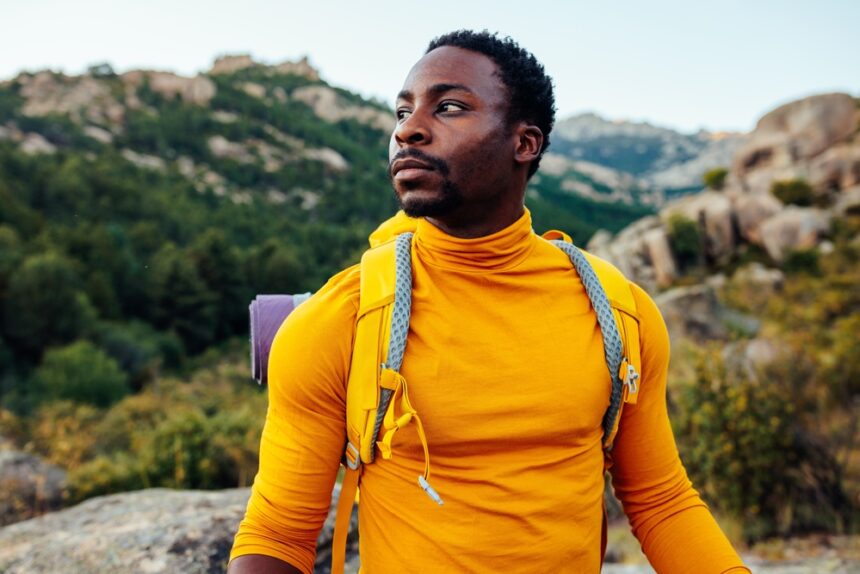
Not every life-changing workout happens inside a gym. Sometimes, all it takes is a good pair of boots, an open trail, and the willingness to move. Hiking has quietly become one of the most well-researched and widely recommended forms of exercise on the planet — and for good reason. It is free, accessible, and backed by a growing body of science that confirms what outdoor enthusiasts have always known: time spent on the trail is time well invested.
Whether you are a seasoned trekker or someone who has never set foot on a dirt path, the case for hiking has never been stronger. The physical rewards are well documented, but the mental and emotional benefits are just as compelling. Here is why lacing up and heading outside could be the single best decision you make for your health this year.
Hiking Builds a Stronger, Healthier Heart
Even light hiking raises the heart rate to a moderate level, improving aerobic fitness and endurance over time. The uneven terrain of a trail demands far more from your cardiovascular system than a flat sidewalk ever could. Navigating uphill stretches means your body naturally alternates between low- and high-intensity effort — delivering many of the same benefits as structured interval training without ever stepping foot in a gym.
A stronger heart pumps more blood with less effort, reducing pressure on the arteries and lowering the long-term risk of hypertension. Regular hiking also helps normalize cholesterol levels, manage blood sugar, and significantly cut the risk of heart disease over time. Few exercises deliver this kind of cardiovascular return with this little barrier to entry.
It Is a Full-Body Workout in Disguise
Most people think of hiking as a leg day activity — and they are not wrong. But the benefits extend far beyond the lower body. Hiking simultaneously targets the quadriceps, hamstrings, hip flexors, calves, glutes, and core. Add trekking poles to the equation, and the arms and shoulders join the effort too, turning every outing into a true full-body session.
Here is what your body is doing on a single hike
- Building lower body strength on every incline and descent
- Engaging the core constantly to maintain balance on uneven terrain
- Burning significantly more calories than walking on flat ground
- Delivering up to four times greater weight loss than indoor exercise
- Improving coordination, stability, and posture with every step
The increased complexity of trail movement creates a greater physical challenge than most people anticipate, making hiking one of the most efficient calorie-burning activities available to anyone regardless of fitness level.
The Mental Health Rewards Are Just as Powerful
The physical gains are only half the story. A Stanford University study found that time spent in nature calms the portion of the brain linked to negative thought patterns and chronic mental stress. Subjects who completed a 50-minute nature walk reported significantly less anxiety, less rumination, and far more positive emotions compared to those who walked along paved urban roads.
The environment matters just as much as the movement itself. Sunlight exposure on the trail boosts vitamin D levels, which supports mood regulation and energy. The combination of fresh air, natural scenery, and rhythmic movement creates a mental reset that no indoor workout can fully replicate. For anyone managing stress, low energy, or persistent tension, the trail is one of the most underrated wellness tools available.
How to Start Hiking the Right Way
Getting started does not require prior experience or expensive gear. The key is matching trail difficulty to your current fitness level and building gradually from there. Here is a simple beginner framework to follow
- Month 1 — Three 25-to-30-minute hikes per week on flat terrain
- Month 2 — Add uphill segments to each session, working toward 150 minutes per week
- Ongoing — Gradually increase distance, elevation gain, and frequency as your body adapts
Always check weather and trail conditions before heading out. Look for trails with clearly rated difficulty levels and accessible water sources along the route. Dress in moisture-wicking layers, wear broken-in footwear, and carry more water than you think you need — especially on warmer days.
The best part about hiking is what it does not require. No membership fees, no equipment costs, no fixed class schedule. Just an open trail, a willing body, and every reason in the world to keep moving forward.