A new documentary goes where the highlight reel never did, and the portrait it finds is extraordinary and heartbreaking in equal measure
By any conventional measure, Billy Preston lived one of the most remarkable careers in the history of popular music. He was performing gospel by age three. By his teens he was touring with Little Richard. In 1969, he received a co-credit on a Beatles single — a distinction so rare it earned him the near-mythical title of the Fifth Beatle. He played keyboards on Abbey Road and Let It Be, shared stages with Ray Charles, Aretha Franklin, the Rolling Stones and Eric Clapton, and eventually charted Billboard hits and won Grammys as a solo artist. In 2021, fifteen years after his death at 59, he was inducted into the Rock and Roll Hall of Fame.
On paper, it is an extraordinary life. But paper, as a new documentary makes clear, rarely tells the full story.
What the documentary actually shows
Billy Preston: That’s The Way God Planned It opens Feb. 20 at Film Forum in New York, directed by Paris Barclay. Using archival footage and interviews with collaborators and friends who genuinely knew him, the film reconstructs a portrait of Preston that the highlight reel consistently omitted — not to diminish what he achieved, but to finally account for what it cost him.
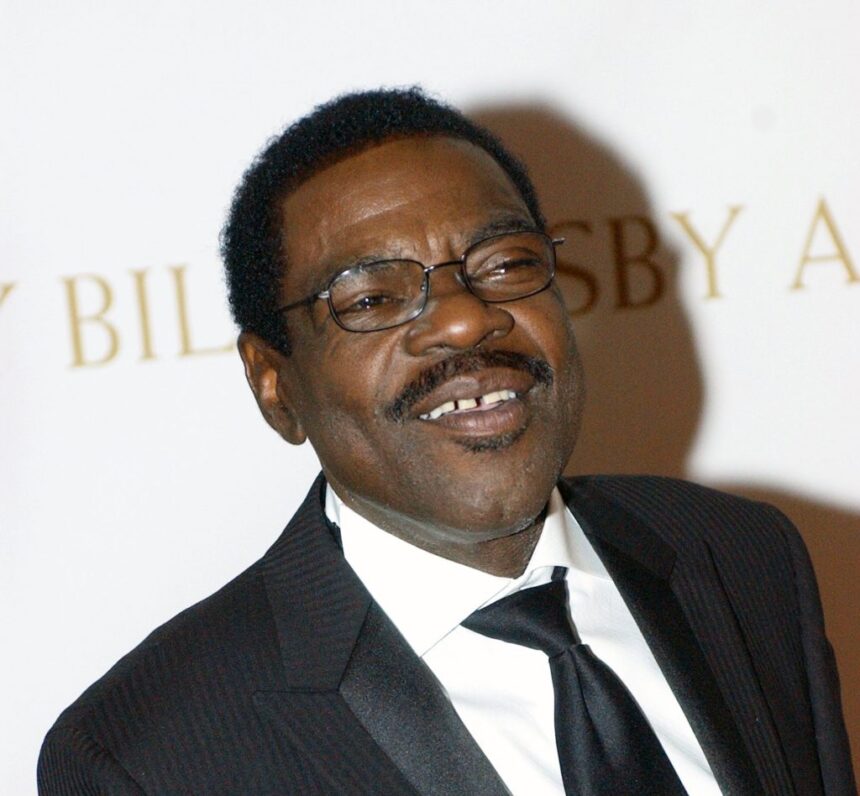
What emerges is a picture of someone who was deeply loved and never fully known. People who spent years around him describe him as an enigma. His famous gap-toothed smile — warm, infectious, present in almost every photograph and performance clip in the film — begins to read differently as the documentary progresses. That smile was real. It was also, by most accounts, a remarkably effective shield.
The silence at the center of his life
Preston grew up in a gospel world that was simultaneously filled with closeted gay men and fiercely homophobic preachers — a contradiction he lived inside for the rest of his life. His sexuality was an open secret in industry circles, but it operated under an unspoken agreement with the people around him: nobody asked and he did not tell. That agreement protected him from one kind of harm and produced another kind entirely.
His personal relationships reflected that isolation. A public romance in 1979 with his duet partner was reportedly more manufactured than genuine. Those closest to him describe a man who spent much of his adult life profoundly alone. His composition You Are So Beautiful — one of the most emotionally direct songs in the classic rock canon — was written not for a romantic partner but for his mother.
The film also addresses childhood abuse Preston suffered at the hands of an older colleague, trauma that many who knew him believe shaped his later struggles significantly. By the 1990s, crack cocaine and alcohol had taken hold. Legal troubles followed. He cycled through rehab and prison for much of the decade. In late 2005 he fell into a coma. He died the following July.
The lawsuit that tried to stop it
The documentary had to survive a legal challenge before reaching audiences. Ahead of its 2024 premiere at SXSW, fellow artist Sam Moore and others filed a complaint alleging the film amounted to a misleading posthumous outing that overshadowed Preston’s musical legacy. The director publicly characterized the legal challenge as an act of homophobia and censorship. The film prevailed and is now in select theaters through distributor Abramorama.
The lawsuit raised a question the documentary itself seems fully aware of: Preston is not here to speak for himself. It is a genuine tension, and the film does not pretend otherwise. What Barclay’s approach offers in response is care — using the words of people who loved Preston to reconstruct what a life in silence actually looked like, rather than sensationalizing it.
Why the film matters beyond the music
Preston spent his career moving between worlds — gospel and rock, Black American roots and the British Invasion, the sacred and the secular. He was a bridge between musical traditions and a witness to some of the most significant moments in popular music history. That legacy is intact and documented and extraordinary.
What the documentary adds is the human being behind it. A man who gave extraordinary things to the people around him and received, in return, a world that required him to keep the most essential parts of himself out of sight. The film’s title comes from one of his own compositions. It suggests, quietly, that the life he actually lived deserved considerably more grace than the one he was given.