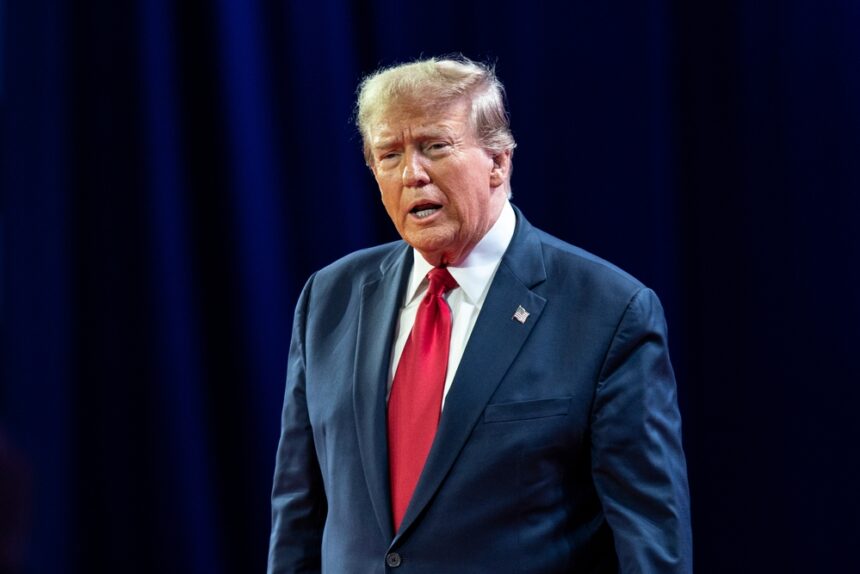
President Trump announced Friday that all 50 states, Washington D.C. and Puerto Rico will participate in a new Medicaid drug pricing program called the GENEROUS model, which aims to bring the cost of certain medications down to prices paid in other wealthy countries. Speaking from the Oval Office alongside Health and Human Services Secretary Robert F. Kennedy Jr. and CMS Administrator Mehmet Oz, Trump framed the announcement as a major win heading into the November midterms, though independent policy experts say the actual savings remain difficult to verify.
What did Trump actually announce?
Under the plan, more than two dozen pharmaceutical companies have agreed to sell drugs to state Medicaid programs at prices comparable to what peer nations pay, extending a Most Favored Nation pricing approach Trump first ordered through executive action last year. Medicaid patients already pay only nominal co-payments of a few dollars per prescription, so the direct benefit falls mainly on state budgets that fund the program rather than on what individual patients pay at the pharmacy counter.
How much money is this expected to save?
The figures vary depending on the source. The White House says the broader Most Favored Nation pricing effort across 26 drugmakers is projected to save Americans more than $600 billion overall, with the Medicaid specific portion accounting for close to $65 billion in savings over the next decade. Separately, the administration cited an earlier May estimate putting total savings from its pharmaceutical pricing deals at $529 billion over ten years. Trump himself said Friday that states would be free to redirect the savings toward other healthcare priorities or general budget needs.
💰 Trump: $64B+ Medicaid savings over 10 years — could hit $100B! America First delivers real results 🇺🇸 pic.twitter.com/KNELu1mQql
— John F Kennedy Jr (@JohnFKenned__jr) September 18, 2026
Why can’t experts verify the savings claims?
This is where the story gets complicated. Kathy Hempstead, a senior policy adviser at the Robert Wood Johnson Foundation, said the specific terms of the deals struck between the administration and participating drug companies have not been made public, which makes it difficult for outside researchers to independently confirm the projected numbers. She also raised a longer term question about durability, since nothing currently guarantees these lower prices would survive a change in administration, and pointed out that asking Congress to permanently codify arrangements nobody outside the deal has actually seen puts lawmakers in an awkward position.
What do critics say is missing?
Not everyone sees this as complete. JD Hayworth, a former Republican congressman now serving as a spokesperson for the Pharmaceutical Reform Alliance, described Friday’s announcement as meaningful progress that still leaves gaps, since millions of Americans outside government insurance programs are not covered by these specific deals. The timing also lands amid broader affordability concerns, particularly after Affordable Care Act subsidies were allowed to expire earlier this year, a change that pushed marketplace insurance costs higher for many people who don’t qualify for Medicaid at all.
What happens next?
For now, the administration is treating Friday’s announcement as a cornerstone of its midterm messaging on affordability, with Trump suggesting it alone could sway the November elections. Whether that framing holds up will likely depend on whether the underlying deal terms become public enough for independent economists to confirm the administration’s savings figures, something that has not happened yet.