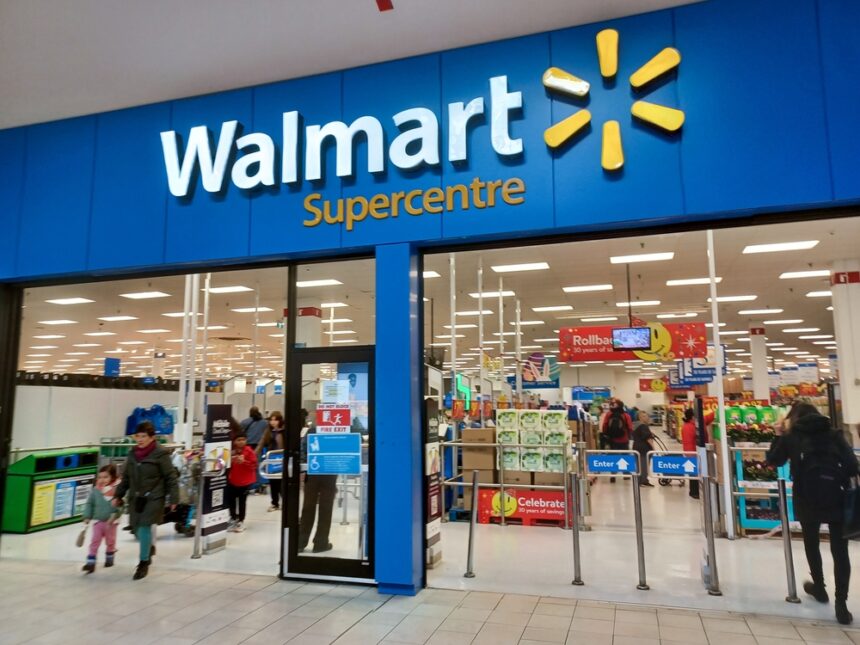
Walmart reported stronger than expected earnings before markets opened Today, posting adjusted earnings per share of 81 cents against a Wall Street estimate of 74 cents, with revenue climbing to $187.94 billion from $177.40 billion a year earlier. Despite that beat, shares slid roughly 6% in premarket trading. The gap between a solid headline number and a falling stock price comes down to one line item that mattered more to investors than everything else, comparable sales at Walmart’s U.S. stores grew just 2.6%, well short of the 3.8% Wall Street was looking for.
Did retail investors actually see this coming?
In a way, yes. Data from TipRanks tracked a wave of individual investors quietly exiting Walmart positions in the days leading up to the report, with portfolio holdings down nearly 2% over the prior month and sentiment on the platform rated very negative. Investors under 35 pulled back the hardest, cutting their Walmart holdings by 2.5% in just 30 days, even as professional financial bloggers on the same platform grew more bullish heading into the print. That split between everyday retail money quietly heading for the exits and Wall Street analysts staying optimistic turned out to foreshadow exactly the kind of mixed reaction the stock got this morning.
What is actually behind the sales slowdown?
Walmart CFO John David Rainey told CNBC the company continues to see consumers stretched thin, particularly by higher gas prices, even as spending overall held up better than some feared. Part of the softness also came from new pharmacy pricing regulations, which weighed on the health and wellness segment and shaved roughly a point off comparable sales that would have otherwise come in closer to expectations. Rainey said Walmart plans to use nearly $2.9 billion in tariff refunds, almost all of which it has now received, to keep prices lower for shoppers heading into the back half of the year, with that impact expected to show up in the third quarter.
What is still working for Walmart right now?
E-commerce remains the clearest bright spot, growing 23% globally, while global advertising revenue jumped 38% and membership fee income rose 17%. Walmart+ posted its strongest second quarter net adds on record, and Sam’s Club U.S. saw net sales climb nearly 9% as membership fees there also grew. The company said its market share gains are increasingly coming from higher income households, a trend Rainey linked to elevated inventory in pricier private label and branded goods.
What does this mean going forward?
Walmart raised its full year sales growth outlook to a range of 4% to 5%, up from 3.5% to 4.5%, and nudged its adjusted earnings guidance higher as well. But the company also flagged more than $2 billion in extra fuel related cost pressure for the year, a reminder that even a retailer built to win during tight consumer budgets is not immune to the same squeeze its shoppers are feeling. For a stock trading at a premium valuation, the market wanted proof that Walmart’s growth engine was accelerating rather than just holding steady, and Today’s numbers landed somewhere in between.