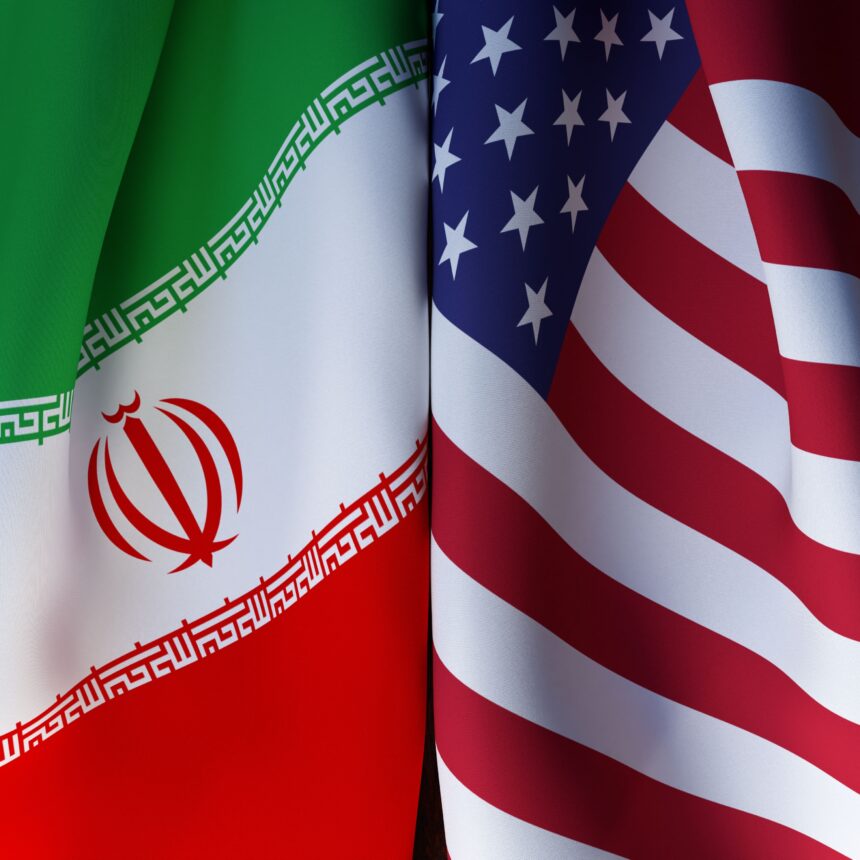
The United States conducted fresh military strikes in southern Iran this week, targeting missile launch sites and boats attempting to place naval mines near the Strait of Hormuz, even as diplomats on both sides described negotiations over a peace framework as actively underway. The dual track of military pressure and diplomatic engagement has come to define this conflict since major combat operations began in late February, and this week offered no deviation from that pattern.
US Central Command characterized the strikes as defensive, saying they were necessary to protect American forces from ongoing threats posed by Iranian military activity. The strikes were conducted near Bandar Abbas, the location of Iran’s primary naval base, and were described by American officials as limited in scope. Iran’s state media confirmed casualties among Iranian personnel without providing further detail.
Where the negotiations actually stand
Secretary of State Marco Rubio, speaking during a diplomatic visit to India, offered a measured assessment of where the talks are heading. He described the potential agreement as a work in progress and said resolving the remaining points of contention would likely take a few more days. His framing was cautious but not pessimistic. He indicated that the core elements of a framework addressing the Strait of Hormuz and opening a time-limited negotiation on nuclear matters were taking shape, but stopped well short of declaring a deal imminent.
Iran’s Foreign Ministry offered a similar reading from its side of the table. A senior spokesman told reporters that the two parties had reached agreement on a significant portion of the issues under discussion, but cautioned that the process was not finished and that the US side had shown inconsistency in its positions, shifting between different and sometimes contradictory stances within short windows of time. The management of the Strait of Hormuz, he said, remained unresolved and would need to involve the other coastal states of the waterway.
The uranium question shifts slightly
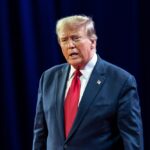
One notable development this week involved Trump’s public position on Iran’s enriched uranium stockpile. The president had previously insisted that the material be physically handed over to the United States, a demand that had functioned as a significant sticking point in the talks. He appeared to soften that position, indicating that destruction of the uranium inside Iran or at another agreed location, under international oversight, would be acceptable. The shift, if it holds, could reduce one of the more intractable barriers to a preliminary agreement.
Trump also addressed critics within his own party who have raised concerns that any emerging deal would be too lenient toward Tehran. He insisted his approach bore no resemblance to the 2015 nuclear agreement negotiated under the Obama administration, which he described as a direct pathway to Iranian nuclear capability. He argued that his critics lacked full knowledge of what was actually being discussed at the negotiating table.
Lebanon remains a separate and complicated front
The conflict’s Lebanese dimension continued to complicate the broader picture. Israeli Prime Minister Benjamin Netanyahu announced plans to intensify military operations against Hezbollah, even as a ceasefire framework between Israel and Lebanon nominally remained in place. Israeli forces struck more than 70 Hezbollah infrastructure sites across Lebanon during the same period that peace talks with Iran were underway.
Iran has made an end to hostilities against Hezbollah a condition of any final agreement with Washington. Rubio acknowledged the Lebanon track was being handled separately from the main Iran negotiations and that the fundamental challenge was not the Lebanese government but the continued armed presence of Hezbollah itself. He maintained that Israel retained the right to defend itself and prevent attacks launched from Lebanese territory.
On Memorial Day, Trump honored the 13 American service members killed during the conflict, which the administration named Operation Epic Fury. Seven died in Iranian retaliatory strikes across the region in the opening phase of the war. Six Air Force airmen were lost when a refueling aircraft crashed in western Iraq. The president framed their sacrifice as essential to preventing Iran from ever acquiring a nuclear weapon.