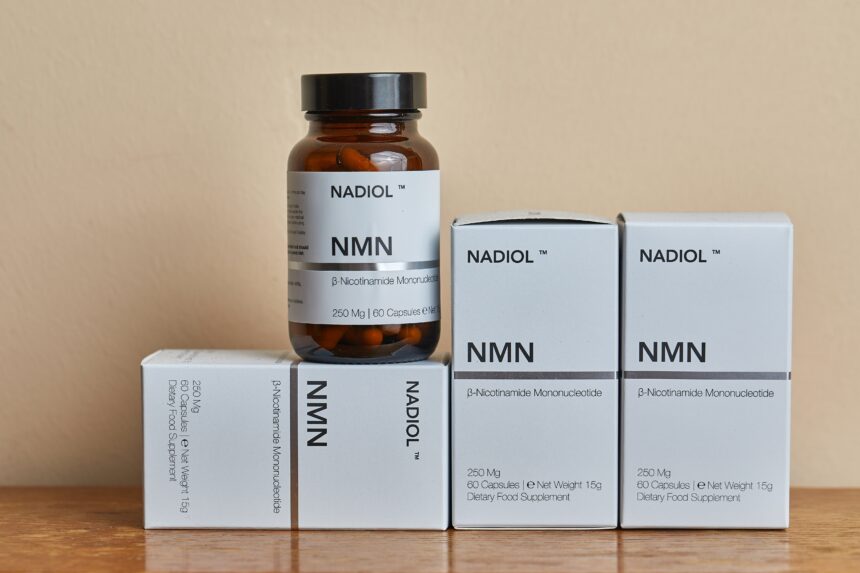
Anti-aging supplements are having a significant cultural moment, and the latest to capture widespread attention is nicotinamide mononucleotide, better known as NMN. The compound has moved quickly from niche longevity research into mainstream wellness conversations, propelled in large part by high-profile celebrity endorsements. Kim Kardashian has publicly shared that she has been taking NMN supplements for the past year, while other prominent figures have spoken enthusiastically about NAD+ infusion therapy as a regular part of their health routines.
On social media, NMN is being positioned as a tool for aging in reverse, a claim that sounds compelling but deserves considerably more scrutiny than it typically receives in a 30-second video. The science behind it is real, genuinely interesting, and still very much in progress.
What NAD+ actually does in the body
To understand NMN, you first need to understand NAD+, the molecule it is designed to support. Nicotinamide adenine dinucleotide is a coenzyme found in every living cell, where it plays a foundational role in converting food into usable energy, repairing damaged DNA, and supporting the kind of cellular function that keeps the body running efficiently over time.
One of the more significant and well-documented aspects of NAD+ is that its levels decline naturally with age. This decline is associated with lower energy, slower physical recovery, and a reduced ability to manage biological stress at the cellular level. Researchers and clinicians working in the longevity space have come to see NAD+ as a central target precisely because it sits at the intersection of so many processes that deteriorate as we get older.
Why NMN is getting so much attention
The body produces NAD+ through several pathways, and vitamin B3, found in foods like poultry, fish, and whole grains, serves as the primary dietary building block. Logically, one might assume that simply increasing B3 intake would be an easy fix for declining NAD+ levels. In practice, pushing B3 doses to therapeutically meaningful levels tends to produce uncomfortable side effects including flushing, nausea, and gastrointestinal distress, making it an impractical strategy for most people.
Direct NAD+ injections and intravenous infusions are available through some wellness clinics and do bypass these issues, but they come with significant costs in both time and money. NMN has attracted attention because it functions as a direct precursor to NAD+, meaning it requires only a single conversion step before it becomes usable by the body. Supplements, typically sold as capsules or powders, are framed as a more accessible and affordable shortcut to the same destination.
The scientific rationale behind this shortcut is grounded in real cellular biology. The interest is not unfounded. The problem is that interest and evidence are not the same thing.
What the research actually shows
Much of the excitement around NMN originates from animal studies, where the compound has demonstrated meaningful effects on NAD+ levels as well as improvements in metabolism, muscle function, insulin sensitivity, and markers of inflammation in mice. Those findings were enough to generate serious research attention and fuel the commercial supplement market that followed.
Human studies, however, have produced more modest results. The existing clinical data does show that NMN supplementation can raise NAD+ levels in people, and there are some early signals suggesting potential benefits for insulin sensitivity and muscle function. But the body of human evidence is limited in both scale and duration, and no study has yet demonstrated that taking NMN produces meaningful anti-aging outcomes in people over any sustained period.
Adding to the complexity is the regulatory environment surrounding dietary supplements. Unlike prescription drugs, supplements are not required to demonstrate clinical effectiveness in humans before reaching store shelves. There is also no mandatory independent verification that what is listed on a product label is actually present in the amounts claimed. For anyone considering NMN, seeking out products that have been tested and certified by reputable third-party verification programs is an important step that many consumers skip.
There are more promising developments on the pharmaceutical side, where crystalline forms of NMN are currently moving through clinical trials for conditions including Alzheimer’s disease, chronic kidney disease, and age-related muscle decline. Those trials, if successful, will eventually produce the kind of controlled, large-scale human data that the supplement market currently lacks.
Is NMN worth trying?
The honest answer depends heavily on what someone is hoping to achieve and how they weigh early-stage evidence against cost and convenience. NMN is not a fraud. The biological mechanisms it targets are legitimate areas of aging research, and the scientific community takes the NAD+ pathway seriously. But the leap from promising preclinical data to a supplement that reverses aging in humans is a long one, and that leap has not yet been made.
Experts in the field generally recommend approaching NMN with realistic expectations, paying close attention to supplement quality, and situating it within a broader health strategy rather than treating it as a standalone solution. The fundamentals of healthy aging, consistent physical activity, adequate and restorative sleep, and a nutrient-dense diet, remain the most evidence-backed tools available. Any supplement worth taking should be supporting those habits, not substituting for them.