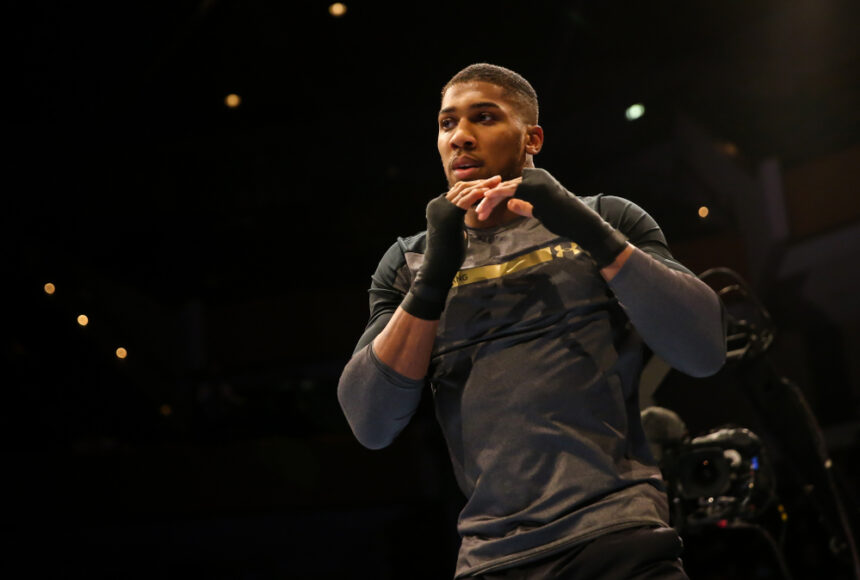
The heavyweight champion is taking time to process the tragedy while preparing for a late-summer return that no longer includes Tyson Fury in the immediate timeline
Anthony Joshua’s boxing return is starting to take shape, but the journey back is complicated by grief and recovery that extends far beyond physical training. Promoter Eddie Hearn revealed Thursday that Joshua is expected to return to camp “in the next couple of weeks or a month” and could fight sometime in July, with late summer as a more realistic target. The original plan Joshua fighting in March, then facing Tyson Fury in August is completely off the table. That was always a contingent plan dependent on Joshua being mentally and emotionally ready to return to boxing after the December car crash in Nigeria that killed two of his closest friends, Sina Ghami and Latif “Latz” Ayodele. Joshua survived the crash without major physical injuries, but the psychological weight of losing his brothers in that moment fundamentally changed everything about his boxing future.
- The heavyweight champion is taking time to process the tragedy while preparing for a late-summer return that no longer includes Tyson Fury in the immediate timeline
- What’s genuinely striking about Joshua’s approach is the honesty about his emotional state
- Hearn’s revised timeline suggests late summer or early 2027 for the Fury fight
- Joshua himself has already spoken about the spiritual and emotional dimensions of his return
- The July target is possible but not certain, which is the right approach
What’s genuinely striking about Joshua’s approach is the honesty about his emotional state
He’s not forcing a rapid return. He’s not trying to prove anything through a quick comeback. Instead, he’s taking time to process the tragedy while slowly working toward a return to boxing. That maturity is admirable and necessary. The sport doesn’t require Joshua to rush back. His legacy is secure. What matters now is that he comes back when he’s genuinely ready, not when promoters or the sport demands it.
Hearn’s revised timeline suggests late summer or early 2027 for the Fury fight
That’s a significant delay from the August target, but it’s realistic given the circumstances. “I think every fight is dangerous, coming off what he’s come off,” Hearn said, acknowledging that Joshua returning to boxing so soon after such tragedy requires extra caution. The Fury fight can wait. There’s no urgency. What matters is Joshua returning to the ring when his head and heart are ready, not just his body.
Joshua himself has already spoken about the spiritual and emotional dimensions of his return
Last month, he thanked people for their well-wishes and vowed to fulfill the dreams of his “brothers.” “What my goal is, is to continue to help them achieve their goals. Even though they may not be here in the physical, when I pray, I know spiritually they’re going to aid me through,” Joshua said. That’s not athlete clichés. That’s someone processing genuine loss and finding meaning through continuing the lives and dreams his friends didn’t get to finish.
What he is essentially saying is that his comeback will be about more than just boxing success. It will be about honoring his friends’ legacies. It will be about spiritual strength as much as physical dominance. That’s a fundamentally different motivation than typical championship narratives. Joshua isn’t just fighting to reclaim glory. He’s fighting to carry forward the dreams of people he loved.
The July target is possible but not certain, which is the right approach
Hearn is planning, but he’s explicitly acknowledging that timing depends on his readiness. “We’re open to the Fury fight but probably more likely [near the] end of the year, maybe early 2027,” Hearn said. That flexibility protects Joshua from self-imposed timelines that don’t account for grief and recovery.
For Joshua, the comeback narrative isn’t about defeating Tyson Fury or reclaiming titles.It’s about returning to a sport he loves while honoring the friends he lost. That’s a more meaningful narrative than championship belts. It’s about healing through the thing he loves most while carrying forward the legacies of Ghami and Ayodele. That’s what makes the comeback actually matter.
Sometimes the strongest comeback stories aren’t about winning. They’re about processing loss and moving forward with purpose.